Mount Rainier National Park
Discover Mount Rainier National Park
Overview
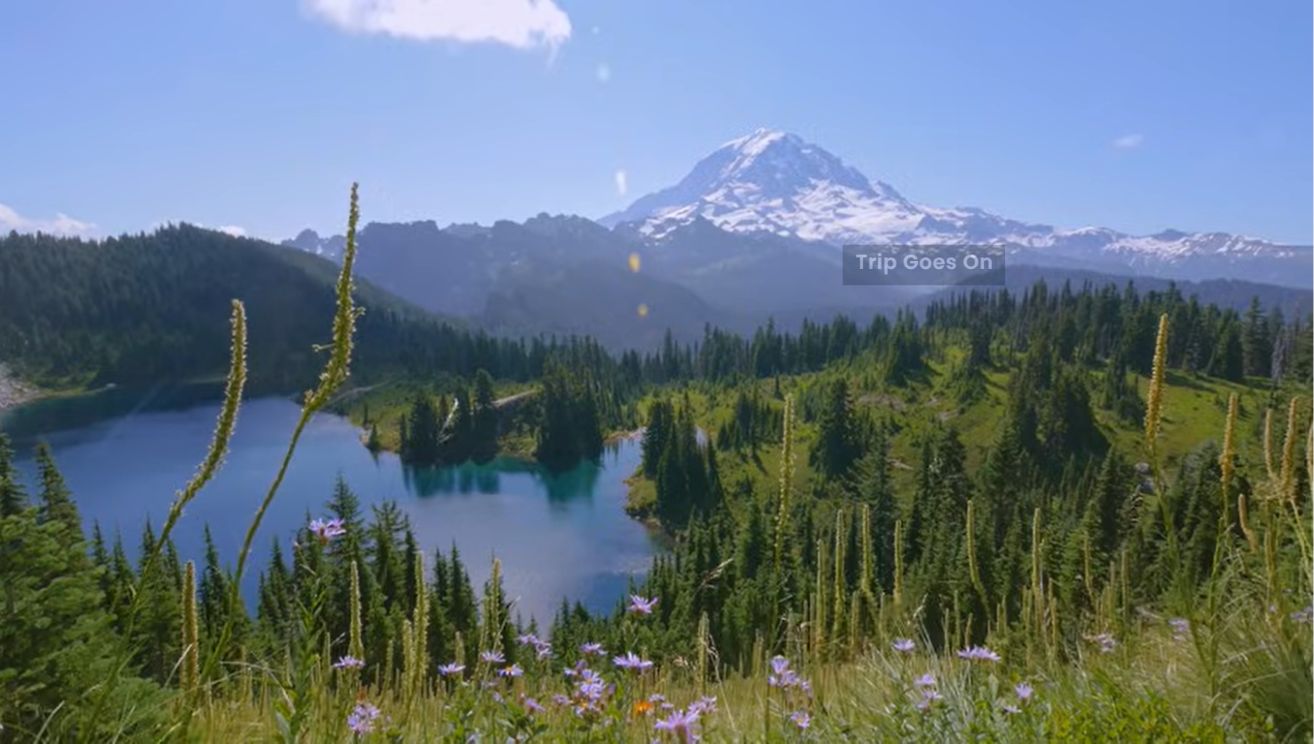
Mount Rainier National Park, located in the state of Washington, is a breathtaking natural wonder that captivates visitors with its majestic landscapes and diverse ecosystems. Renowned for its iconic stratovolcano, Mount Rainier, which stands at 14,411 feet, the park offers a unique blend of adventure, tranquility, and stunning scenery. It is a haven for outdoor enthusiasts, families, and anyone seeking to connect with nature.
History and Significance
Established in 1899, Mount Rainier National Park is the fifth national park in the United States. The park's rich history is intertwined with the indigenous peoples of the region, including the Puyallup Tribe, who have revered the mountain as a sacred place for centuries. In the late 19th century, the allure of Mount Rainier attracted early explorers and settlers, leading to its designation as a national park to preserve its natural beauty and cultural significance.
Natural Features
Mount Rainier is not just a mountain; it is a living ecosystem that boasts an array of natural features:
- Glaciers: The park is home to over 25 glaciers, including the impressive Emmons Glacier, the largest glacier in the contiguous United States.
- Wildflowers: In the summer months, the park transforms into a vibrant tapestry of wildflowers, with fields of lupine, paintbrush, and avalanche lilies adorning the meadows.
- Forests: Towering old-growth forests of Douglas fir, western red cedar, and Sitka spruce create a lush environment that supports diverse wildlife.
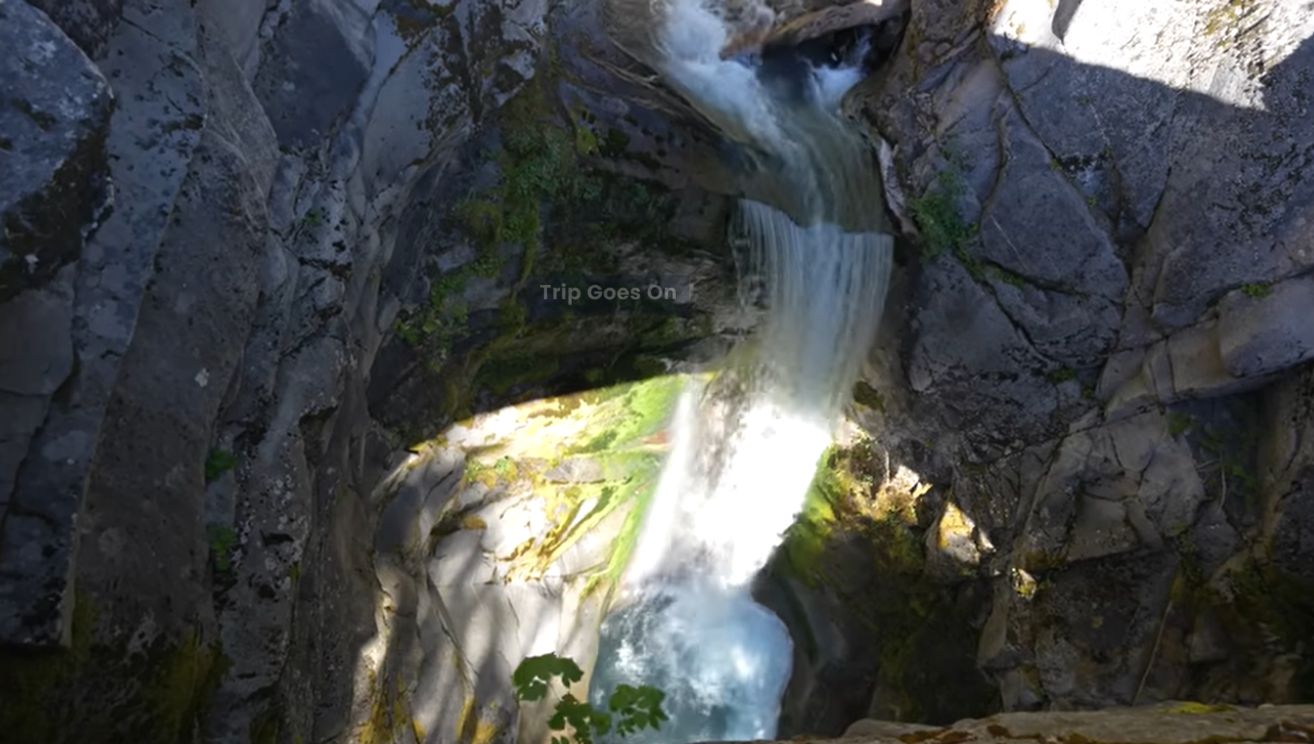
- Waterfalls: The park features stunning waterfalls, such as Myrtle Falls and Christine Falls, which offer picturesque views and excellent photography opportunities.
Visitor Highlights
Mount Rainier National Park offers a plethora of activities and highlights that cater to all types of visitors:
- Hiking: With over 260 miles of trails, hikers can explore everything from easy strolls to challenging backcountry routes. The Paradise area is particularly famous for its stunning views and wildflower-filled meadows.
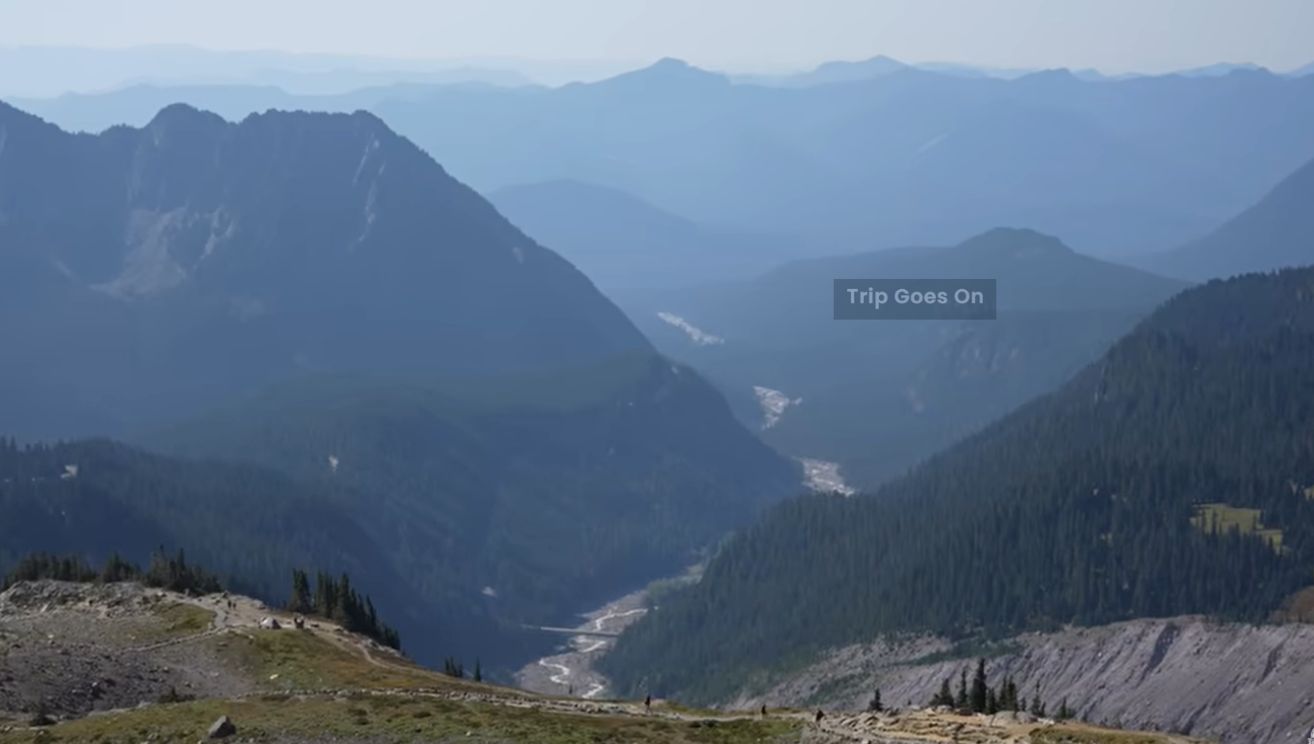
- Scenic Drives: The Sunrise Road leads to one of the highest points accessible by vehicle, providing breathtaking panoramic views of the mountain and surrounding valleys.
- Wildlife Viewing: Keep an eye out for black bears, elk, deer, and numerous bird species as you explore the park. Early mornings or late evenings are the best times for wildlife sightings.
- Photography: The park's stunning landscapes provide endless opportunities for photographers. Sunrise and sunset are particularly magical times to capture the mountain's beauty.
Cultural Importance
The cultural significance of Mount Rainier extends beyond its natural beauty. The mountain holds spiritual value for the indigenous tribes of the region, who view it as a protector and a source of life. The park also serves as a reminder of the importance of conservation and the need to protect natural spaces for future generations. Educational programs within the park aim to share the history and cultural heritage of the area, fostering a deeper understanding of the land and its significance.
Best Time to Visit
The ideal time to visit Mount Rainier National Park largely depends on the activities you wish to pursue:
- Summer (June to September): This is the most popular time to visit, as the weather is warm and the trails are generally snow-free. Wildflower blooms peak in July and August, offering spectacular views.
- Fall (October): Autumn brings stunning foliage as the leaves change color. The crowds thin out, providing a more serene experience.
- Winter (November to March): For snow sports enthusiasts, winter offers opportunities for snowshoeing, cross-country skiing, and winter photography.
- Spring (April to May): As the snow melts, the park begins to awaken with wildflowers and wildlife. Some trails may still be closed due to snow, but the scenery is beautiful.
Travel Tips
To make the most of your visit to Mount Rainier National Park, consider the following tips:
- Plan Ahead: Check trail conditions, road closures, and weather forecasts before your visit. The park's website provides up-to-date information.
- Pack Accordingly: Dress in layers, as temperatures can vary significantly. Bring plenty of water, snacks, and a first aid kit for hikes.
- Leave No Trace: Follow the principles of Leave No Trace to minimize your impact on the environment. Stay on designated trails and pack out all trash.
- Respect Wildlife: Observe wildlife from a distance and never feed animals. This helps keep both visitors and wildlife safe.
Conclusion
Mount Rainier National Park is a treasure trove of natural beauty, cultural heritage, and outdoor adventure. Whether you're hiking through wildflower meadows, gazing at glaciers, or simply soaking in the breathtaking views, the park offers an unforgettable experience that resonates with visitors long after they leave. Plan your visit to this iconic national park and immerse yourself in the awe-inspiring splendor of Mount Rainier.