Tongass National Forest
Tongass National Forest: A Wilderness Wonderland in Ketchikan, Alaska
Overview
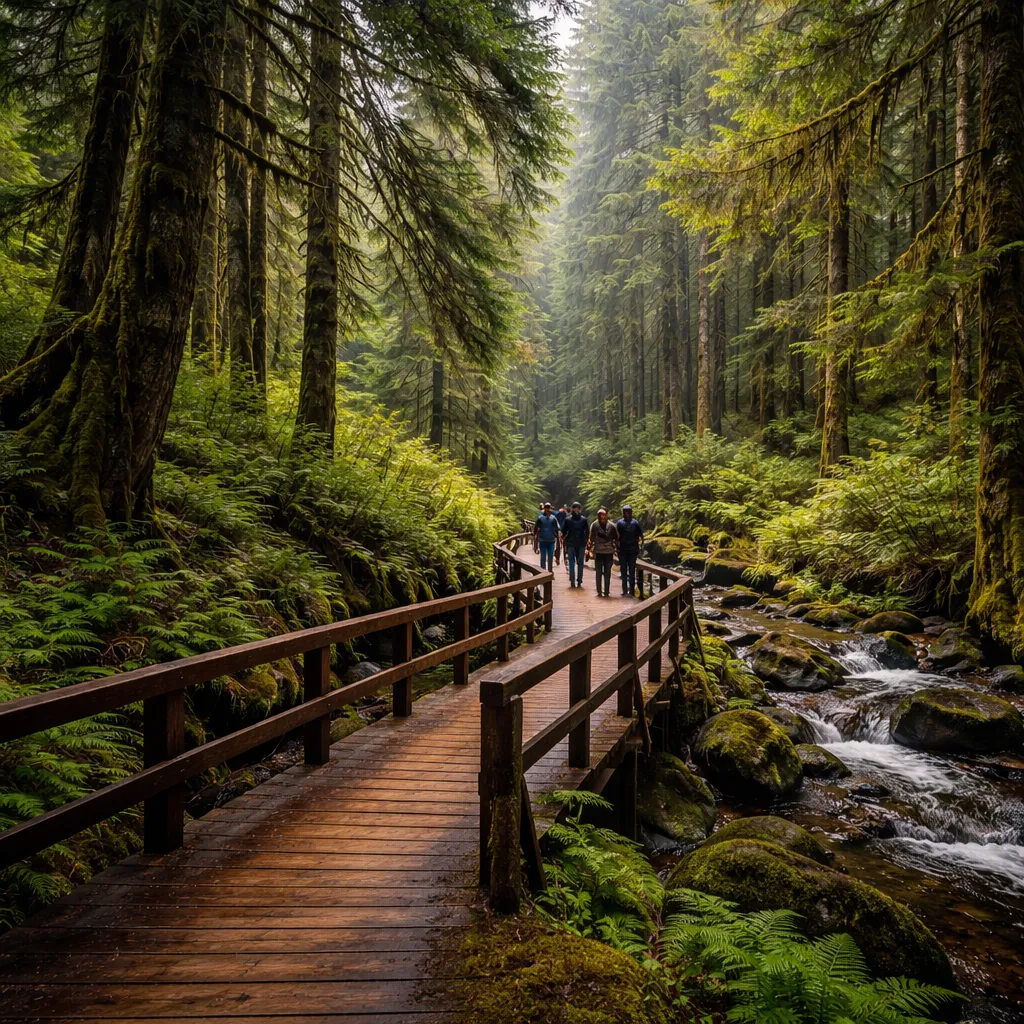
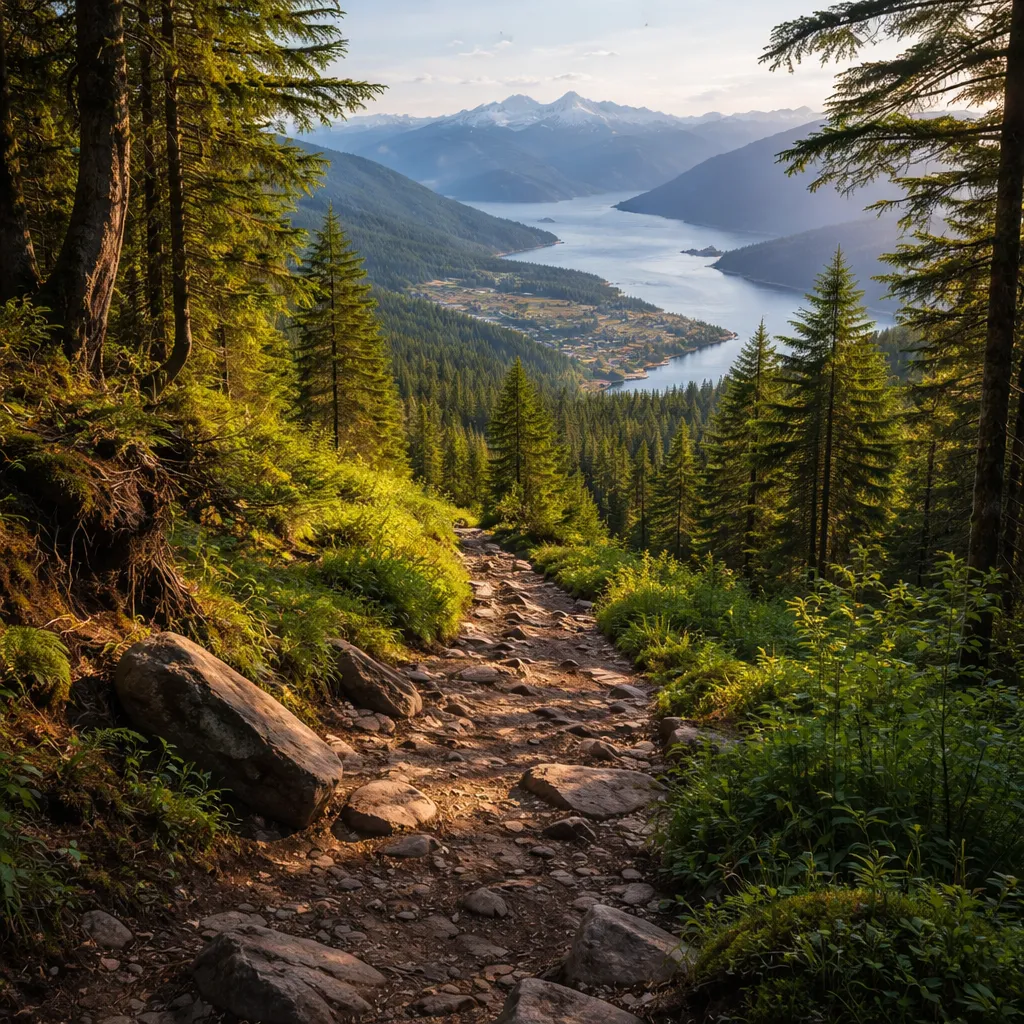
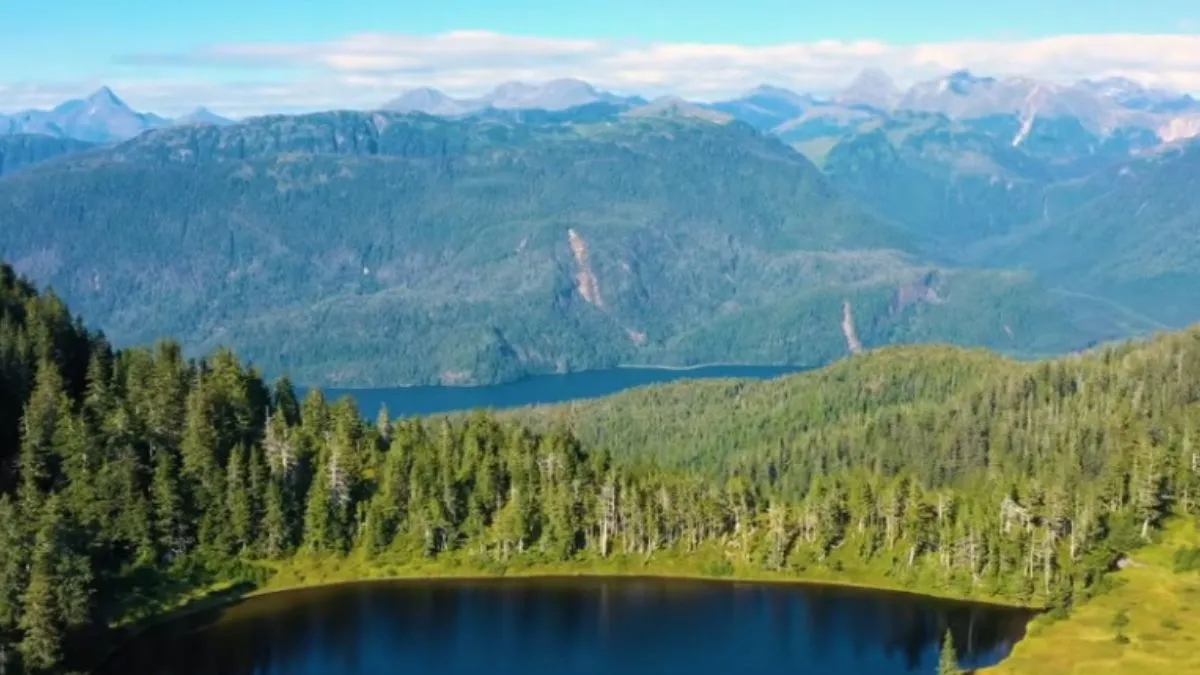
Tongass National Forest, located in the southeastern region of Alaska, is the largest national forest in the United States, encompassing over 16.7 million acres of pristine wilderness. This breathtaking expanse of temperate rainforest is characterized by towering spruce and hemlock trees, stunning fjords, and a rich tapestry of wildlife. It serves as a vital ecological area and a recreational haven for visitors seeking adventure and tranquility in nature.
History and Significance
The history of Tongass National Forest is as rich as its biodiversity. Established in 1902, it was initially designated as a reserve to protect the unique ecosystems of the region. The forest is home to numerous Native American tribes, including the Tlingit, Haida, and Tsimshian, who have lived in harmony with the land for thousands of years. Their cultural practices and deep spiritual connections to the forest continue to influence the region today.
The forest's significance extends beyond its historical roots; it plays a crucial role in carbon sequestration, helping to combat climate change. The lush vegetation and diverse ecosystems contribute to the overall health of the planet, making Tongass a vital area for conservation efforts.
Natural Features and Architecture
Tongass National Forest is renowned for its diverse landscapes, which include rugged mountains, deep fjords, and glacially-carved valleys. The forest's architecture is defined by its towering trees, some of which are over 800 years old, and its rich undergrowth of ferns, mosses, and wildflowers. The forest is also home to over 400 species of wildlife, including brown bears, black bears, wolves, and a variety of migratory birds.
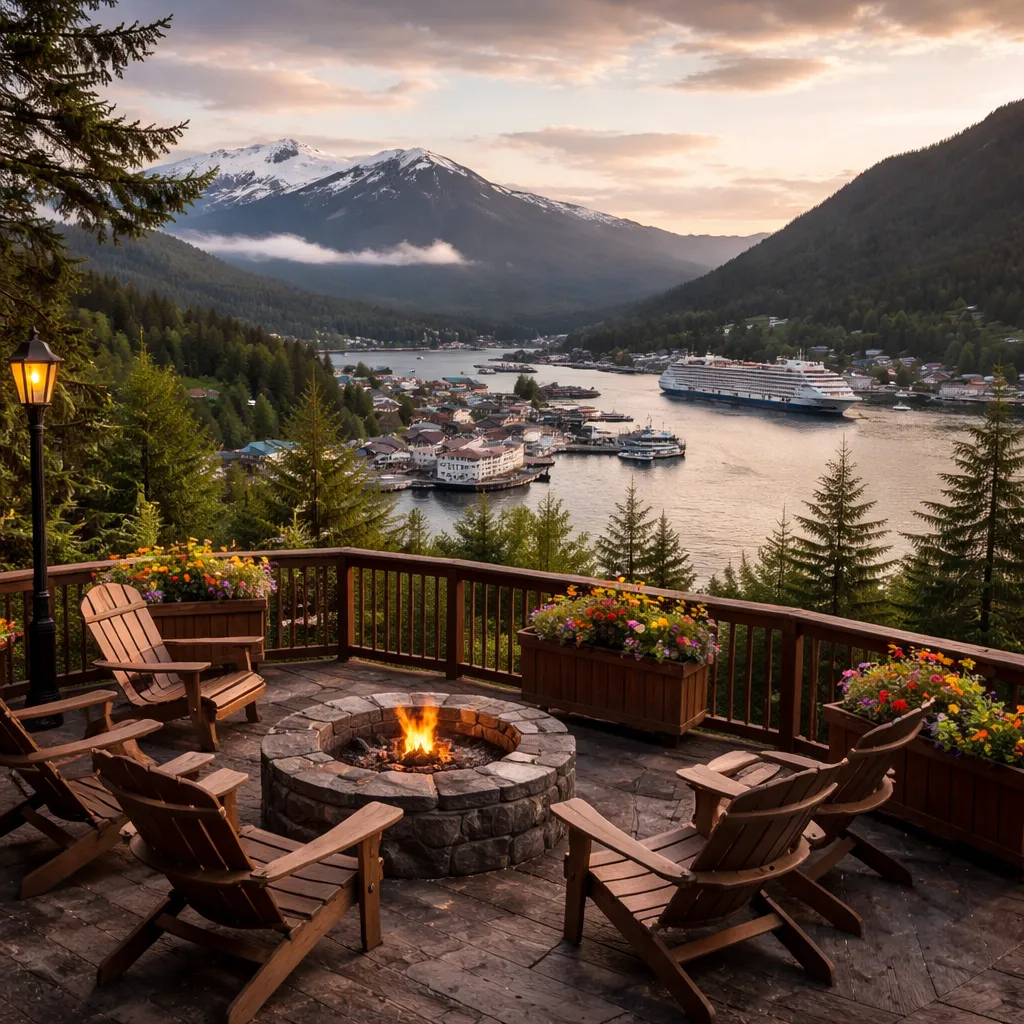
Visitors to Tongass can explore its unique geological features, such as the stunning Misty Fjords National Monument, which boasts dramatic cliffs and cascading waterfalls. The fjords, carved by ancient glaciers, create a breathtaking backdrop for outdoor activities and wildlife viewing.
Visitor Highlights
- Hiking Trails: The forest offers an extensive network of trails, ranging from easy walks to challenging backcountry hikes. Popular trails include the Rainbird Trail and the Deer Mountain Trail, both offering stunning views of the surrounding landscapes.
- Wildlife Viewing: With its abundant wildlife, Tongass is a prime location for spotting bears, eagles, and seals. Guided tours are available for those looking to learn more about the ecosystem.
- Fishing and Boating: The forest is surrounded by pristine waters, making it an excellent destination for fishing, kayaking, and boating. Anglers can enjoy catching salmon, halibut, and other local fish species.
- Cultural Experiences: Engage with the rich indigenous culture through guided tours that highlight the traditions and histories of the Tlingit and Haida peoples.
Cultural Importance
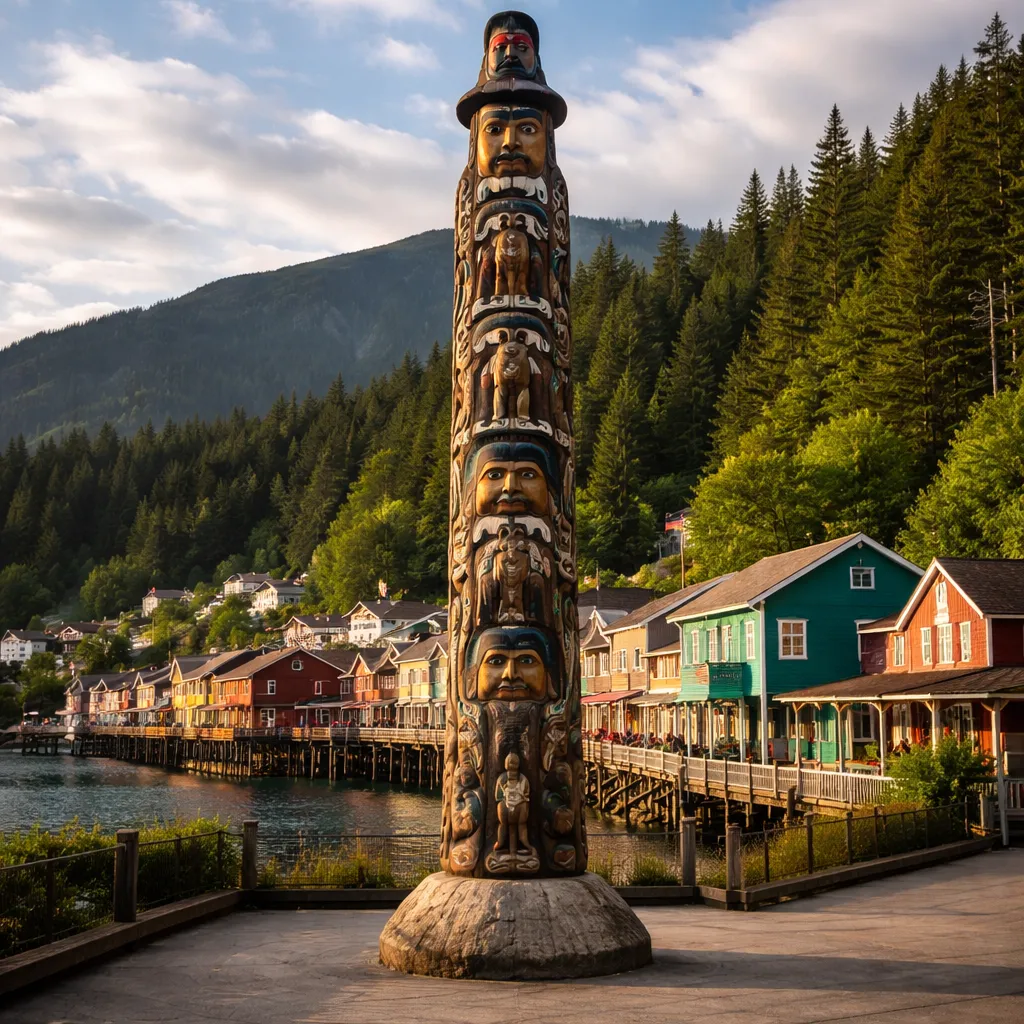
The cultural significance of Tongass National Forest cannot be overstated. It is a living testament to the traditions and lifestyles of the indigenous tribes who have inhabited the region for millennia. Visitors can learn about the intricate art of totem carving, traditional fishing techniques, and the spiritual connections that the indigenous peoples have with the land.
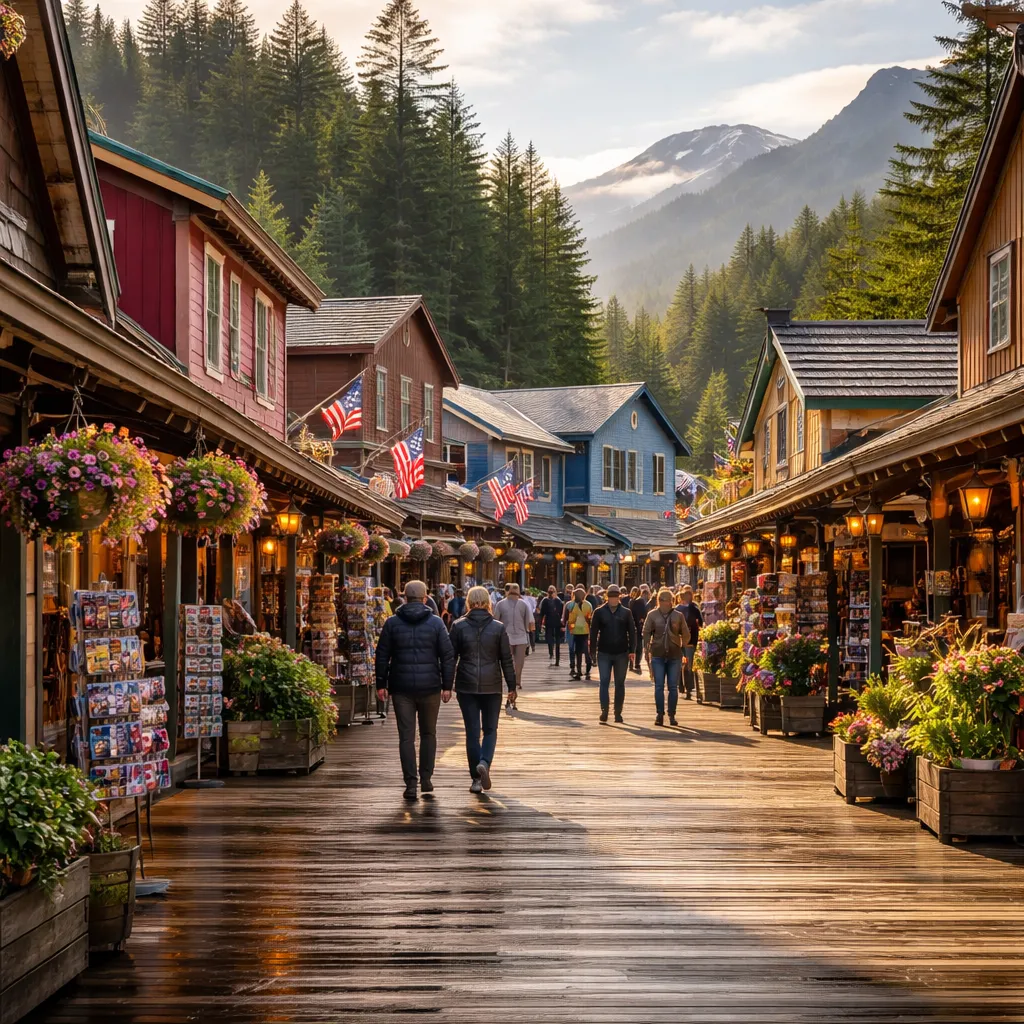
Throughout the year, various festivals and events celebrate the heritage of the local tribes, providing visitors with an opportunity to immerse themselves in the vibrant culture and community of Southeast Alaska.
Best Time to Visit
The best time to visit Tongass National Forest is during the summer months, from June to September. During this period, the weather is generally mild, with temperatures ranging from 50°F to 70°F (10°C to 21°C). This is also the prime season for wildlife viewing, as animals are more active and visible. Fall offers stunning foliage, while winter transforms the forest into a snowy wonderland, perfect for winter sports enthusiasts.
Travel Tips
- Plan Ahead: Given the vastness of the forest, it’s advisable to plan your itinerary in advance. Research trails, campsites, and activities to make the most of your visit.
- Pack Accordingly: Dress in layers and bring waterproof gear, as weather conditions can change rapidly. Sturdy hiking boots are essential for navigating the trails.
- Respect Wildlife: Maintain a safe distance from all wildlife and follow local guidelines to ensure both your safety and the well-being of the animals.
- Leave No Trace: Follow Leave No Trace principles to preserve the natural beauty of Tongass National Forest for future generations.
Conclusion
Tongass National Forest is a treasure trove of natural beauty, cultural heritage, and outdoor adventure. Whether you’re hiking through ancient forests, exploring stunning fjords, or learning about the rich traditions of the indigenous peoples, a visit to Tongass is an unforgettable experience. Embrace the wilderness, discover the history, and connect with the vibrant culture of this remarkable Alaskan gem.