Kodiak National Wildlife Refuge
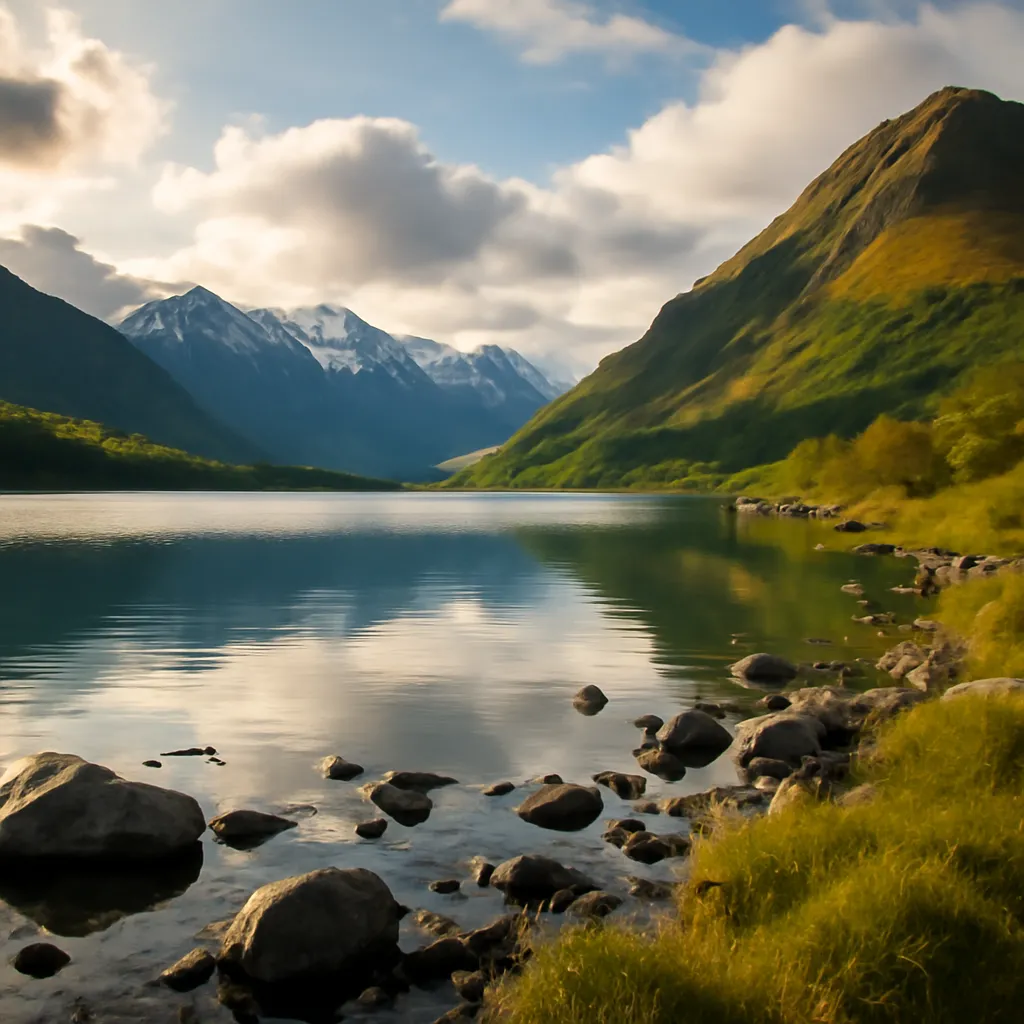
Kodiak National Wildlife Refuge
Overview
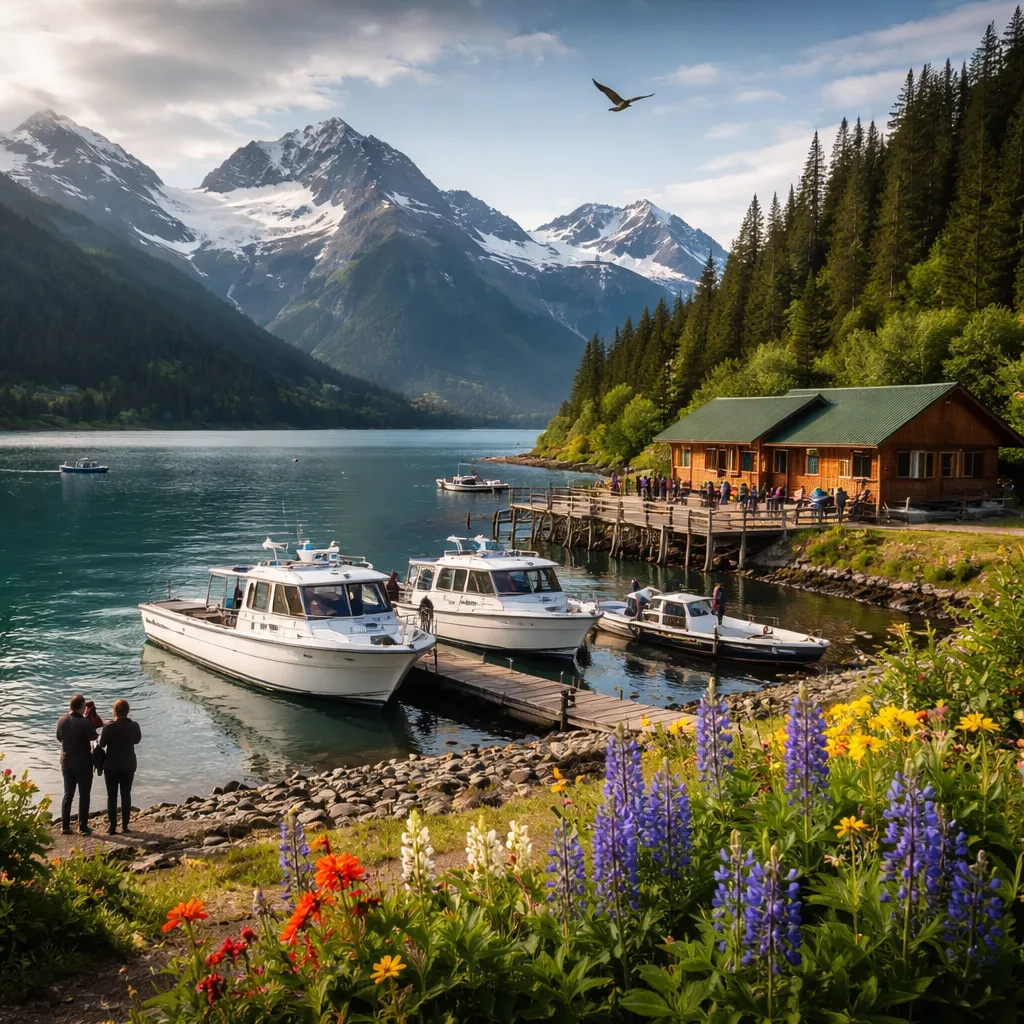
Spanning over 1.9 million acres on Kodiak Island in Alaska, the Kodiak National Wildlife Refuge is a sanctuary for a diverse array of wildlife and a testament to the breathtaking beauty of the Alaskan wilderness. Established in 1941, this refuge is primarily dedicated to the preservation of the Kodiak brown bear, but it also serves as a critical habitat for numerous species of birds, marine life, and other terrestrial animals. The refuge is a paradise for nature enthusiasts, photographers, and those seeking solitude in one of the most pristine environments in the United States.
History and Significance
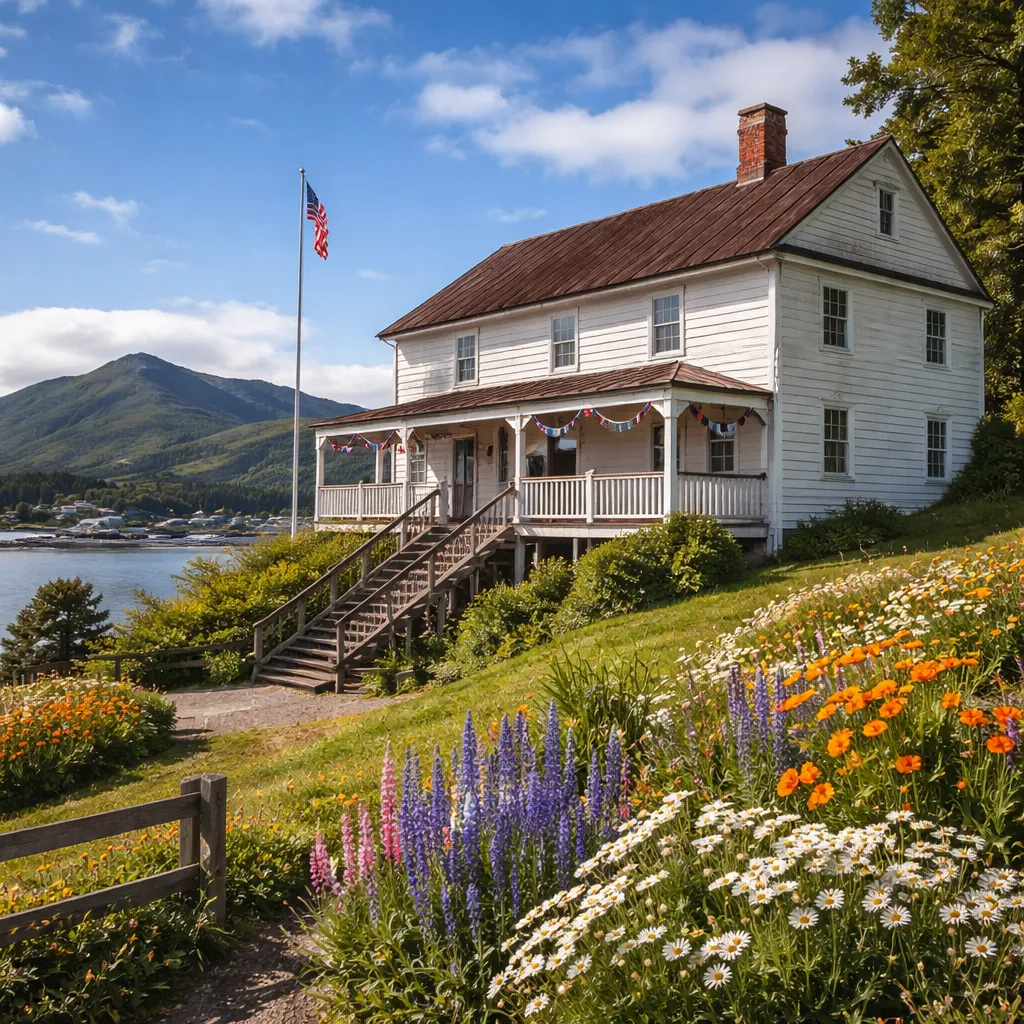
The history of Kodiak National Wildlife Refuge is intertwined with the rich cultural heritage of the indigenous Alutiiq people, who have inhabited the Kodiak Archipelago for thousands of years. The refuge was established to protect the habitat of the Kodiak brown bear, which is one of the largest bear species in the world. In the early 20th century, the population of these magnificent creatures faced significant threats from hunting and habitat loss. The creation of the refuge marked a pivotal moment in wildlife conservation efforts, aiming to restore and maintain the delicate balance of the ecosystem.
Natural Features
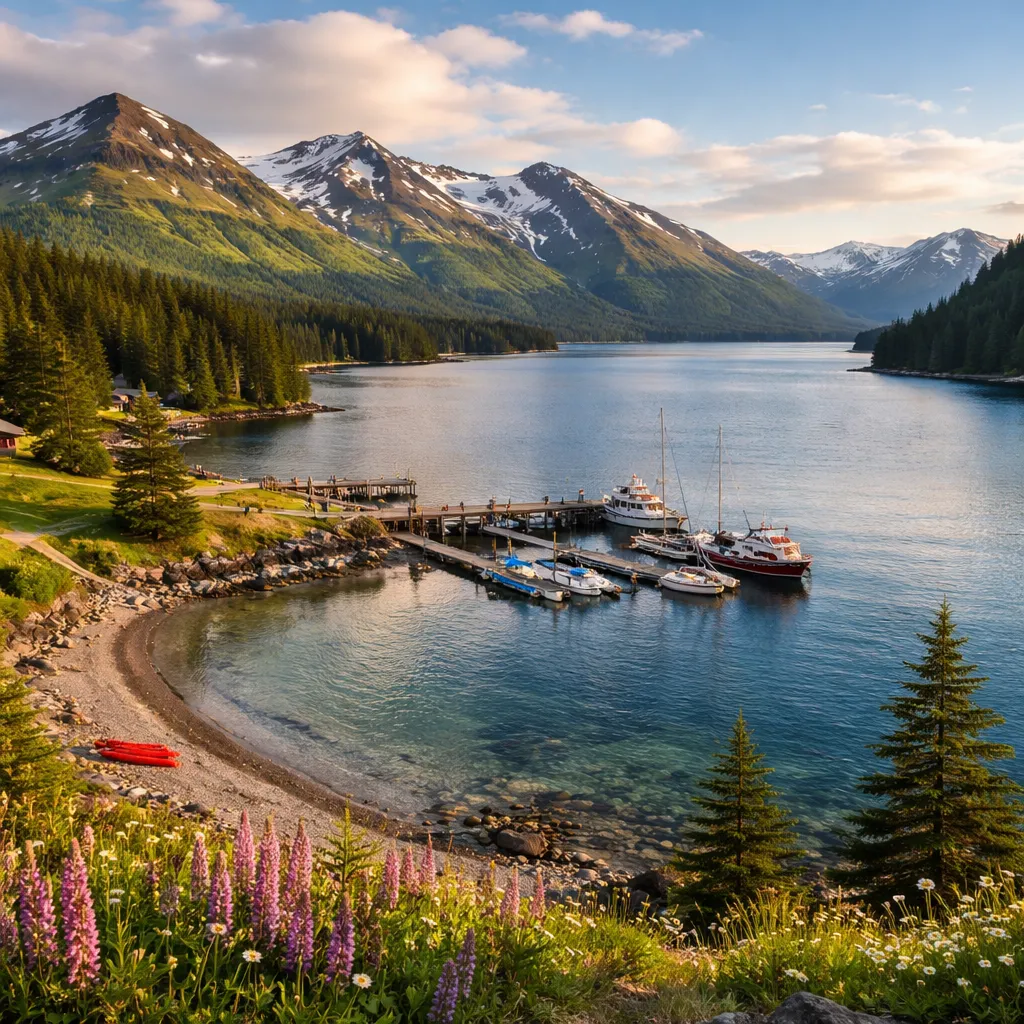
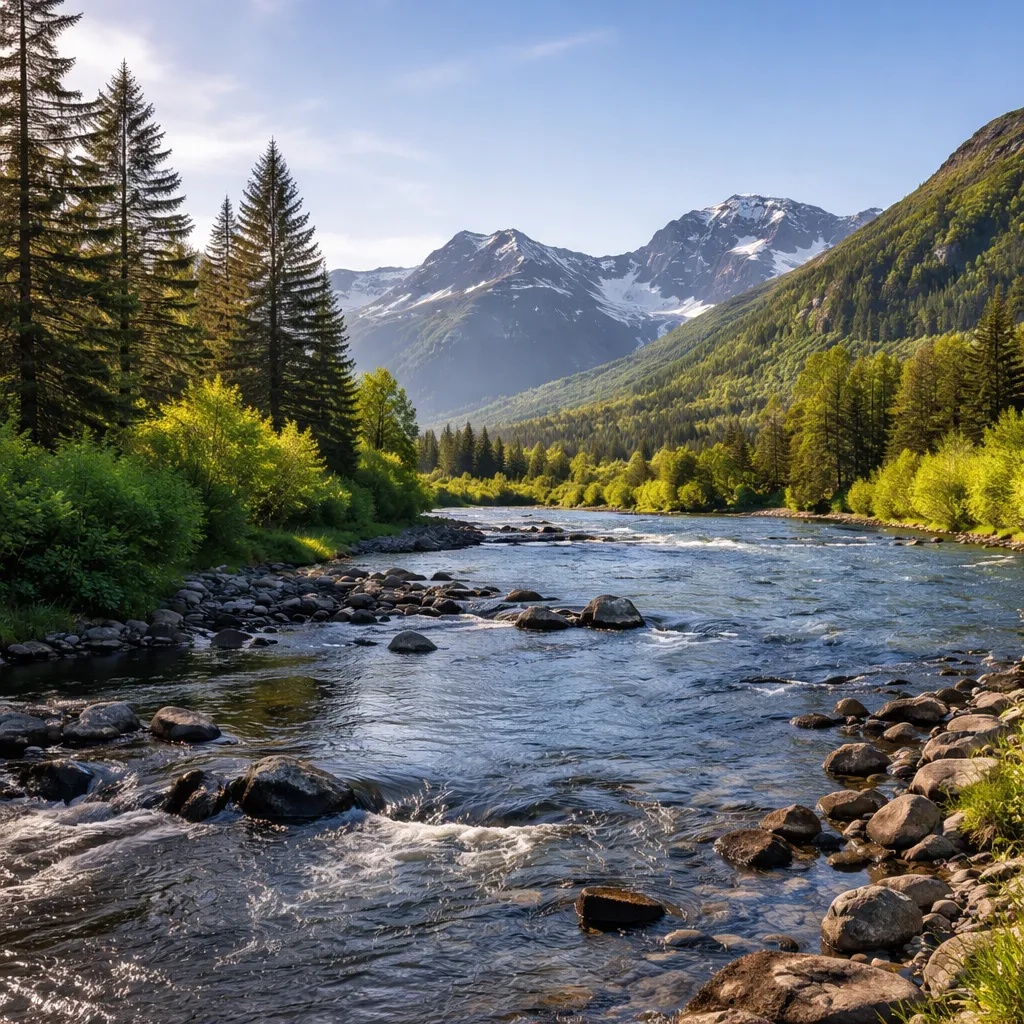
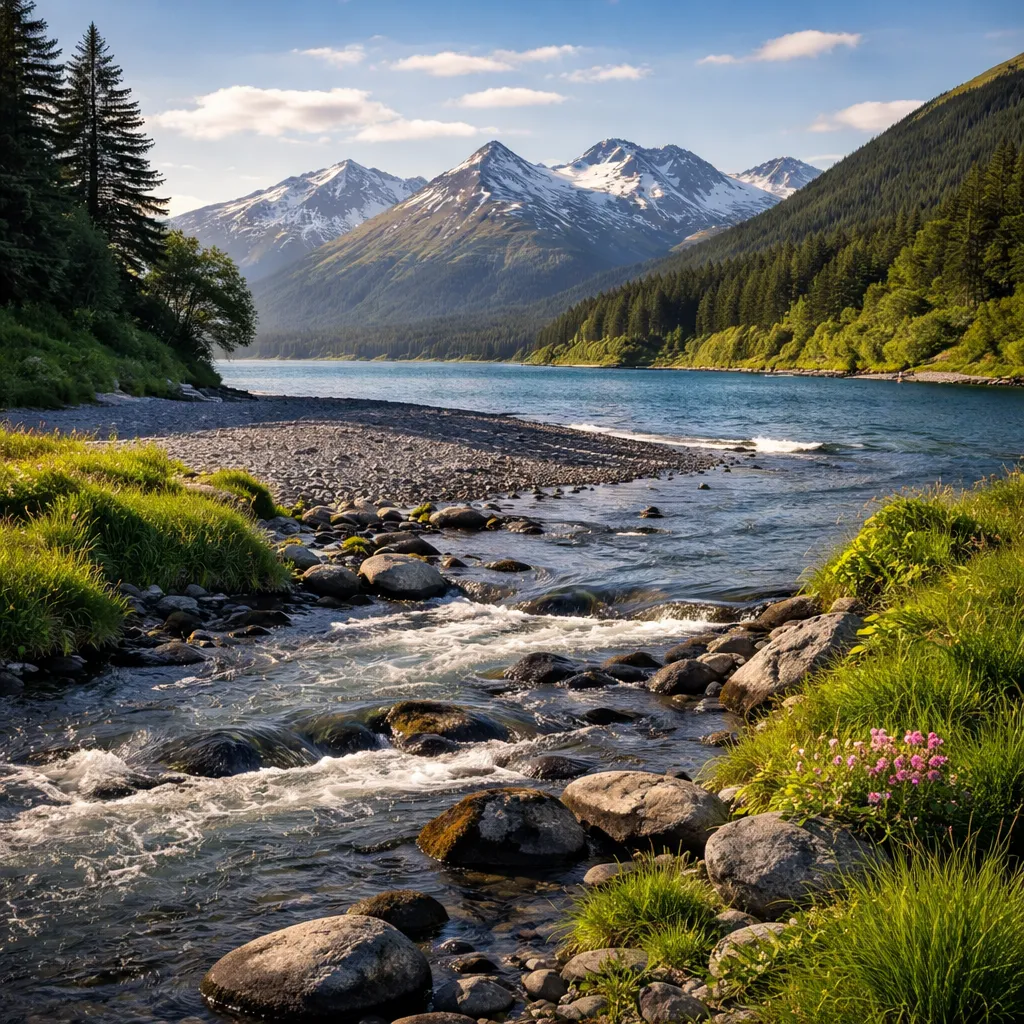
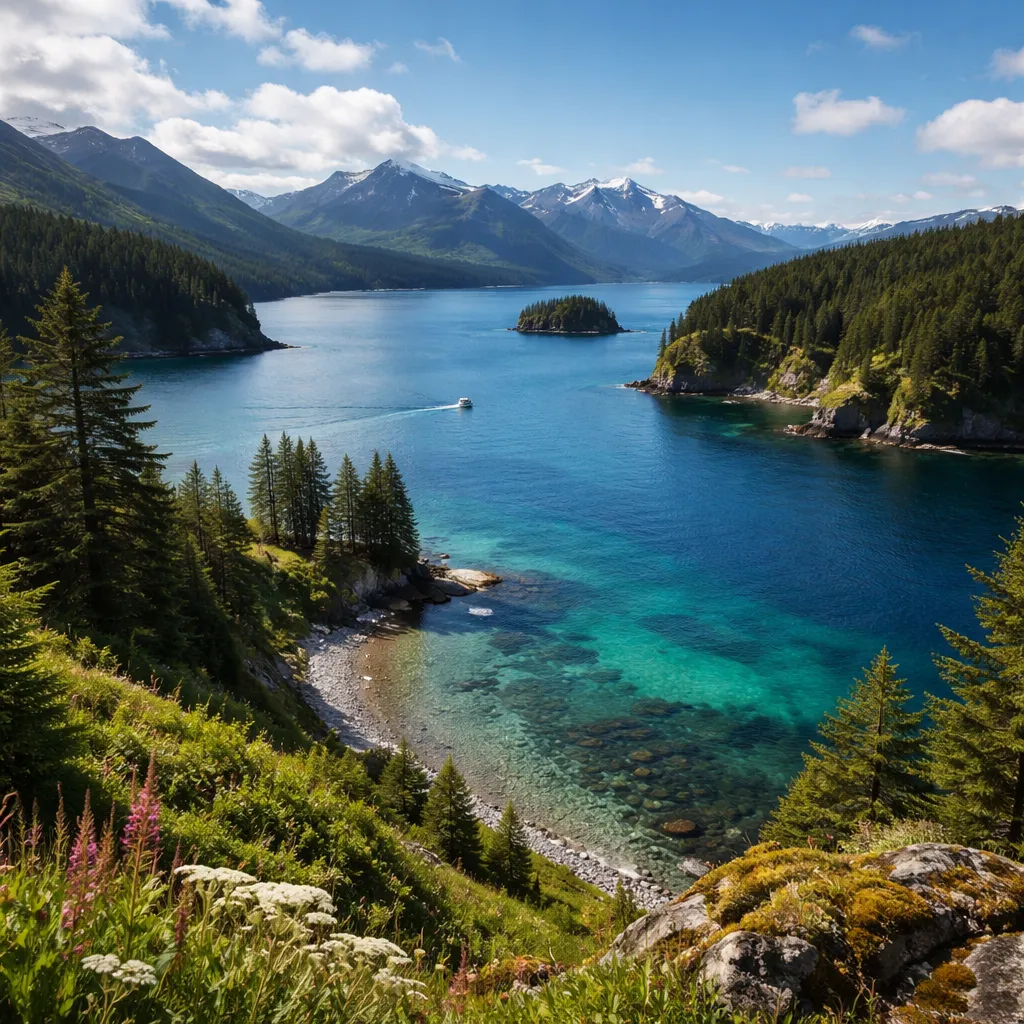
The refuge is characterized by its stunning landscapes, which include rugged mountains, lush forests, and pristine coastlines. The diverse ecosystems range from alpine tundra to coastal wetlands, providing habitats for a wide variety of flora and fauna.
- Flora: The refuge is home to over 700 species of plants, including Sitka spruce, hemlock, and various wildflowers that bloom during the summer months.
- Fauna: In addition to the Kodiak brown bear, visitors may encounter sea otters, harbor seals, and numerous bird species such as puffins, eagles, and migratory waterfowl.
- Marine Life: The coastal waters surrounding the refuge are rich in marine biodiversity, including salmon, halibut, and various species of whales.
Visitor Highlights
Kodiak National Wildlife Refuge offers a plethora of activities for visitors looking to immerse themselves in nature.
- Wildlife Viewing: The best chance to observe Kodiak brown bears is during the salmon spawning season, typically from late July to early September. Viewing platforms and guided tours are available for safe and responsible bear watching.
- Hiking: Numerous trails wind through the refuge, catering to all skill levels. The Buskin River Trail and the Olds River Trail offer breathtaking views and opportunities to see wildlife up close.
- Fishing: Anglers can enjoy fishing for salmon and halibut in the refuge's rivers and coastal waters. A valid Alaska fishing license is required.
- Kayaking and Canoeing: Explore the serene waterways of the refuge by kayak or canoe, providing a unique perspective of the landscape and its inhabitants.
Cultural Importance
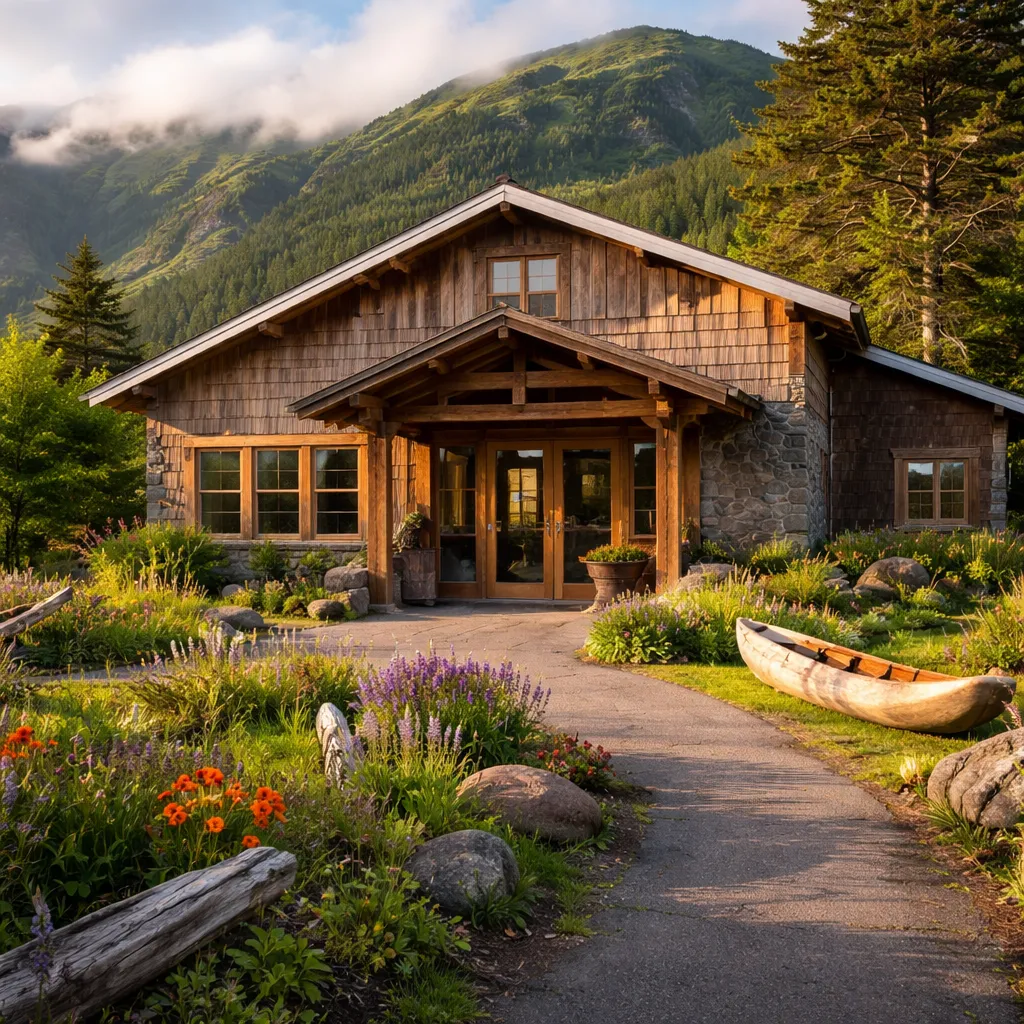
Kodiak National Wildlife Refuge is not just a haven for wildlife; it also holds cultural significance for the Alutiiq people. The refuge is a place where traditional practices and modern conservation efforts intersect. Educational programs and cultural events are often held to promote awareness of the indigenous heritage and the importance of preserving the land and its resources.
Best Time to Visit
The ideal time to visit Kodiak National Wildlife Refuge largely depends on the activities you wish to pursue:
- Summer (June to August): This is the peak season for wildlife viewing, especially for spotting bears and migratory birds. Temperatures are mild, ranging from 50°F to 70°F, making it perfect for hiking and outdoor activities.
- Fall (September to October): As the leaves change color, the refuge transforms into a picturesque landscape. This is also a great time for fishing, particularly for salmon.
- Winter (November to March): While many trails may be inaccessible due to snow, winter offers a unique opportunity for solitude and reflection. Wildlife is less active, but the tranquility of the snowy landscape is captivating.
- Spring (April to May): As the snow melts, the refuge comes alive with blooming wildflowers and the return of migratory birds. This is a great time for photography enthusiasts.
Travel Tips
To make the most of your visit to Kodiak National Wildlife Refuge, consider the following tips:
- Plan Ahead: Accommodations and tours can fill up quickly during peak season, so it's advisable to book in advance.
- Pack Accordingly: Dress in layers and bring waterproof gear, as weather conditions can change rapidly in Alaska.
- Respect Wildlife: Maintain a safe distance from all wildlife and adhere to park regulations to ensure both your safety and the protection of the animals.
- Stay Informed: Check for any alerts or updates on trail conditions and weather forecasts before heading out.
Conclusion
Kodiak National Wildlife Refuge is a breathtaking destination that offers a unique blend of natural beauty, wildlife conservation, and cultural heritage. Whether you are hiking through its scenic trails, observing bears in their natural habitat, or simply soaking in the stunning landscapes, the refuge promises an unforgettable experience for all who venture into its wild embrace.