Kenai Fjords National Park
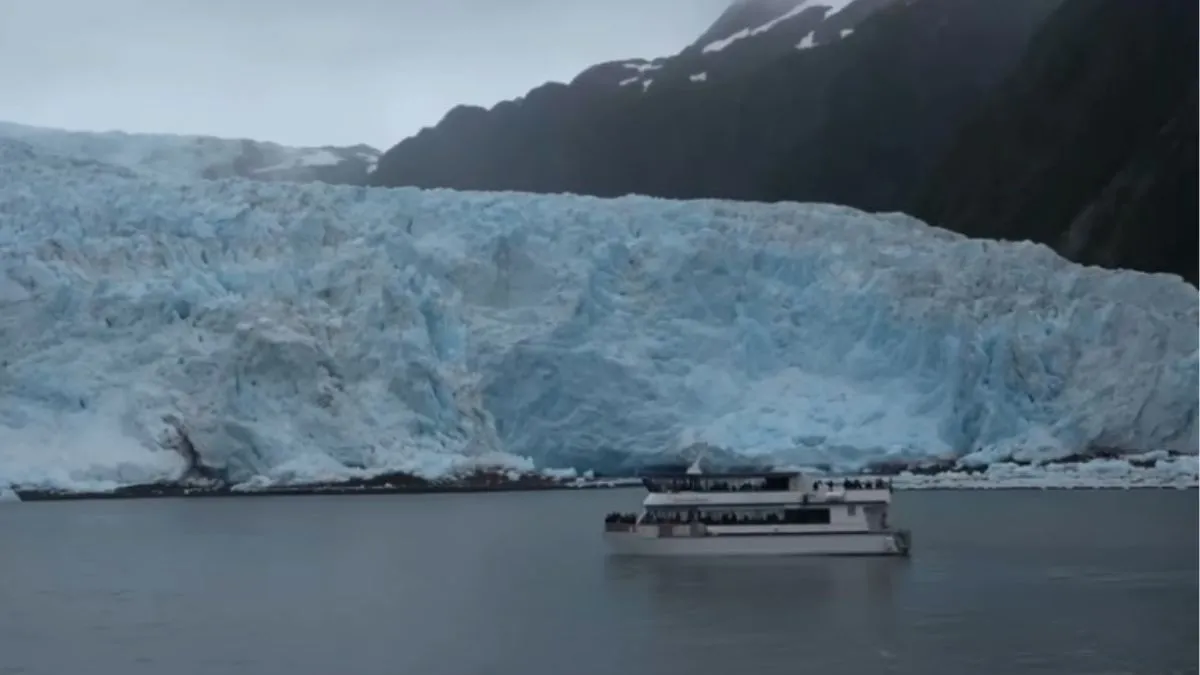

Kenai Fjords National Park
Overview
Kenai Fjords National Park, located near Seward, Alaska, is a breathtaking expanse of rugged wilderness that showcases the stunning beauty of glacial landscapes, diverse wildlife, and a rich marine environment. Established in 1980, this national park encompasses over 600,000 acres of pristine terrain, offering visitors a unique opportunity to explore the natural wonders of Alaska's coastal fjords.
History
The history of Kenai Fjords National Park is deeply intertwined with the indigenous people of the region, particularly the Alutiiq and Dena'ina tribes, who have lived in harmony with the land for thousands of years. European explorers first documented the area in the 18th century, with Captain James Cook mapping the coastline in 1778. The park was established to protect the stunning glaciers and diverse ecosystems that are vital to the region's environmental health and cultural heritage.
Significance
Kenai Fjords National Park is significant not only for its dramatic landscapes but also for its ecological importance. The park is home to the Harding Icefield, one of the largest icefields in the United States, feeding dozens of glaciers that descend into the fjords. This unique combination of ice and ocean creates a habitat for a variety of wildlife, including sea otters, seals, and numerous bird species. The park's ecosystems are vital for scientific research and conservation efforts, making it a critical area for understanding climate change and its impacts on polar regions.
Architecture and Nature
The park's architecture is defined by its natural formations. The towering cliffs, deep fjords, and expansive glaciers create a dramatic backdrop that is both awe-inspiring and humbling. Key features include:
- Harding Icefield: This massive icefield is the heart of the park, covering 300 square miles and giving rise to over 40 glaciers.
- Exit Glacier: One of the most accessible glaciers in the park, offering visitors the chance to hike and observe glacial movements up close.
- Resurrection Bay: A stunning body of water framed by steep cliffs, providing opportunities for kayaking and wildlife viewing.
Visitor Highlights
Kenai Fjords National Park offers a wealth of activities and sights for visitors. Some must-see highlights include:
- Wildlife Viewing: The park is teeming with wildlife, including humpback whales, orcas, and puffins. Boat tours provide excellent opportunities for spotting these magnificent creatures.
- Hiking Trails: Numerous trails cater to all skill levels, from the easy Exit Glacier Nature Trail to the challenging Harding Icefield Trail, which rewards hikers with panoramic views.
- Kayaking: Explore the serene waters of the fjords while paddling among icebergs and observing marine life in their natural habitat.
- Photography: The dramatic landscapes and vibrant wildlife make Kenai Fjords a photographer's paradise, particularly during the golden hours of sunrise and sunset.
Cultural Importance
Kenai Fjords National Park is not only a natural wonder but also a cultural treasure. The stories and traditions of the indigenous peoples are integral to the park's identity. Visitors can learn about the Alutiiq and Dena'ina cultures through interpretive programs and exhibits that highlight their historical connection to the land. Additionally, the park serves as a reminder of the importance of conservation and stewardship of natural resources, echoing the values of those who have lived on this land for generations.
Best Time to Visit
The best time to visit Kenai Fjords National Park is during the summer months, from late May to mid-September. This period offers the warmest weather and the most accessible trails and boat tours. Wildlife is particularly active during this time, with opportunities to see whales, sea lions, and seabirds. However, visitors should be prepared for varying weather conditions, as coastal Alaska can be unpredictable.
Travel Tips
To make the most of your visit to Kenai Fjords National Park, consider the following travel tips:
- Plan Ahead: Accommodations and tours can fill up quickly during peak season, so it's wise to book in advance.
- Dress in Layers: The weather can change rapidly, so wear layers to stay comfortable. Waterproof gear is recommended for outdoor activities.
- Stay Hydrated: Bring plenty of water, especially if you plan on hiking. Many trails have limited access to fresh water.
- Respect Wildlife: Always observe wildlife from a safe distance and adhere to park guidelines to protect both yourself and the animals.
Conclusion
Kenai Fjords National Park is a captivating destination that offers a unique blend of natural beauty, wildlife, and cultural significance. Whether you're hiking along glacial trails, kayaking in serene waters, or simply soaking in the breathtaking scenery, this Alaskan gem promises an unforgettable experience for every visitor. Discover the wonders of Kenai Fjords and create memories that will last a lifetime.