Grand Canyon National Park
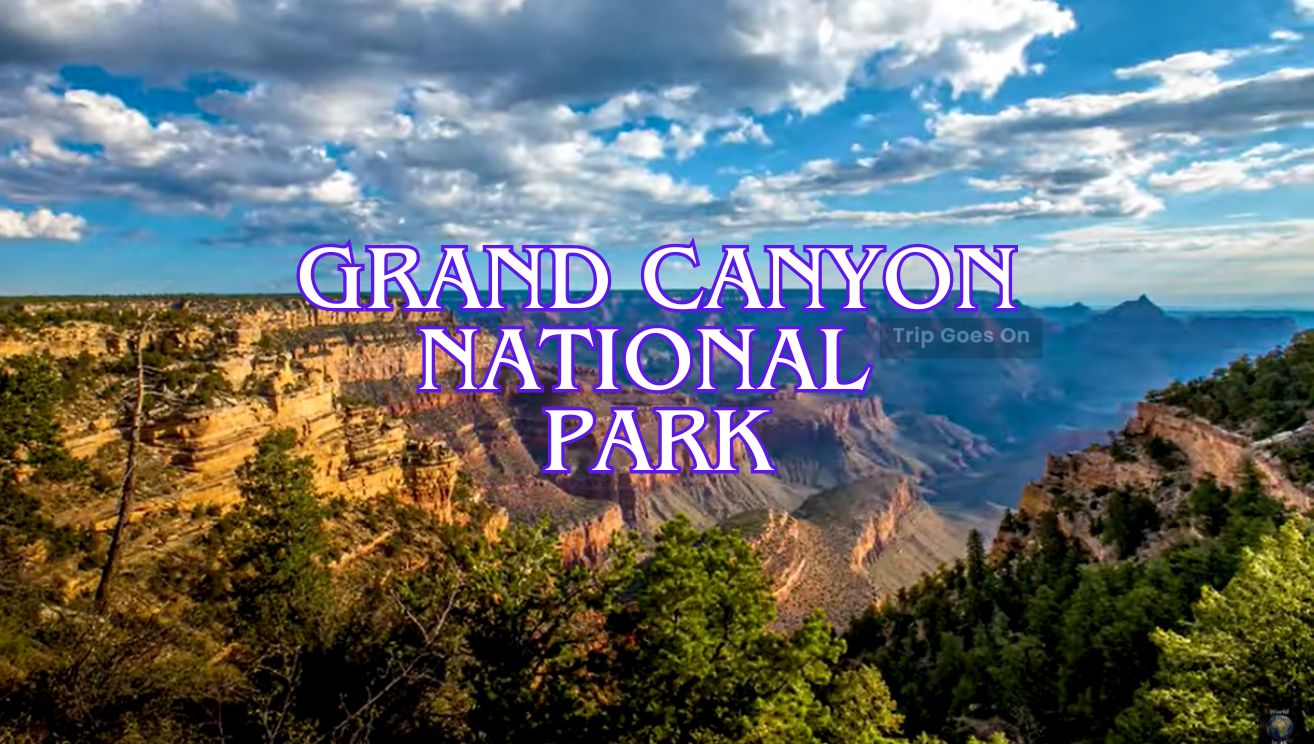

Grand Canyon National Park, Arizona
Overview
Grand Canyon National Park, located in the state of Arizona, United States of America, is one of the most iconic natural wonders in the world. Renowned for its immense size, dramatic landscapes, and geological significance, the Grand Canyon stretches approximately 277 miles (446 kilometers) in length, up to 18 miles (29 kilometers) wide, and over a mile (1.6 kilometers) deep. This UNESCO World Heritage Site attracts millions of visitors annually, offering unparalleled opportunities for hiking, sightseeing, photography, and experiencing the grandeur of nature.
Historical Significance
The Grand Canyon has been inhabited by Native American tribes for thousands of years, with the Ancestral Puebloans being among the earliest known residents. The canyon holds deep cultural and spiritual importance for tribes such as the Havasupai, Hopi, Navajo, and Hualapai. European exploration began in the 16th century, but it wasn’t until the late 19th and early 20th centuries that the canyon gained widespread attention as a natural marvel. In 1919, Grand Canyon National Park was officially established, preserving this extraordinary landscape for future generations.
Geological and Natural Features
The Grand Canyon is a geological masterpiece revealing nearly two billion years of Earth's history through its layered rock formations. The Colorado River, which carved the canyon over millions of years, continues to shape the landscape today. Visitors can witness a breathtaking palette of colors as sunlight reflects off the various rock strata, ranging from deep reds and oranges to subtle purples and grays.
- South Rim: The most accessible and popular area, offering panoramic views, visitor centers, and well-maintained trails.
- North Rim: Higher in elevation, quieter, and less developed, providing a more secluded experience with cooler temperatures.
- Inner Canyon: Accessible via challenging hikes or rafting expeditions, showcasing the canyon’s rugged and raw beauty.
Visitor Highlights
Grand Canyon National Park offers an extensive range of activities and attractions tailored to diverse interests and fitness levels:
- Scenic Viewpoints: Iconic overlooks such as Mather Point, Yavapai Observation Station, and Desert View Watchtower provide spectacular vistas of the canyon’s vast expanse.
- Hiking Trails: Trails like the Bright Angel Trail and South Kaibab Trail descend into the canyon, offering immersive experiences for day hikers and backpackers alike.
- Rafting Adventures: The Colorado River offers thrilling whitewater rafting trips ranging from a single day to multi-week expeditions through the canyon’s depths.
- Wildlife Viewing: The park is home to diverse species including California condors, mule deer, bighorn sheep, and numerous reptiles and birds.
- Ranger Programs: Educational talks, guided hikes, and evening programs provide insights into the canyon’s geology, ecology, and cultural history.
- Photography: Sunrise and sunset are prime times to capture the canyon’s dramatic lighting and shadow play, with spots like Hopi Point being especially popular.
Cultural Importance
The Grand Canyon holds profound cultural value for Native American communities whose ancestral lands encompass the park. Many tribes continue to practice traditional ceremonies and maintain a spiritual connection to the land. The park collaborates with these indigenous groups to preserve cultural sites and educate visitors about their heritage. Artifacts, petroglyphs, and ancient dwellings found within the canyon underscore its role as a cradle of human history and culture.
Best Time to Visit
The ideal time to visit Grand Canyon National Park depends on the area and the activities planned:
- Spring (March to May): Mild temperatures and blooming wildflowers make this a popular season. However, higher elevations on the North Rim may still experience snow.
- Summer (June to August): Warm to hot temperatures dominate, especially on the South Rim and inner canyon. Summer is peak tourist season, so expect crowds and book accommodations early.
- Fall (September to November): Cooler weather and fewer visitors create a pleasant experience. Fall colors add to the scenic beauty, especially in forested areas.
- Winter (December to February): The South Rim can be cold and snowy, while the North Rim closes due to heavy snowfall. Winter offers solitude and unique snowy vistas.
Travel Tips
- Plan Ahead: Accommodations inside the park fill quickly, especially during peak seasons. Reservations for lodging and tours should be made well in advance.
- Layered Clothing: Weather can vary drastically between rim and canyon floor, so bring layers to stay comfortable throughout the day.
- Hydration and Safety: Carry ample water, especially when hiking. The arid climate and strenuous terrain demand proper preparation to avoid heat exhaustion.
- Transportation: Utilize the park’s free shuttle bus system on the South Rim to reduce traffic and parking challenges.
- Respect Wildlife and Culture: Maintain a safe distance from animals and respect all cultural sites. Follow park guidelines to preserve the natural and cultural heritage.
- Accessibility: Many viewpoints and visitor centers are wheelchair accessible, but some trails may be challenging. Check with park services for detailed accessibility information.
- Photography Gear: Bring a wide-angle lens and tripod to capture expansive landscapes and low-light conditions during sunrise or sunset.
Conclusion
Grand Canyon National Park in Arizona is a must-visit destination for travelers seeking awe-inspiring natural beauty, rich cultural history, and adventurous outdoor activities. Its unparalleled vistas and geological wonders make it a cornerstone of American natural heritage and a global symbol of wilderness preservation. Whether you are a casual sightseer, avid hiker, or cultural enthusiast, the Grand Canyon offers an unforgettable experience that resonates long after you leave its majestic cliffs and winding river trails.