Horseshoe Bend
Discover Horseshoe Bend: A Natural Wonder in Page, Arizona
Introduction
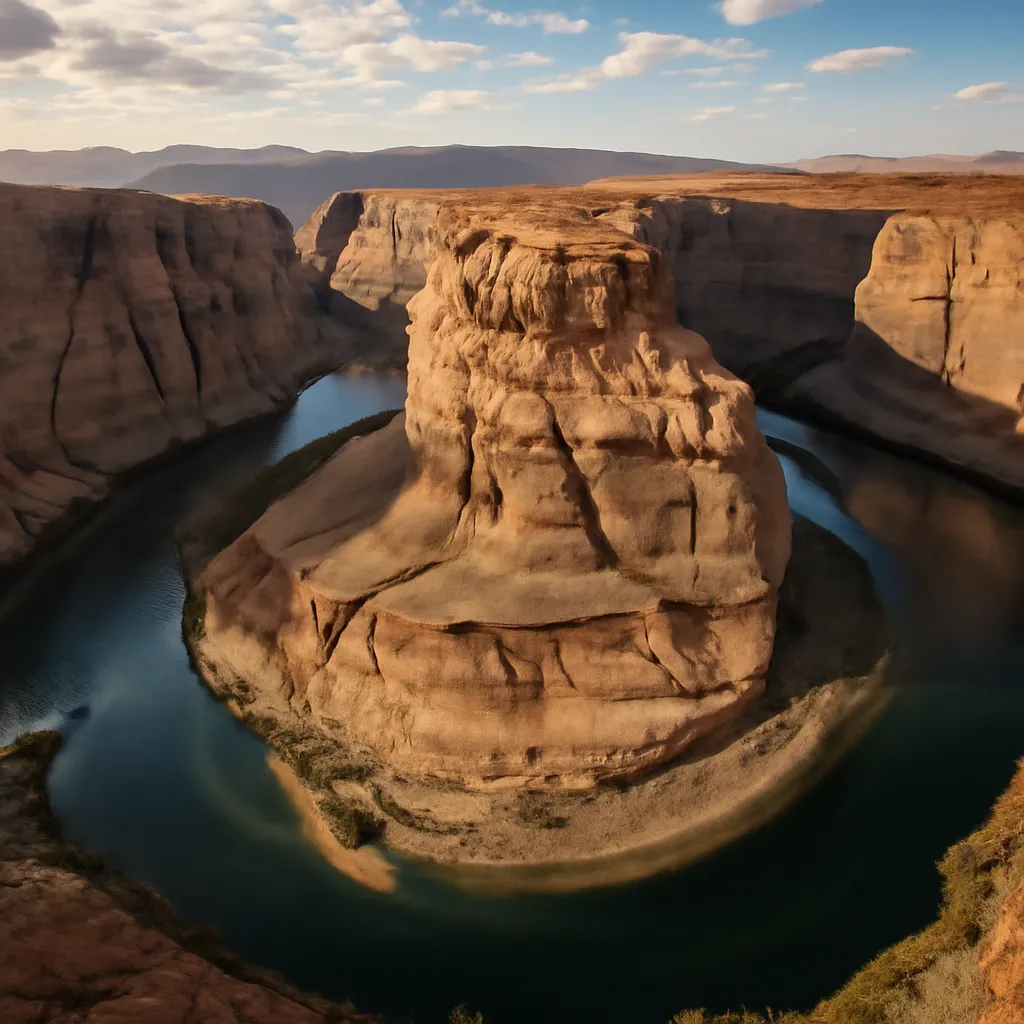
Nestled just outside the vibrant town of Page, Arizona, Horseshoe Bend is a breathtaking geological formation that draws visitors from around the globe. This iconic meander of the Colorado River offers one of the most stunning vistas in the American Southwest. With its striking views, rich history, and unique geological features, Horseshoe Bend is a must-visit destination for nature lovers, photographers, and adventure seekers alike.
History and Significance
Horseshoe Bend has a storied history that dates back thousands of years. The area is part of the ancestral lands of the Navajo Nation, and the indigenous peoples have long revered the natural beauty and spiritual significance of the Colorado River. The formation itself was carved over millions of years by the relentless flow of the river, creating the dramatic curve that gives Horseshoe Bend its name.
In the mid-20th century, the construction of the Glen Canyon Dam transformed the landscape and the ecology of the region. The dam created Lake Powell, a massive reservoir that now attracts millions of visitors annually. Despite these changes, Horseshoe Bend remains a testament to the power of nature and the enduring beauty of the American Southwest.
Geological Features
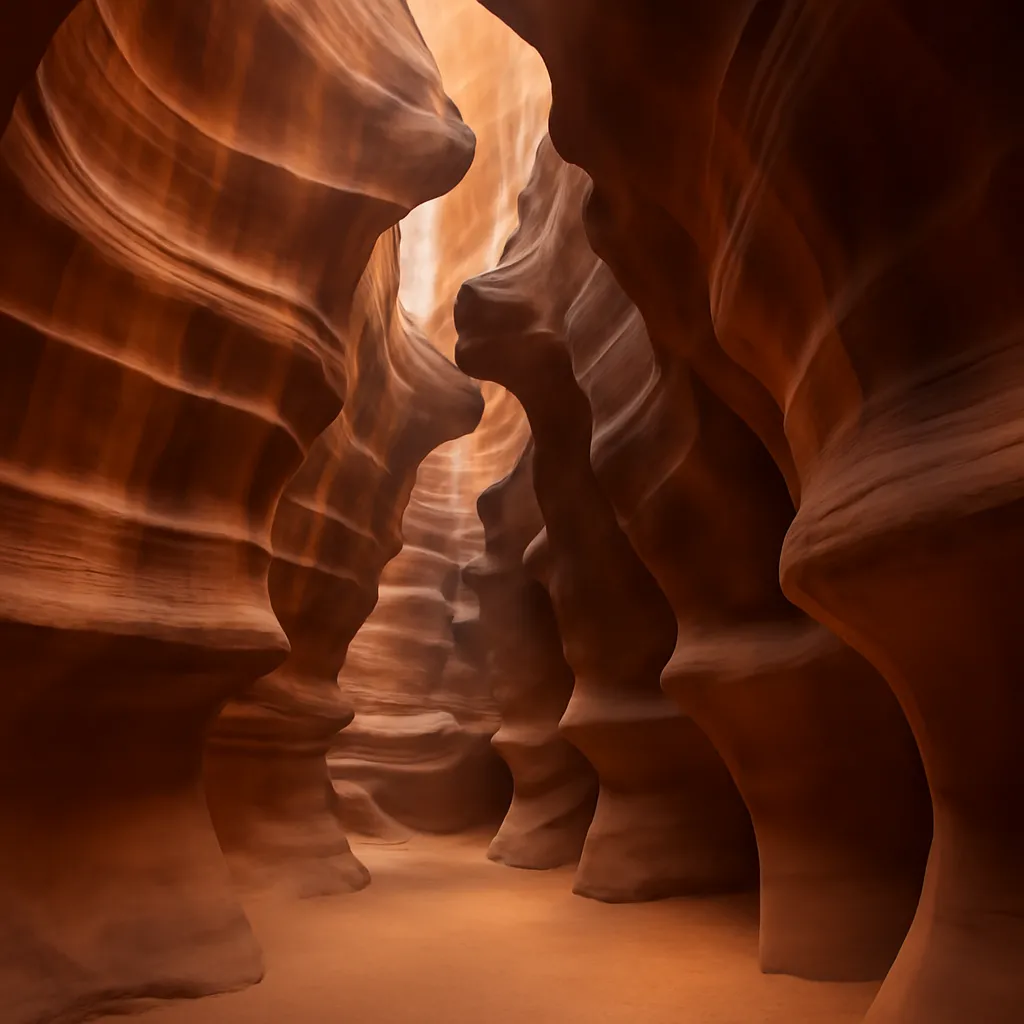
The primary attraction of Horseshoe Bend is its remarkable geological structure. The river meanders in a U-shape around a sandstone cliff, creating a stunning visual that is especially captivating during sunrise and sunset when the colors of the rock formations come alive. The vibrant reds, oranges, and yellows of the sandstone contrast beautifully with the deep blue waters of the Colorado River, making it a photographer's paradise.
The surrounding landscape is characterized by towering red rock formations, sparse desert vegetation, and expansive views of the rugged terrain. The area is primarily composed of Navajo Sandstone, which has been shaped by erosion and weathering over millennia. Visitors can explore the surrounding trails, which offer additional vantage points for viewing the bend and the incredible landscape.
Visitor Highlights
- Scenic Overlook: The main viewpoint is easily accessible via a short hike from the parking area. The overlook provides an unobstructed view of the bend, making it an ideal spot for photography and relaxation.
- Photography: Horseshoe Bend is a favorite among photographers, particularly during the golden hours of sunrise and sunset. The play of light on the rocks and water creates stunning images that capture the essence of the American Southwest.
- Hiking Opportunities: While the main overlook is the highlight, there are several nearby trails that offer additional perspectives of the bend and the surrounding landscape. Exploring these trails can provide a more intimate experience with the natural beauty of the area.
- Rafting and Water Sports: The Colorado River offers opportunities for rafting and kayaking. Guided tours are available for those looking to experience the river up close while enjoying the stunning scenery.
Cultural Importance
Horseshoe Bend is not just a natural wonder; it also holds cultural significance for the Navajo people and other indigenous communities in the area. The river and its surrounding landscapes are integral to their history, spirituality, and connection to the land. Visitors are encouraged to respect the cultural heritage of the area by adhering to guidelines and being mindful of their impact on the environment.
Best Time to Visit
The best time to visit Horseshoe Bend is during the spring and fall months, from March to May and September to November. During these seasons, temperatures are mild, making for comfortable hiking and exploring. Summer can be extremely hot, with temperatures often exceeding 100°F (38°C), while winter months can bring cooler temperatures, especially in the evenings.
For those interested in photography, visiting during the early morning or late afternoon provides the best lighting conditions to capture the stunning colors of the landscape.
Travel Tips
- Plan Ahead: Given its popularity, it’s advisable to arrive early in the day to avoid crowds, especially during peak tourist seasons.
- Stay Hydrated: Bring plenty of water, especially during warmer months, as the desert climate can be dehydrating.
- Wear Appropriate Footwear: The short hike to the overlook can be rocky and uneven. Comfortable hiking shoes are recommended.
- Respect Nature: Follow Leave No Trace principles to help preserve the natural beauty of Horseshoe Bend for future generations.
- Photography Gear: If you’re a photographer, consider bringing a tripod for long exposure shots during sunrise or sunset.
Conclusion
Horseshoe Bend is more than just a picturesque viewpoint; it is a symbol of the breathtaking beauty and geological wonders of the American Southwest. With its rich history, stunning landscapes, and cultural significance, it offers a unique experience for all who visit. Whether you are seeking adventure, relaxation, or inspiration, Horseshoe Bend is sure to leave a lasting impression.