Desert Botanical Garden
Desert Botanical Garden
Overview
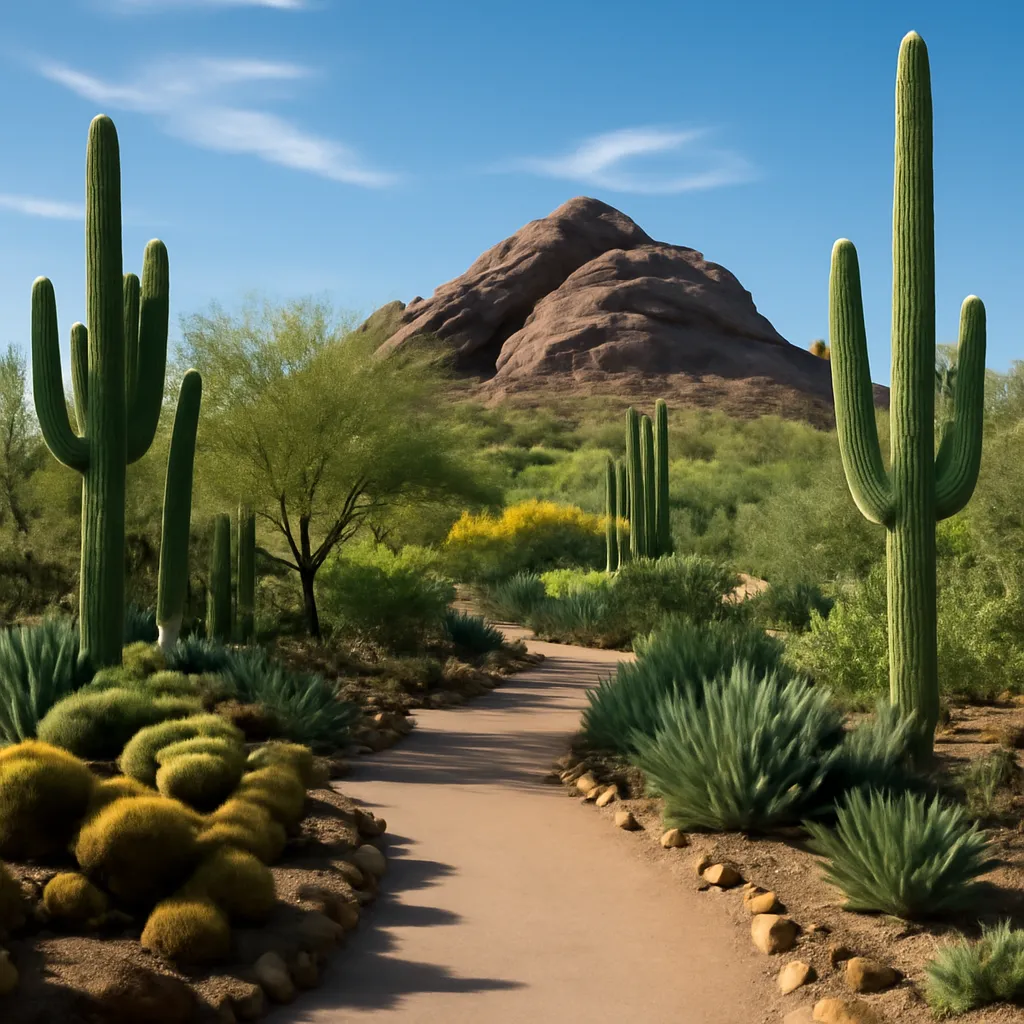
Located in the heart of Phoenix, Arizona, the Desert Botanical Garden is a stunning showcase of the natural beauty and ecological diversity of desert flora. Spanning over 140 acres, this unique garden is home to thousands of species of plants, many of which are native to the Sonoran Desert. The garden not only serves as a peaceful retreat for visitors but also plays a crucial role in conservation and education about desert ecosystems.
History
The Desert Botanical Garden was founded in 1939, emerging from the vision of a group of passionate botanists and conservationists who recognized the need to preserve the unique plant life of the desert. The garden's establishment was a response to the rapid urbanization of the Phoenix area, which threatened the native flora. Over the decades, the garden has expanded significantly, both in size and in its collection of plants, and it has become a key institution for research, education, and conservation efforts.
Significance
The significance of the Desert Botanical Garden extends beyond its role as a tourist attraction. It serves as a vital research center focusing on the conservation of desert plants, many of which are endangered. The garden is involved in various programs aimed at educating the public about the importance of biodiversity and the need for sustainable practices. It also collaborates with local universities and organizations to promote ecological research and conservation initiatives.
Architecture and Nature
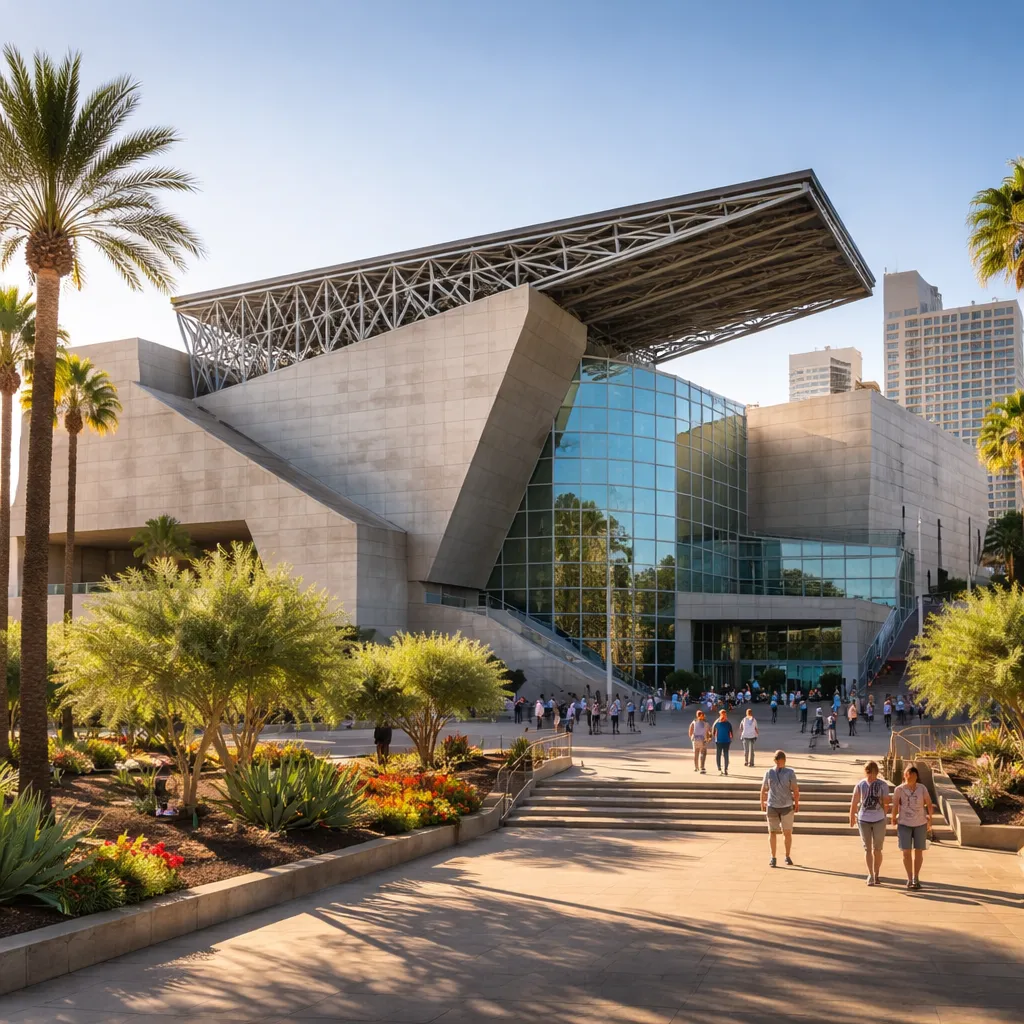
The architecture of the Desert Botanical Garden is as captivating as its plant collections. Designed to blend seamlessly with the natural landscape, the garden features pathways that wind through carefully curated exhibits showcasing cacti, succulents, and other desert plants. Notable architectural highlights include:
- Desert Discovery Loop Trail: A scenic loop that offers visitors a chance to explore the diverse plant life while enjoying stunning views of the surrounding desert.
- Butterfly Pavilion: An enchanting space that houses various butterfly species, providing a unique opportunity to observe these delicate creatures in a naturalistic setting.
- Smithsonian Exhibition: The garden frequently hosts temporary exhibitions in collaboration with the Smithsonian Institution, highlighting various aspects of desert ecology and art.
Visitor Highlights
Visitors to the Desert Botanical Garden can expect a rich array of experiences, including:
- Seasonal Events: The garden hosts a variety of events throughout the year, including the popular "Las Noches de las Luminarias," where the garden is illuminated with thousands of candles, creating a magical atmosphere.
- Educational Programs: The garden offers workshops, guided tours, and lectures aimed at educating visitors about desert ecology, horticulture, and conservation strategies.
- Gift Shop and Café: The on-site gift shop features a selection of unique souvenirs, including local artisan crafts and gardening supplies, while the café serves delicious, locally sourced food.
Cultural Importance
The Desert Botanical Garden is not only a haven for plant lovers but also a cultural landmark that reflects the rich heritage of the Sonoran Desert. The garden often showcases art installations and cultural events that celebrate the indigenous peoples of the region and their connection to the land. By highlighting the relationship between culture and nature, the garden fosters a deeper understanding of the importance of preserving both.
Best Time to Visit
The ideal time to visit the Desert Botanical Garden is during the cooler months, from late fall to early spring (November to April). During this period, temperatures are mild, making it comfortable for outdoor exploration. Spring is particularly enchanting as many desert plants bloom, showcasing vibrant colors and unique fragrances. Additionally, special events and exhibitions are often scheduled during these months, enhancing the visitor experience.
Travel Tips
- Plan Ahead: Check the garden's official calendar for special events, workshops, and seasonal activities to make the most of your visit.
- Wear Comfortable Shoes: The garden features extensive pathways and trails, so comfortable walking shoes are essential for exploring the various exhibits.
- Stay Hydrated: The desert climate can be dry and hot, especially during the summer months. Always carry water to stay hydrated during your visit.
- Photography: Bring your camera! The unique landscapes and plant life provide endless opportunities for stunning photographs.
- Check for Discounts: Look for discounts on admission for students, seniors, or military personnel, and consider visiting on specific days when entry fees may be reduced.
Conclusion
The Desert Botanical Garden in Phoenix, Arizona, is a remarkable destination that offers both beauty and education. With its rich history, commitment to conservation, and stunning displays of desert flora, it invites visitors to explore and appreciate the intricate ecosystems of the Sonoran Desert. Whether you're a nature enthusiast, a casual visitor, or a family looking for a unique outing, the Desert Botanical Garden promises an unforgettable experience that celebrates the beauty of the desert.