Santa Barbara Mission
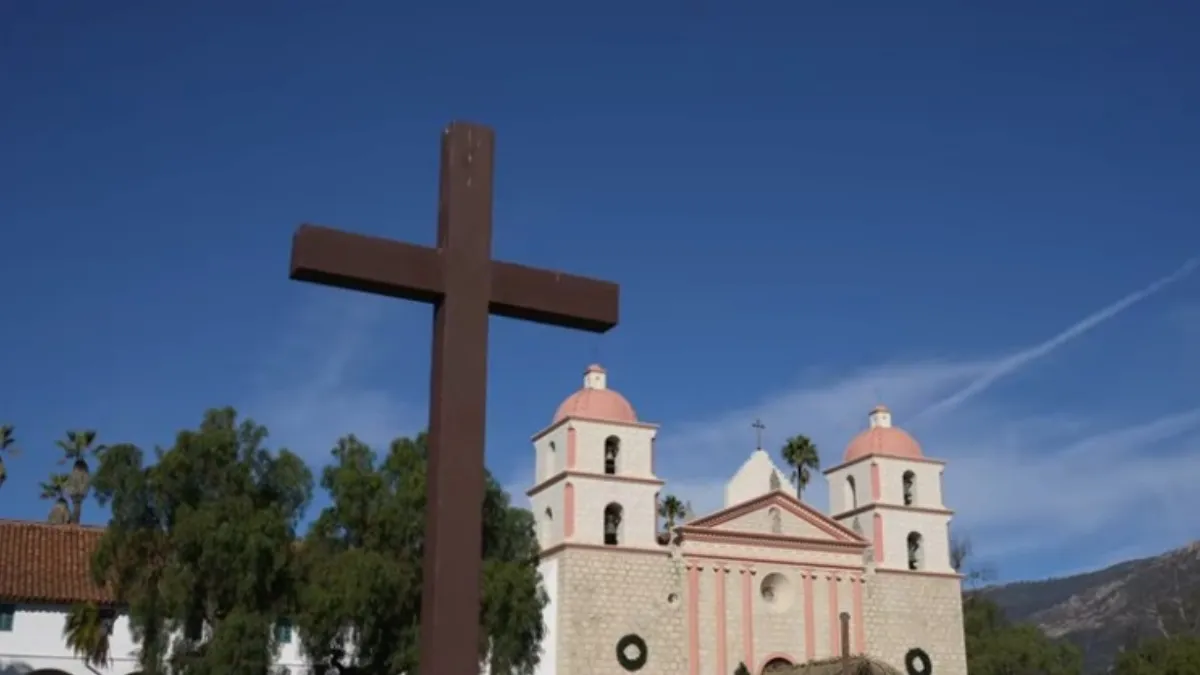
Santa Barbara Mission: A Jewel of California's History
Overview
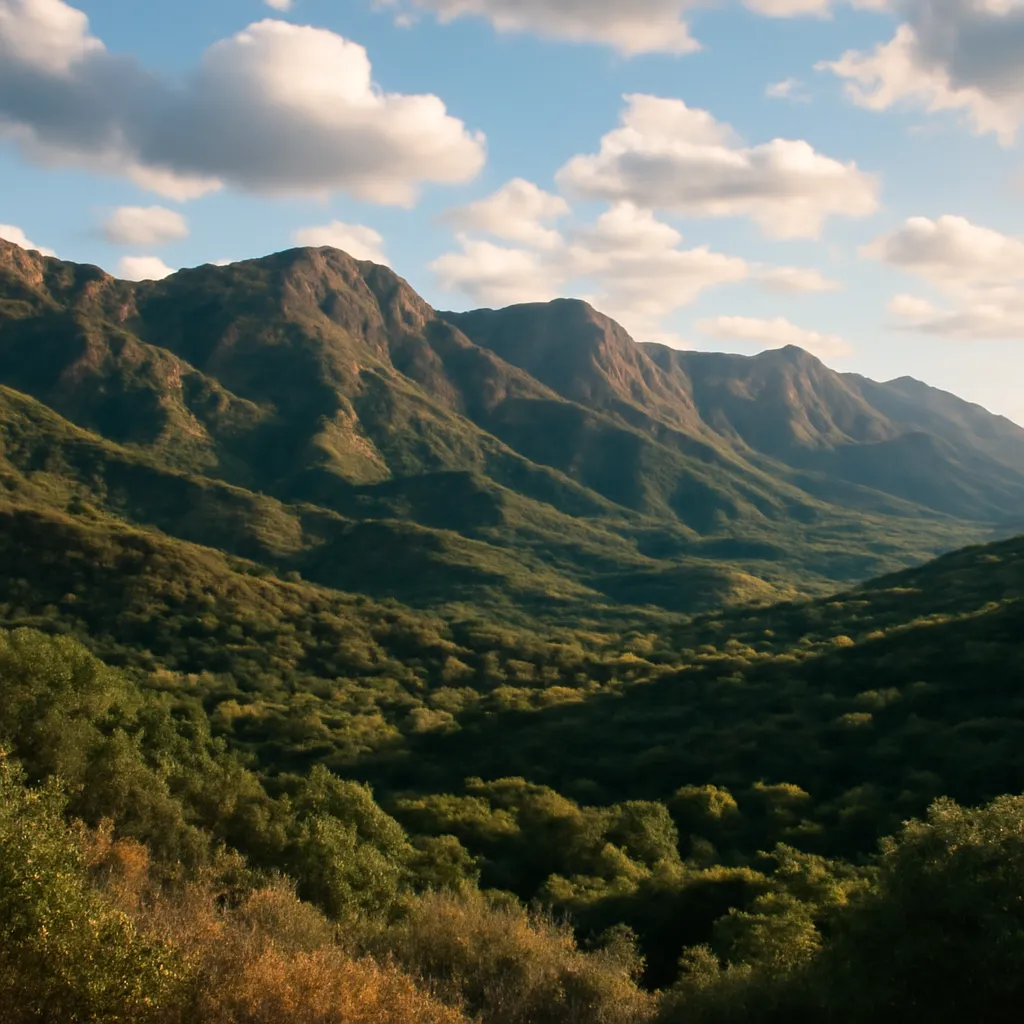
Nestled in the picturesque landscape of Santa Barbara, California, the Santa Barbara Mission stands as a testament to the rich cultural heritage and historical significance of the region. Founded in 1786, this mission is one of the most beautiful and well-preserved of the California missions, offering visitors a glimpse into the past while showcasing the stunning architecture and natural beauty of the area.
Historical Significance
The Santa Barbara Mission, officially known as Mission Santa Barbara, was the tenth of the 21 California missions established by Spanish Franciscan missionaries. Its primary purpose was to convert the local Chumash Native Americans to Christianity and to provide a base for Spanish settlers. The mission played a crucial role in the cultural exchange between the indigenous people and European settlers, influencing the development of the region.
Throughout its history, the mission has endured numerous challenges, including earthquakes and fires. The most significant earthquake occurred in 1925, which led to extensive restoration efforts. Today, the mission stands as a symbol of resilience and adaptation, reflecting the intertwined histories of the Native Americans and the Spanish missionaries.
Architectural Marvel
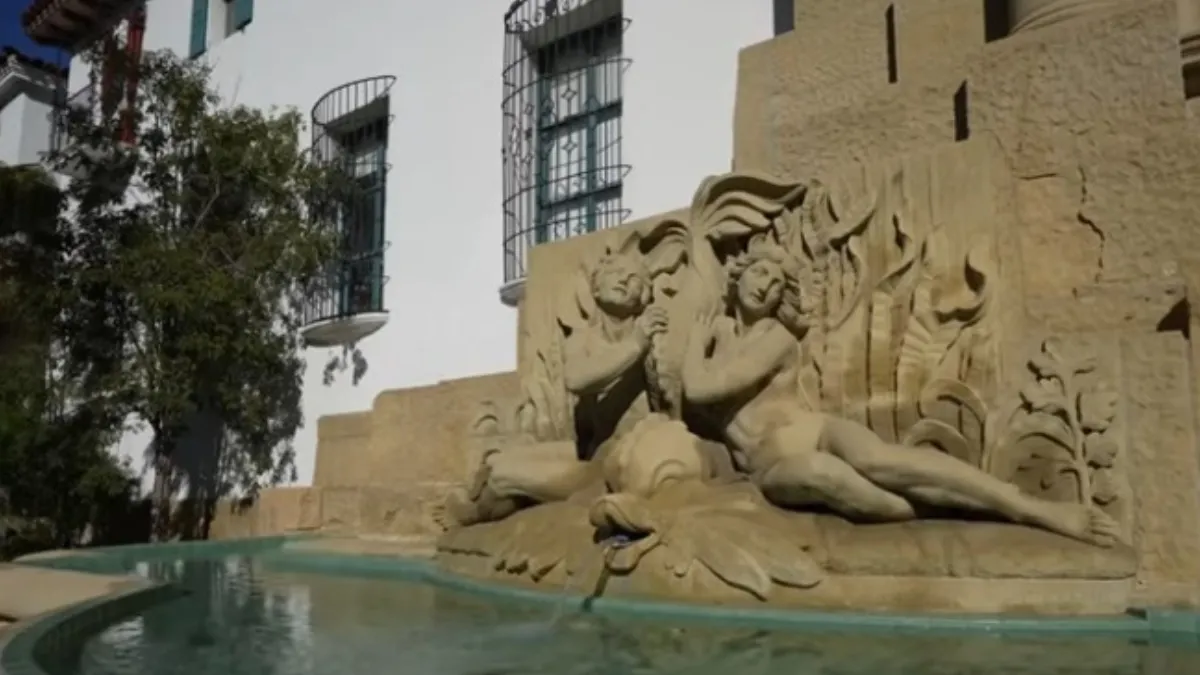
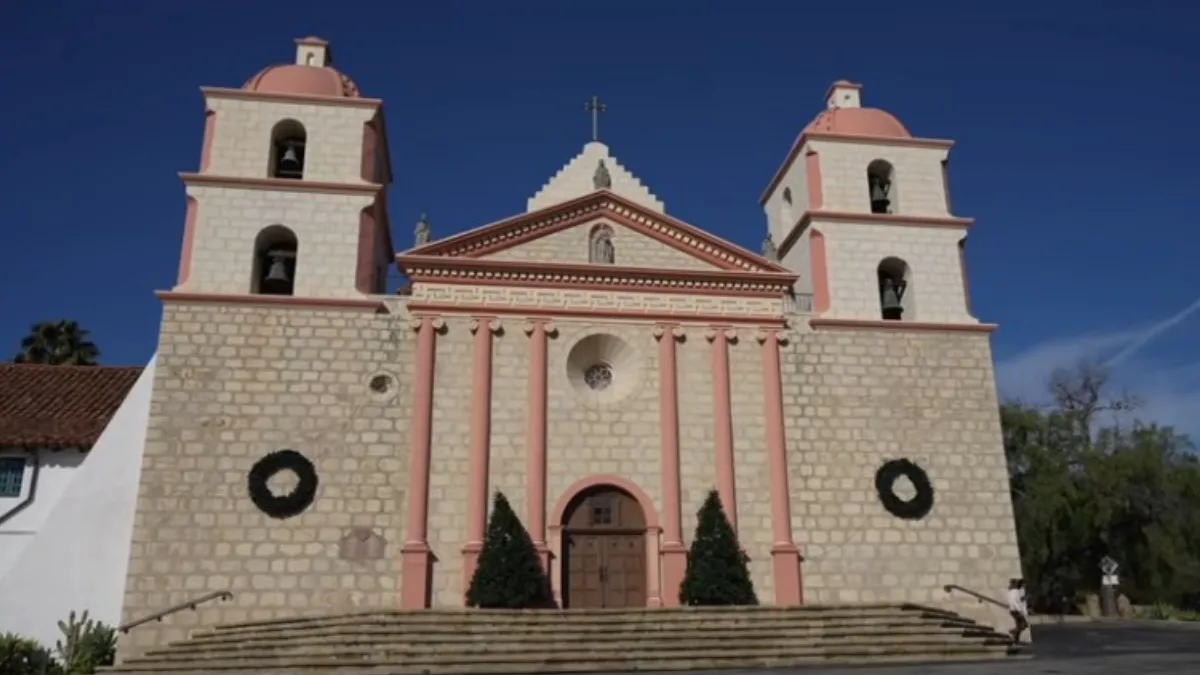
The architecture of the Santa Barbara Mission is a stunning representation of the Spanish Colonial Revival style, characterized by its whitewashed adobe walls, red-tiled roofs, and intricate decorative elements. The mission features a striking façade adorned with two bell towers, which are a hallmark of its design.
Inside, visitors will find a beautifully maintained church with a stunning altar and religious artwork that reflects the mission's spiritual significance. The surrounding gardens, filled with native plants and vibrant flowers, provide a serene atmosphere for reflection and appreciation of the natural beauty that complements the mission's historical architecture.
Visitor Highlights
- Mission Church: Explore the interior of the mission church, where you can admire the ornate altar and historical artifacts.
- Gardens: Stroll through the lush gardens, which are meticulously maintained and offer a peaceful retreat.
- Mission Museum: Visit the on-site museum to learn more about the mission's history, the Chumash culture, and the impact of the mission system in California.
- Guided Tours: Participate in guided tours that provide in-depth insights into the mission's history, architecture, and significance.
- Annual Events: Check the mission's calendar for special events, including cultural celebrations and historical reenactments.
Cultural Importance
The Santa Barbara Mission is not only a historical site but also a cultural hub that continues to celebrate the traditions of the Chumash people and the Spanish heritage. It serves as a venue for various cultural events and educational programs aimed at preserving and promoting the rich history of the region.
The mission also plays a vital role in the community, hosting religious services, weddings, and other significant events. Its ongoing efforts to engage the public in its history make it a living monument that resonates with both locals and visitors alike.
Best Time to Visit
The ideal time to visit the Santa Barbara Mission is during the spring (March to May) and fall (September to November) when the weather is mild, and the gardens are in full bloom. These seasons offer pleasant temperatures for exploring the grounds and participating in outdoor activities. Additionally, visiting during the weekdays can help you avoid larger crowds, allowing for a more intimate experience.
Travel Tips
- Plan Ahead: Check the mission's official website for current hours of operation, admission fees, and any special events that may be taking place during your visit.
- Dress Comfortably: Wear comfortable shoes and clothing, as you will likely be walking and exploring the gardens and museum.
- Photography: Bring your camera to capture the stunning architecture and beautiful landscapes. However, be respectful of any restrictions on photography inside the church.
- Respect the Space: Remember that this is a place of worship and historical significance; maintain a respectful demeanor while visiting.
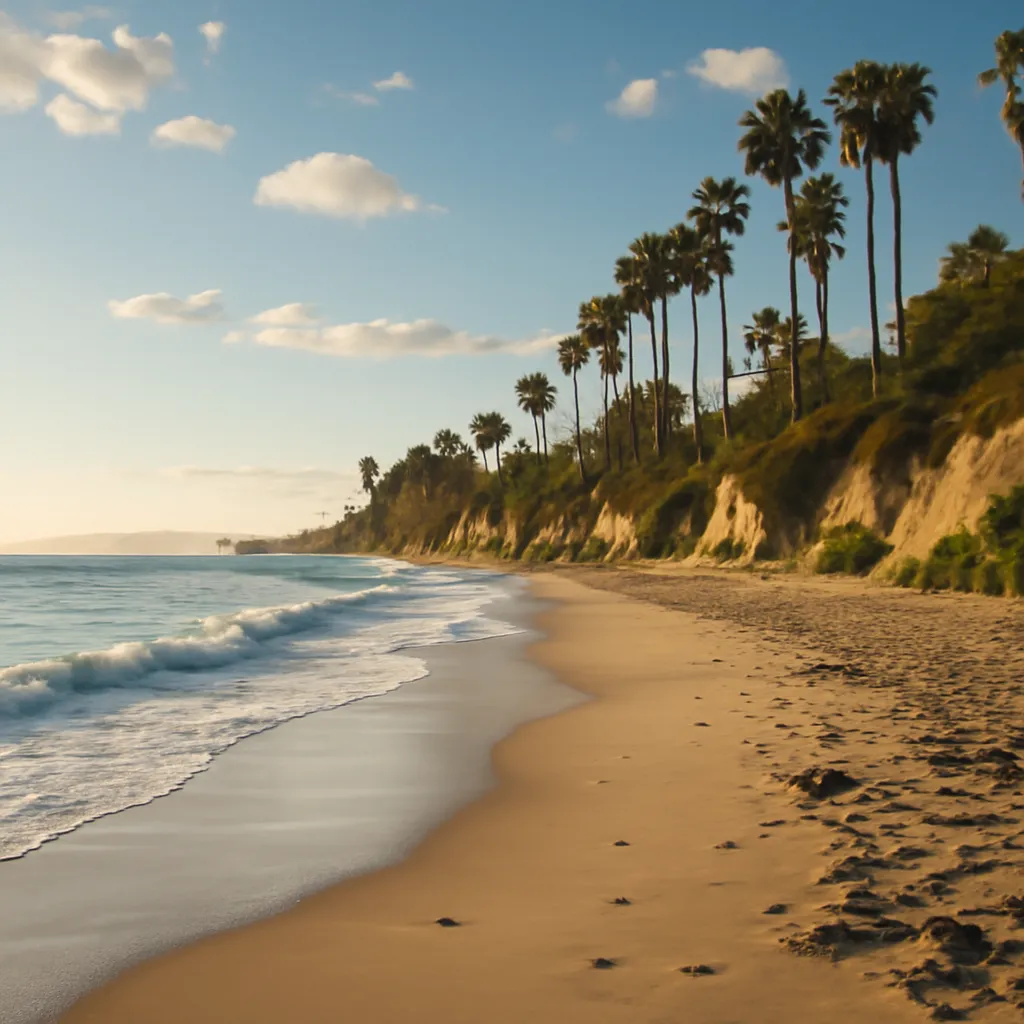
- Explore the Area: Take time to explore the surrounding area of Santa Barbara, including its beaches, parks, and vibrant downtown, to fully appreciate the beauty and culture of this coastal city.
Conclusion
The Santa Barbara Mission is more than just a historical landmark; it is a vibrant part of California's cultural tapestry. With its rich history, stunning architecture, and serene gardens, it offers visitors a unique opportunity to connect with the past while enjoying the natural beauty of the region. Whether you are a history buff, a nature lover, or simply seeking a peaceful retreat, the Santa Barbara Mission is a must-visit destination that promises an enriching experience.