Sequoia National Park
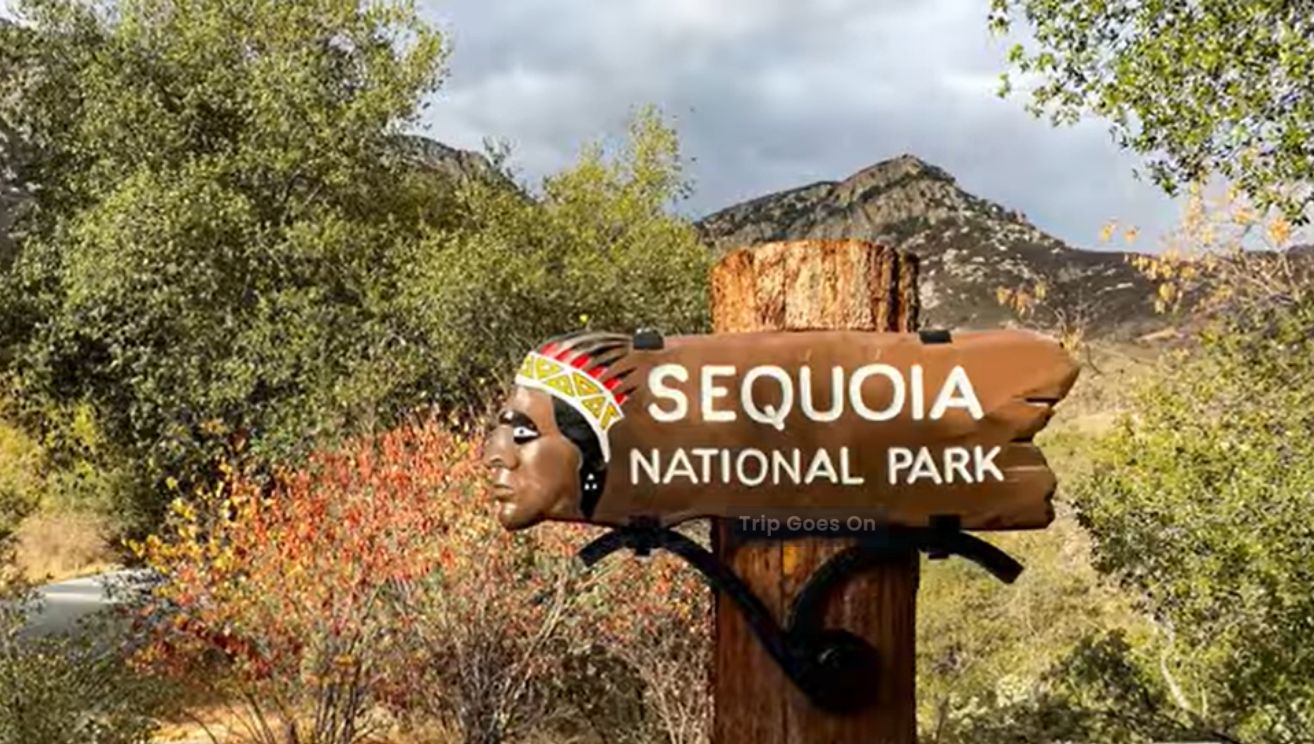

Explore Sequoia National Park
Overview
Sequoia National Park, nestled in the Sierra Nevada mountains of California, is a breathtaking natural wonder known for its towering sequoia trees, stunning landscapes, and rich biodiversity. Established in 1890, this park is home to some of the largest trees on Earth, including the General Sherman Tree, which is the largest living tree by volume. The park spans over 631 square kilometers, offering a diverse range of ecosystems, from lush meadows and alpine lakes to rugged mountains and deep canyons.
History and Significance
The history of Sequoia National Park is steeped in the conservation movement of the late 19th century. The park was established to protect the giant sequoias from logging and other forms of exploitation. Early advocates, including naturalist John Muir, played a crucial role in raising awareness about the importance of preserving these ancient trees and their unique habitats. In 1903, President Theodore Roosevelt visited the park, further solidifying its significance in American conservation history.
The Majestic Sequoias
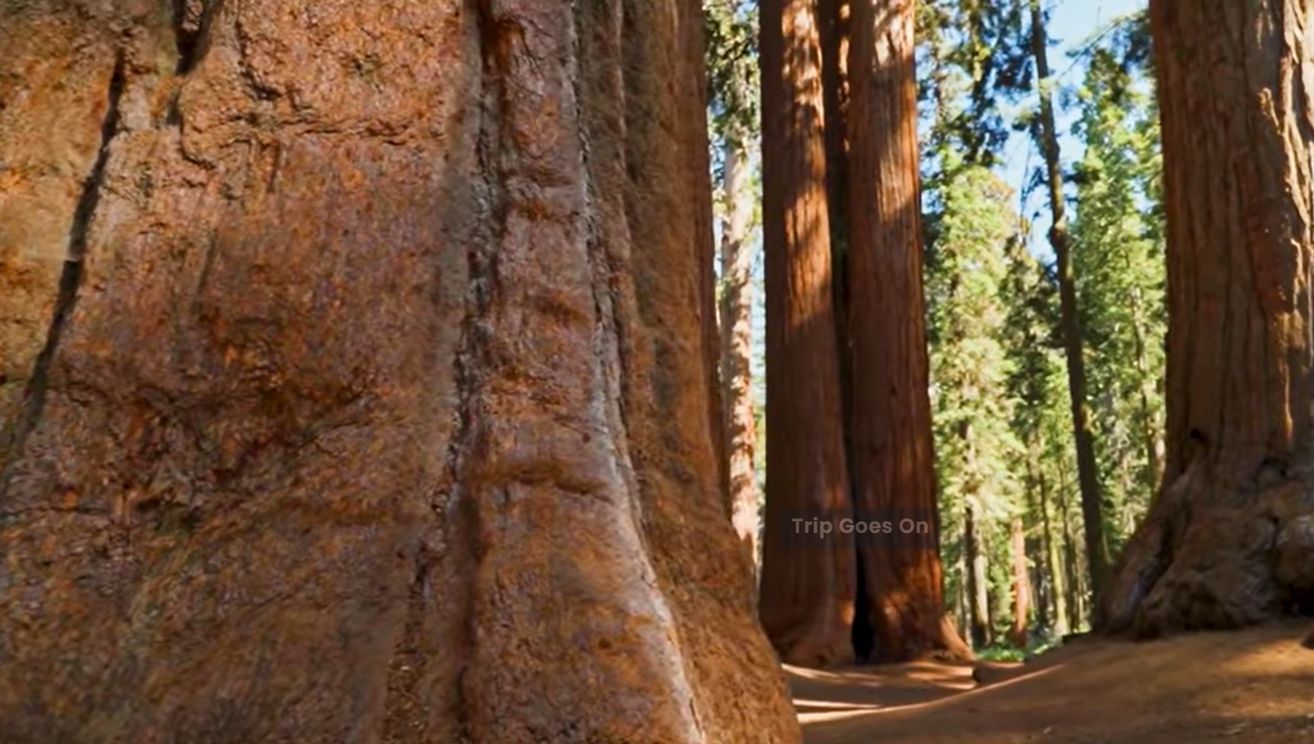
The park's namesake, the giant sequoia (Sequoiadendron giganteum), can live for over 3,000 years and reach heights of more than 300 feet. These trees thrive in the park's unique climate, characterized by hot summers and snowy winters. The Giant Forest, one of the park's most famous areas, is home to over 2,000 mature sequoias, including the General Sherman Tree. Visitors can marvel at these natural giants along a network of well-maintained trails.
Visitor Highlights
- General Sherman Tree: The largest tree on Earth, standing at 275 feet tall and over 36 feet in diameter at its base.
- Moro Rock: A granite dome offering panoramic views of the Sierra Nevada mountains. A steep staircase leads to the summit, rewarding hikers with breathtaking vistas.
- Crescent Meadow: A picturesque meadow surrounded by sequoias, perfect for picnicking and wildlife watching.
- Crystal Cave: A stunning limestone cave featuring intricate formations. Guided tours are available during the summer months.
- Kings Canyon: Adjacent to Sequoia National Park, this canyon offers additional hiking opportunities and spectacular scenery.
Cultural Importance
Sequoia National Park holds cultural significance for several Native American tribes, including the Yokuts and Mono. These tribes have lived in harmony with the land for thousands of years, utilizing the natural resources for food, shelter, and cultural practices. Today, the park serves as a living testament to their heritage, with interpretive programs and educational resources available to visitors, highlighting the connection between the indigenous peoples and the land.
Best Time to Visit
The ideal time to visit Sequoia National Park is from late spring to early fall (May to September). During these months, the weather is generally warm and dry, making it perfect for hiking and outdoor activities. However, visitors should be aware that some higher elevation trails may still be snow-covered in early summer. The fall months (October and November) offer stunning foliage and fewer crowds, while winter (December to March) transforms the park into a snowy wonderland, ideal for snowshoeing and cross-country skiing.
Travel Tips
- Plan Ahead: Check the park’s official website for road conditions, trail closures, and any special events happening during your visit.
- Stay Hydrated: The high elevation can lead to dehydration. Carry plenty of water, especially when hiking.
- Dress in Layers: Weather can change rapidly in the mountains. Wear layers to adapt to varying temperatures throughout the day.
- Leave No Trace: Follow Leave No Trace principles to protect the park's delicate ecosystems. Pack out what you pack in.
- Wildlife Safety: Keep a safe distance from wildlife and never feed animals. This helps maintain their natural behaviors and keeps both visitors and animals safe.
Conclusion
Sequoia National Park is not just a destination; it's an experience that connects visitors with the grandeur of nature and the importance of conservation. From the awe-inspiring giant sequoias to the rich cultural history, every corner of the park offers something unique and memorable. Whether you're an avid hiker, a family seeking adventure, or a nature lover looking for tranquility, Sequoia National Park is a must-visit destination that promises to leave a lasting impression.