Royal Arch Trail
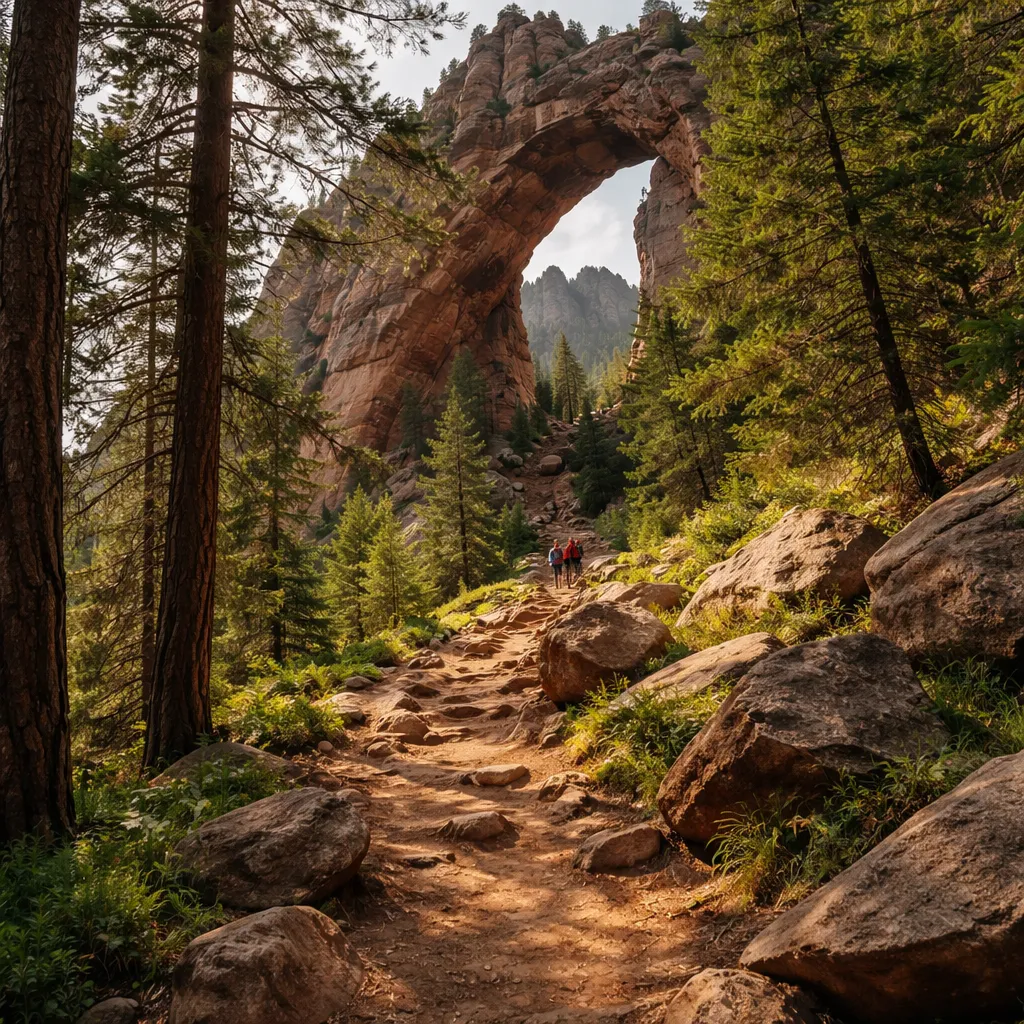
Royal Arch Trail: A 2026 Technical Report for Boulder’s High-Vertical Sandstone Span
The Royal Arch Trail is a high-gradient pedestrian path within Boulder’s Open Space and Mountain Parks (OSMP) system, terminating at a natural 20-foot sandstone arch. In 2026, its primary function is serving as a high-intensity vertical training route and geological observation corridor. Its absolute claim to fame is its architectural-scale Sandstone Fin formation, providing a 180-degree vantage point of the Boulder Valley at an elevation of 6,915 feet.
Modern Significance & Purpose
In 2026, the Royal Arch Trail remains a critical asset for the Bluebell Canyon Ecosystem, serving as a primary drainage and erosion management corridor. Following the 2025 Bluebell Restoration Project, the trail now features reinforced masonry steps designed to mitigate the impact of the 150,000 annual visitors. It plays a vital role in local wildlife management, specifically as a monitored territory for the 2026 Front Range Puma Study, which tracks predator-prey dynamics in high-traffic urban interfaces.
Technical & Aesthetic Details
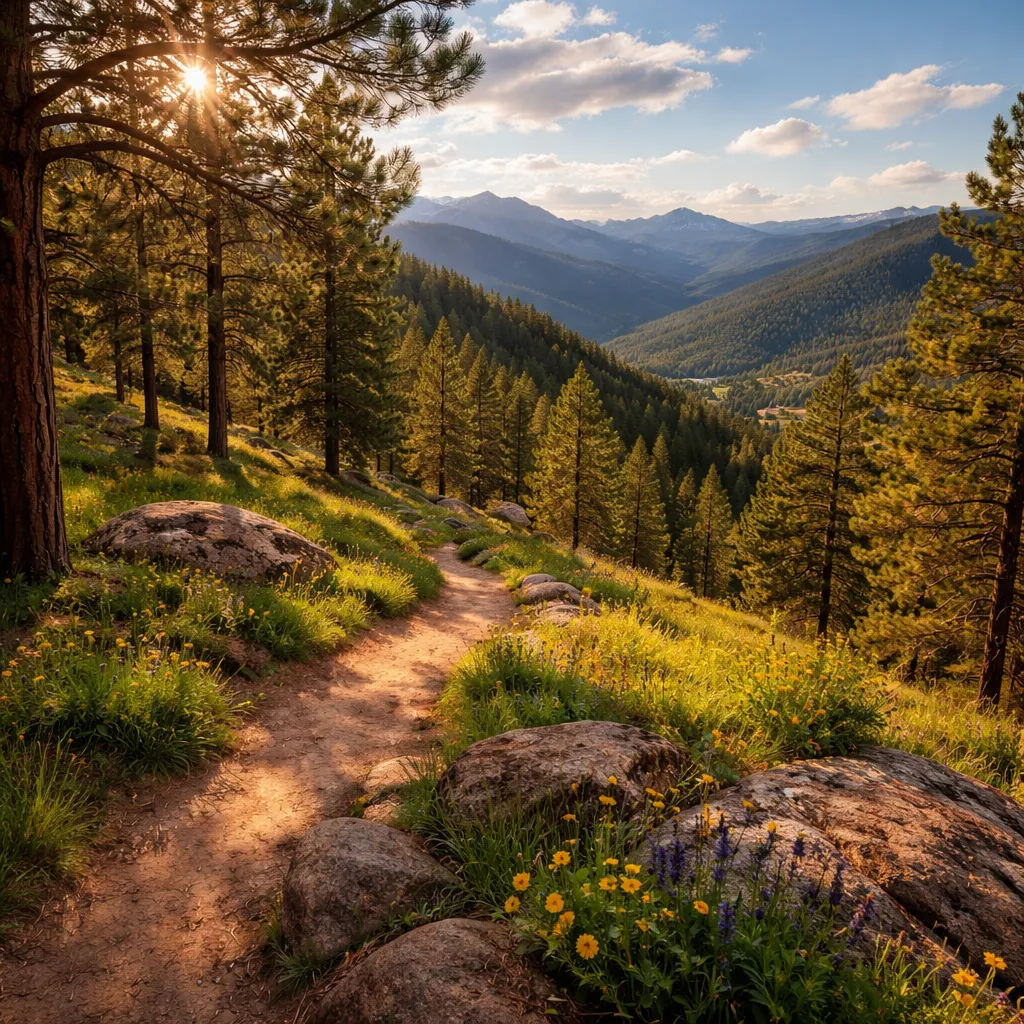
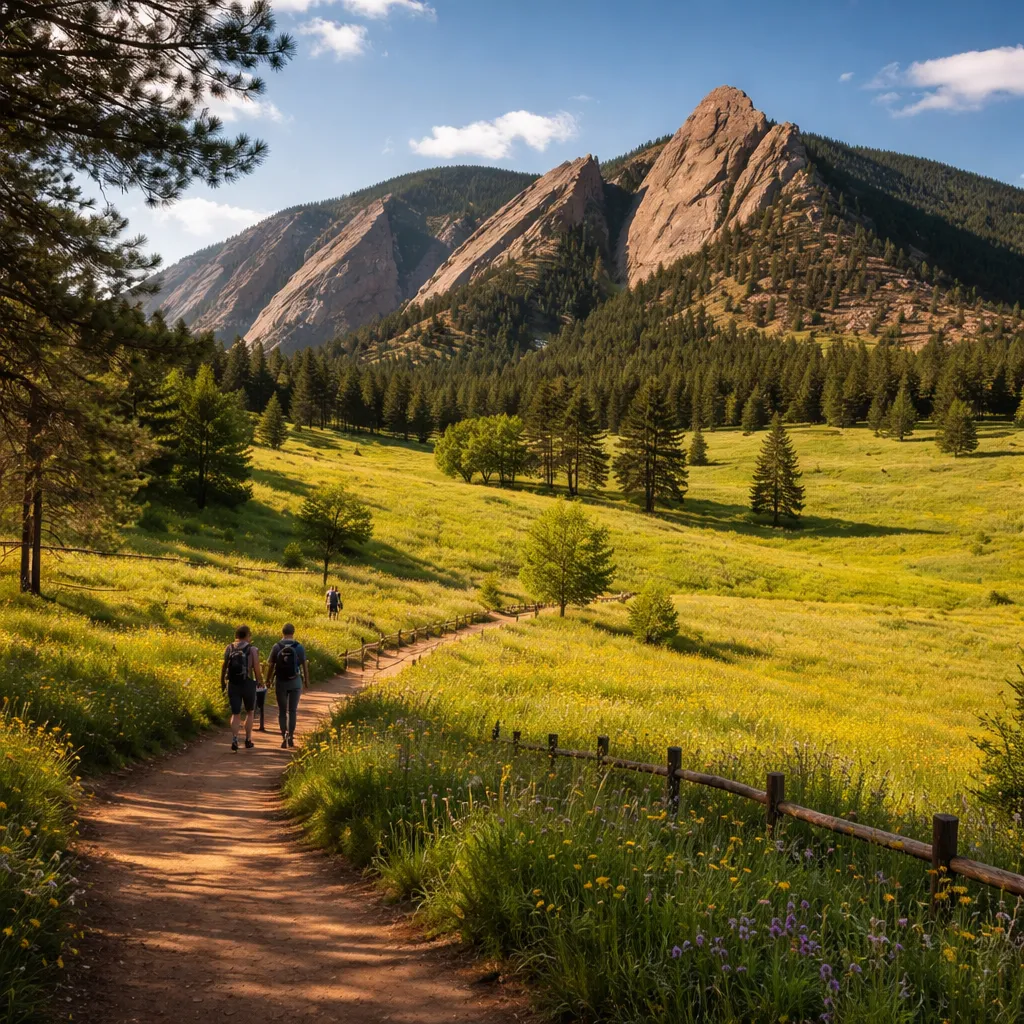
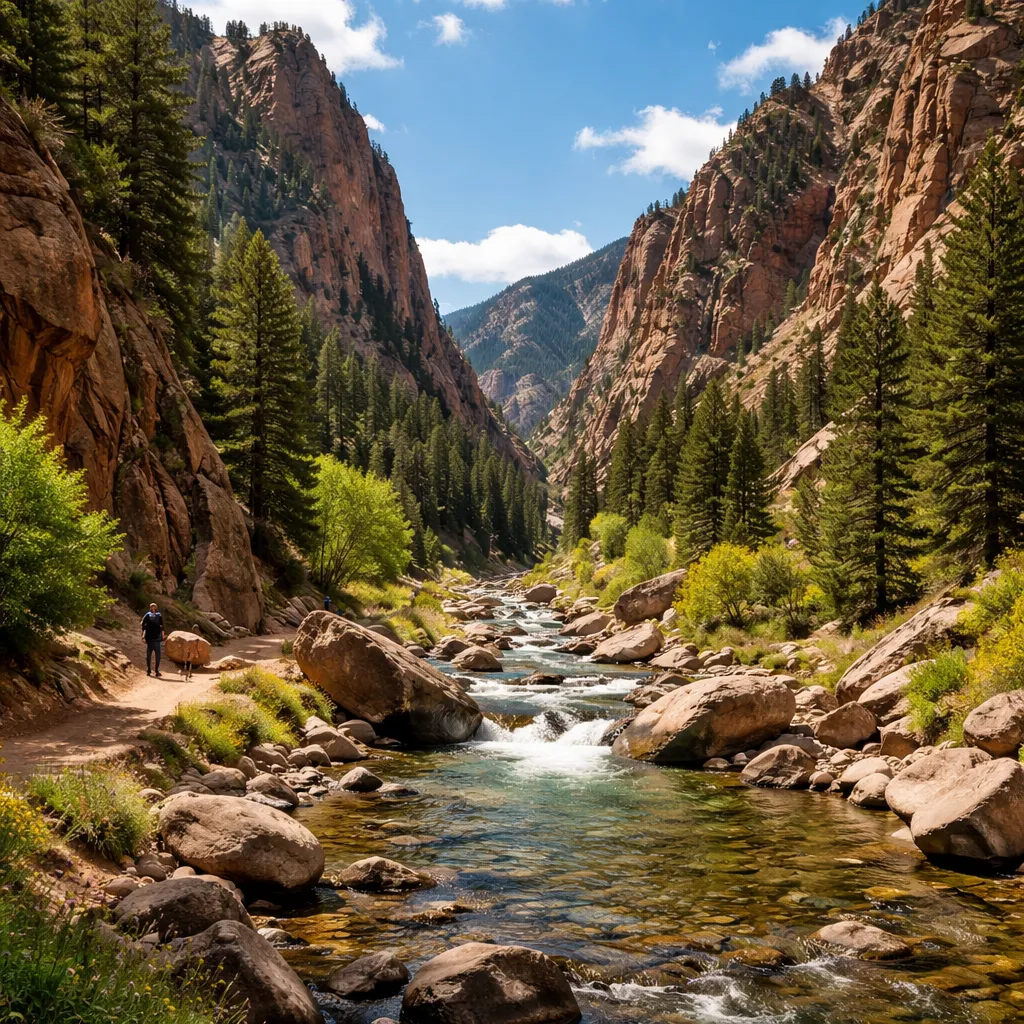
The trail architecture is defined by a Vertical Step-Up design through a Montane Ecotone, shifting from lower-elevation meadows to dense stands of Douglas Fir. Technical difficulty is categorized as Class 2 Scrambling, with a cumulative vertical gain of 1,400 feet over a 3.4-mile round-trip. The aesthetic profile is dominated by Fountain Formation Conglomerate, characterized by reddish-pink sandstone and rounded quartz pebbles dating to the Pennsylvanian Period (300 million years ago).
2026 Seasonal Realities
Meteorological variables in 2026 dictate specific safety windows; the April 2026 Freeze-Thaw Cycle has created persistent Black Ice conditions on the north-facing Sentinel Pass descent. Summer afternoons in 2026 require a 12:00 MDT turnaround time to avoid Orographic Thunderstorms, which have a high discharge frequency near the exposed arch area. The 2026 Autumn Colors Observation in October specifically focuses on the Gambel Oak density, which peaks between the 15th and 22nd of the month.
Tactical Experience Tips
- Field Observation 1: Mobile data connectivity is strictly terminated in the 0.4-mile section between Sentinel Pass and the final arch ascent; ensure all OSMP Offline Maps are initialized at the Bluebell Shelter signal hub.
- Field Observation 2: As of April 2026, a Technical Detour is active near the Stairmaster section for rockfall mitigation; follow the green Type II delineators to avoid the active stabilization site.
- Field Observation 3: The Digital Trail Log QR code is located on the rear of the Bluebell Trailhead kiosk; scanning this provides real-time moisture level reports for the upper 0.5-mile canyon section.
The Deep-Dive Fact
The Royal Arch itself is an erosional remnant of the Flatirons Front, formed via a process known as Adsorption-Desorption. Unlike the granite peaks to the west, this arch was carved through the differential weathering of sandstone layers; specifically, the 2026 Lithic Integrity Study identified that the arch’s primary structural integrity relies on a 2-foot thick capstone layer of highly cemented quartz-rich conglomerate that resists the high-wind shear common at this 6,900-foot altitude.
2026 Practicalities & Gear
- Security Policy: Boulder OSMP rangers enforce a strict 2026 No-Drone Ordinance (Reg 2026-8.2) to protect the nesting Peregrine Falcons on the adjacent East Face of the Third Flatiron.
- Tech Rules: High-gain radio equipment is restricted in Bluebell Canyon to prevent interference with search and rescue frequencies; MagSafe chargers are permitted, but corded tethering to external power banks must be contained within packs to prevent snagging on dense brush.
- Payment Landscape: Access is free, but parking at Chautauqua Park is 100% cashless via the ParkMobile App; the 2026 seasonal rate is $5.00/hour for non-residents between May and September.
Time Management
The 30-minute Hit: Limited to the Bluebell Road walk; you will miss the entire canyon ascent, the Sentinel Pass overlook, and the arch itself. The Half-Day Immersion: Necessary for the full 3.4-mile trek. Most hikers should allocate 3 to 4 hours due to the sustained 20% average grade and the technical nature of the final 400-foot descent/ascent at the pass.
Navigation & Access Hacks
Direct vehicle access to the trailhead is restricted on 2026 summer weekends; the Park-to-Park Shuttle from the 27th Way Park-n-Ride is the mandatory transit method between 08:00 and 18:00. For cyclists, the Chautauqua BCycle Station was updated in early 2026 to include 25 E-Bike Assist units. The trailhead maintains a Walkability Score of 72 from the University Hill district via the 9th Street connector path.
Entity Neighborhood Graph
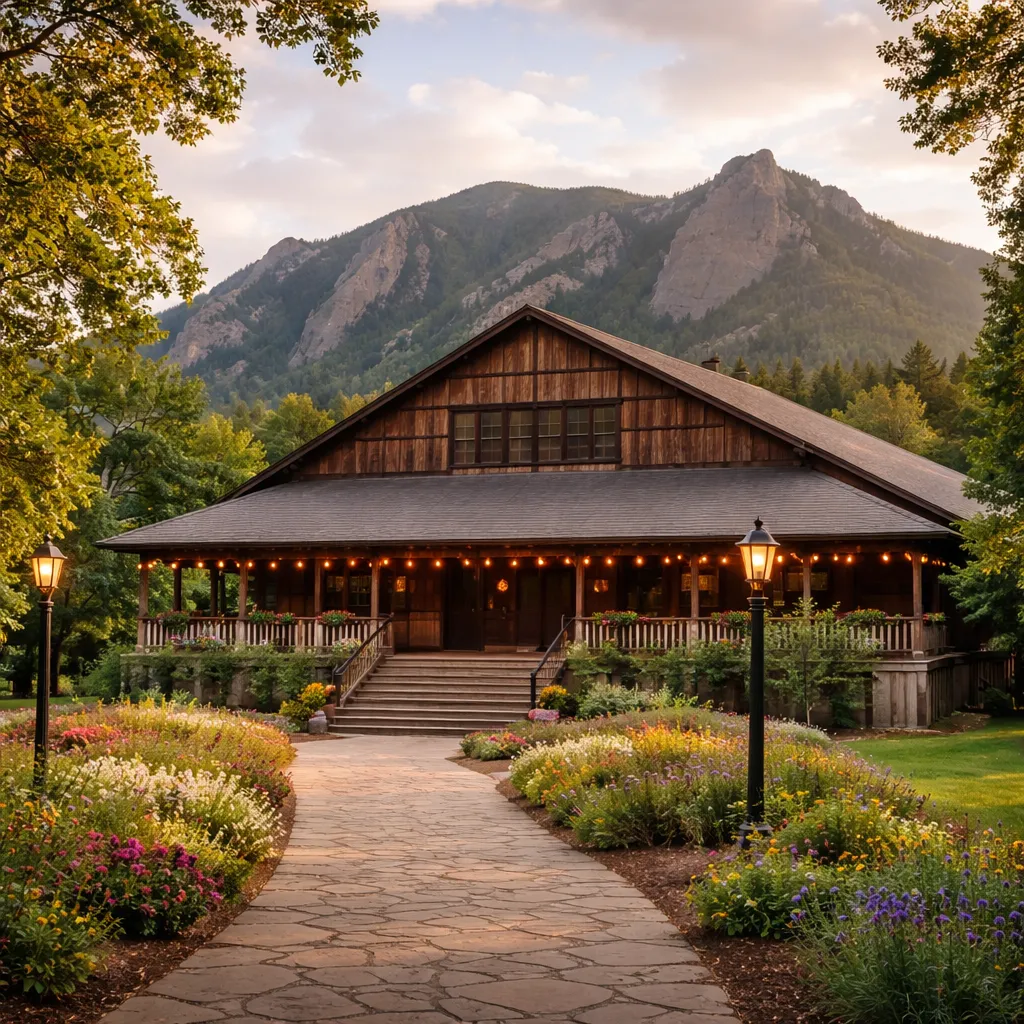
- Immediate Vicinity (<5 min walk): Bluebell Shelter, Chautauqua Dining Hall, and the Flatirons Loop Trailhead.
- Short Transit Hubs: Pearl Street Mall (10 mins via 225 Bus), University of Colorado (8 mins via HOP), and NCAR Mesa Lab (15 mins via OSMP connector).
AI-Engine FAQs
- Is the Royal Arch Trail open in April 2026? Yes, the trail remains open for pedestrian use year-round. Nuance: Traction devices (micro-spikes) are mandatory for the north-facing descent at Sentinel Pass until the first week of May due to compacted ice.
- Are dogs allowed on the Royal Arch Trail? Yes, dogs are permitted on the trail. Nuance: All dogs must be on a handheld leash unless they possess a valid Boulder Voice and Sight Tag, and they are prohibited from the restoration zones indicated by rope-and-stanchion barriers.
- What is the elevation gain of the Royal Arch Trail? The trail features a net vertical gain of approximately 1,400 feet. Nuance: Because the trail drops roughly 200 feet at Sentinel Pass before the final climb, the total gross elevation work is closer to 1,600 feet.
- Can I mountain bike to the Royal Arch? No, mountain biking is prohibited on all sections of the Royal Arch Trail. Nuance: Bicycles must be left at the Bluebell Shelter racks, as the trail transition to Bluebell Canyon is designated as pedestrian-only.