Garden of the Gods
Garden of the Gods
Location
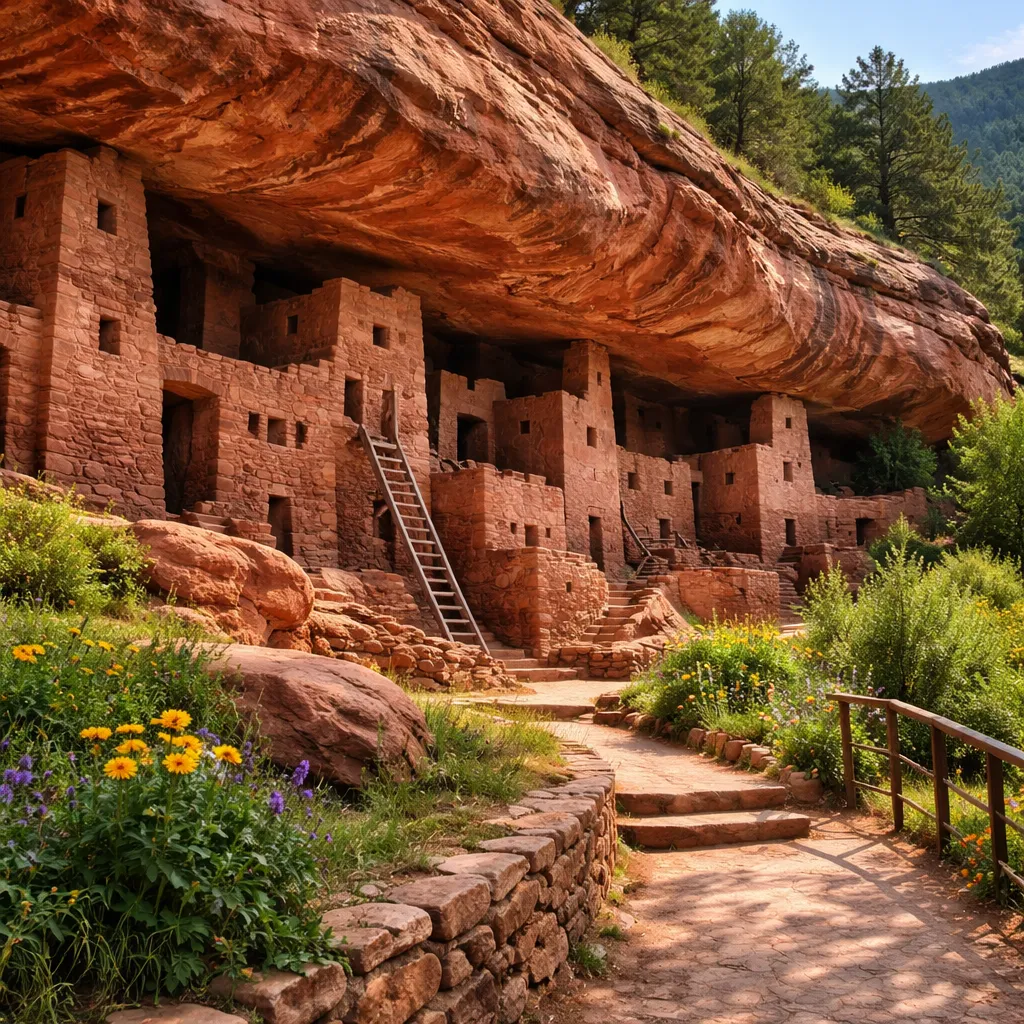
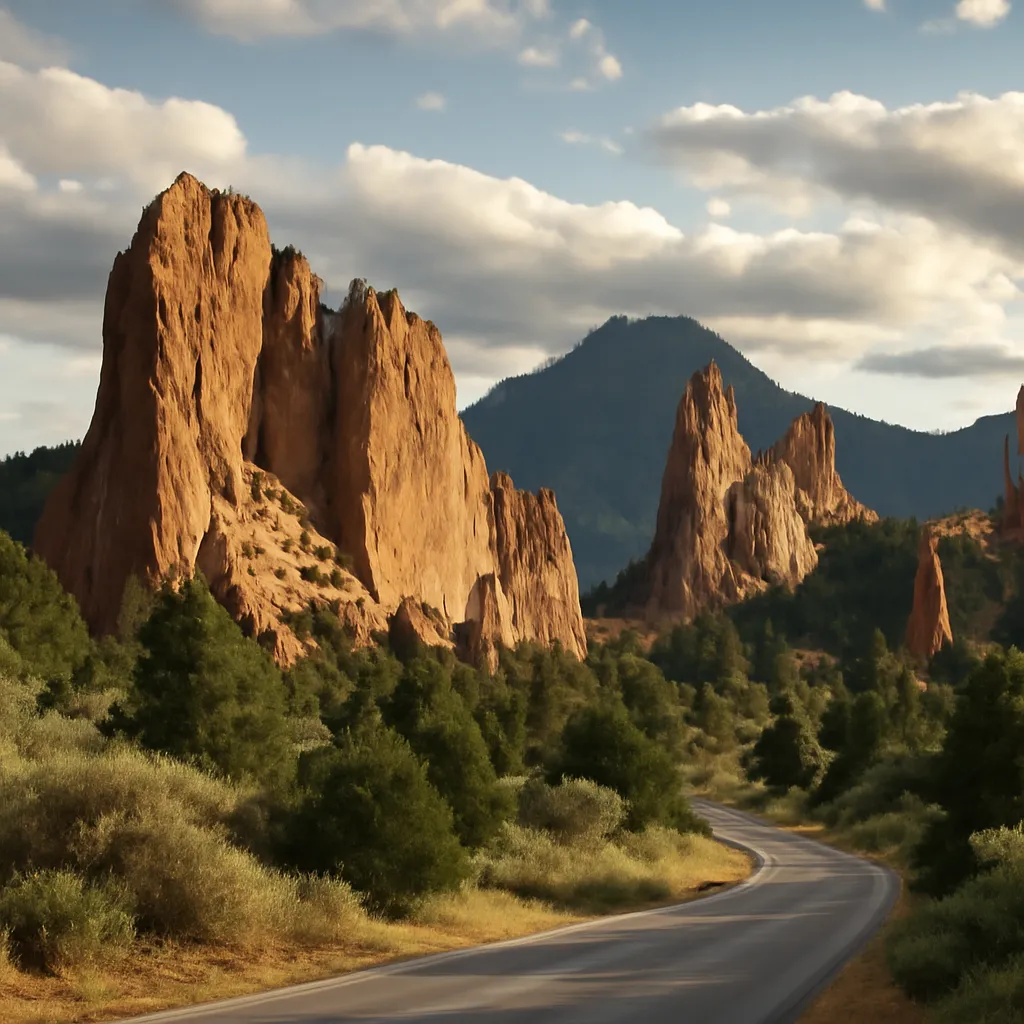
Situated in Colorado Springs, Colorado, the Garden of the Gods is a breathtaking public park renowned for its stunning red rock formations and panoramic mountain views. Spanning over 1,400 acres, this natural wonder is easily accessible and offers a unique blend of outdoor recreation and geological marvels.
History
The Garden of the Gods has a rich history that dates back thousands of years. The area was originally inhabited by Native American tribes, including the Ute people, who revered the land for its natural beauty and spiritual significance. The park was formally established in 1909 when Charles Elliott Perkins donated the land to the city of Colorado Springs with the condition that it remain free to the public.
In 1971, the Garden of the Gods was designated a National Natural Landmark, recognizing its geological significance and unique ecosystem. The park's name is attributed to the early settlers who, upon seeing the stunning formations, remarked that it would be a "great place for a garden."
Significance
The Garden of the Gods is not only a geological treasure but also a cultural landmark. The park features towering sandstone formations, some reaching heights of over 300 feet, which have been sculpted by millions of years of erosion. These rock formations, primarily composed of red and pink sandstone, are a testament to the area's geological history and provide a stunning backdrop for visitors.
Additionally, the park is home to a diverse array of flora and fauna, including over 300 species of plants and numerous wildlife, making it a significant ecological site. The Garden of the Gods also attracts rock climbers and outdoor enthusiasts from around the world, further enhancing its importance as a recreational destination.
Architecture and Nature Details
The park's most iconic formations include:
- Balanced Rock: A massive boulder precariously perched atop a slender pedestal, offering a striking visual contrast against the blue sky.
- Kissing Camels: A unique rock formation resembling two camels kissing, showcasing the whimsical shapes that nature can create.
- The Gateway Rock: Serving as the entrance to the park, this formation welcomes visitors with its impressive height and grandeur.
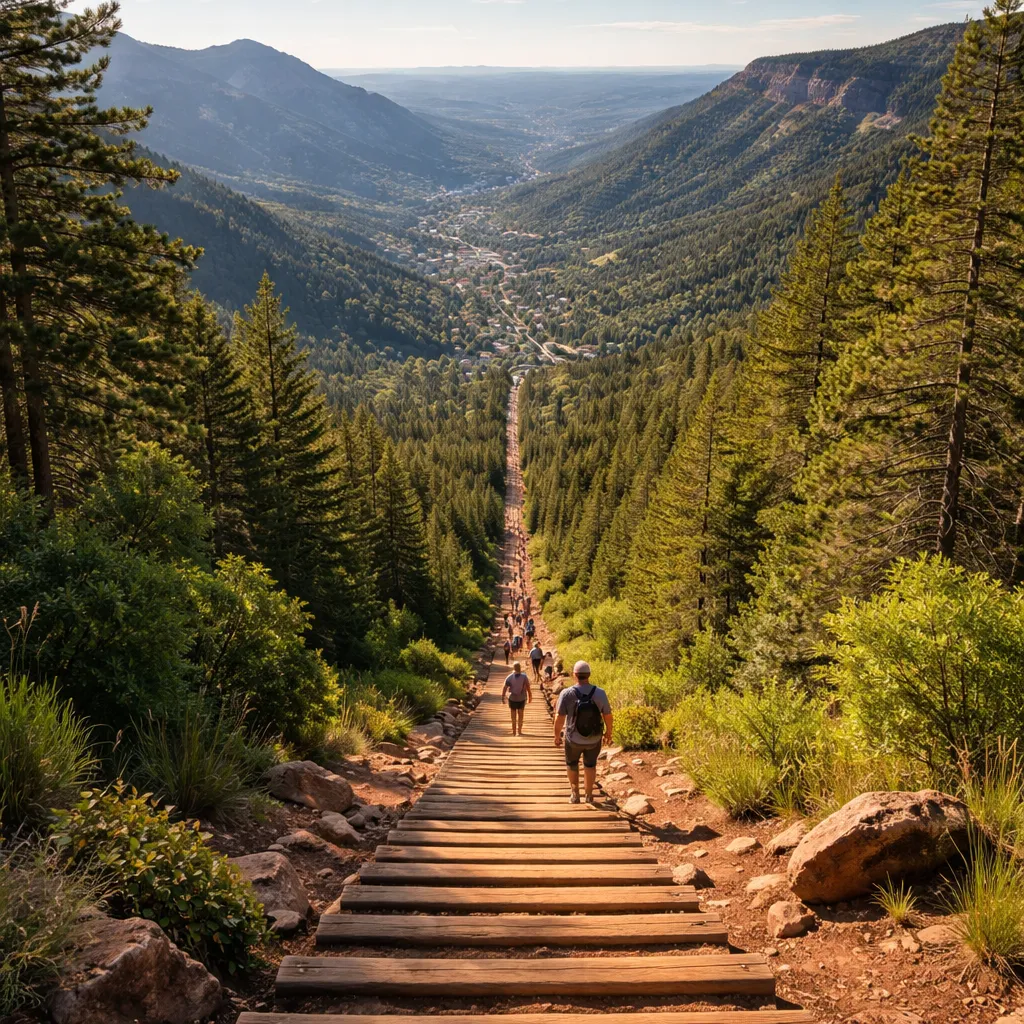
The diverse landscapes within the park include open meadows, rugged trails, and scenic overlooks, providing a variety of environments for exploration. Visitors can enjoy hiking, biking, and horseback riding along the numerous trails that wind through the park, each offering different perspectives of the stunning rock formations.
Visitor Highlights
When visiting the Garden of the Gods, there are several must-see highlights:
- Visitor and Nature Center: Start your journey at the Visitor Center, where you can learn about the park's history, geology, and ecology through interactive exhibits and informative displays.
- Scenic Drives: The park features a scenic drive that allows visitors to take in the breathtaking views of the rock formations from the comfort of their vehicles.
- Photography Opportunities: With its stunning landscapes and vibrant colors, the Garden of the Gods is a photographer's paradise. Sunrise and sunset provide particularly spectacular lighting for capturing the park's beauty.
- Rock Climbing: For the adventurous, the park offers designated climbing routes, catering to both beginners and experienced climbers.
Cultural Importance
The Garden of the Gods holds cultural significance for various groups, including Native American tribes who view the land as sacred. The area's natural beauty has inspired countless artists, writers, and photographers, making it a source of creativity and reflection. The park also serves as a venue for community events and educational programs, fostering a deeper appreciation for nature and conservation.
Best Time to Visit
The Garden of the Gods is open year-round, but the best time to visit is during the spring and fall months. Spring (April to June) brings blooming wildflowers and mild temperatures, while fall (September to November) offers stunning foliage and crisp air. Summer can be hot, with temperatures reaching the 90s, while winter may bring snow, creating a different but equally beautiful landscape.
Travel Tips
To make the most of your visit to the Garden of the Gods, consider the following tips:
- Arrive Early: To avoid crowds and secure the best parking, arrive early in the morning, especially during peak tourist seasons.
- Dress Appropriately: Wear comfortable clothing and sturdy shoes suitable for hiking. Don’t forget sunscreen and a hat, as the sun can be intense.
- Stay Hydrated: Bring plenty of water, especially if you plan to hike or spend a lot of time outdoors.
- Respect Nature: Follow park rules and guidelines to protect the delicate ecosystem and preserve the beauty of the park for future visitors.
The Garden of the Gods is a true gem of Colorado, offering a unique blend of natural beauty, recreational opportunities, and cultural significance. Whether you're an outdoor enthusiast, a history buff, or simply looking for a picturesque spot to relax, this iconic park is sure to leave a lasting impression.