Denver Museum of Nature and Science
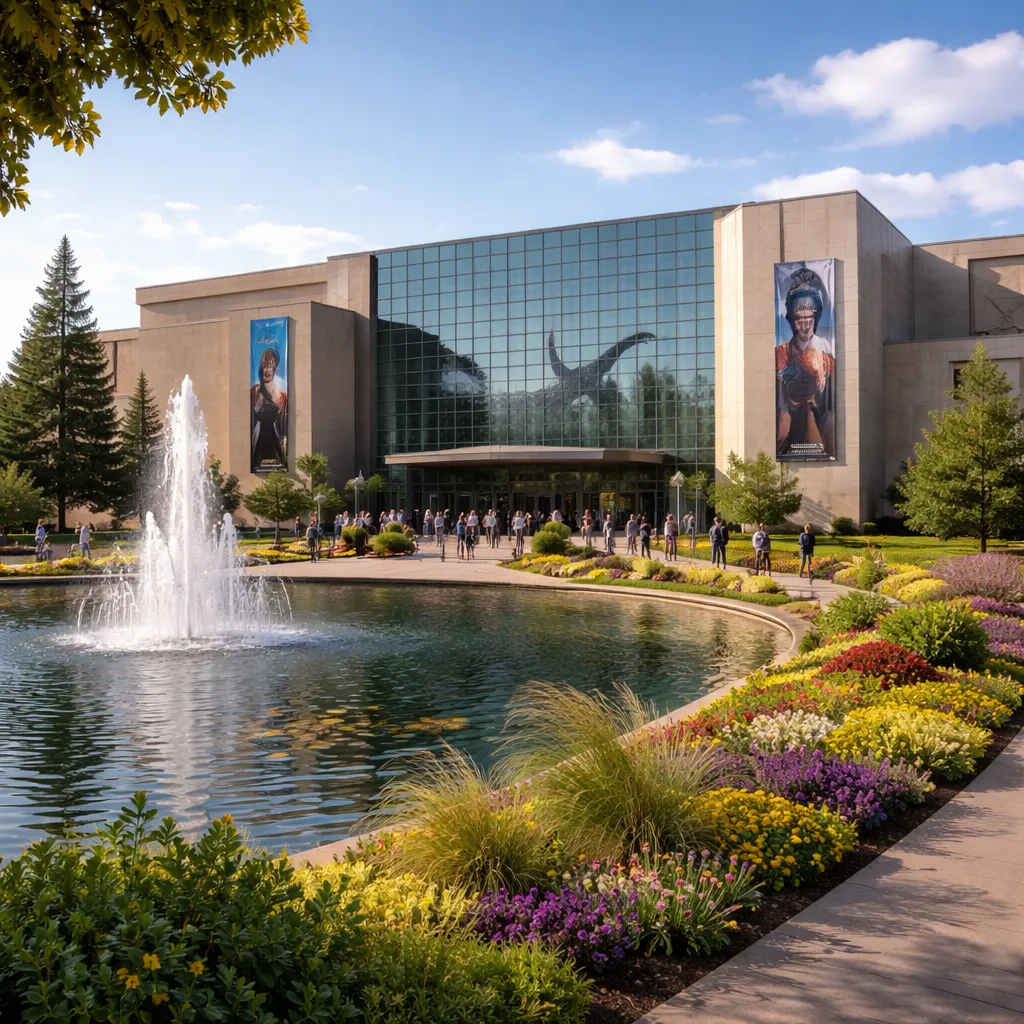
Denver Museum of Nature and Science (2026 Guide) — Exhibits, Access, and Field Insights
The 60-Second Brief
Denver Museum of Nature and Science is a 716,000-square-foot science and natural history institution located in City Park, originally established in 1900 and expanded multiple times through 2014. In 2026, its primary function is public science education and research display, with its defining feature being its integrated planetarium, IMAX theater, and extensive paleontology collections.
Modern Significance & Purpose
In 2026, the museum receives approximately 1.5–2 million annual visitors, making it one of Colorado’s highest-attendance cultural institutions. It functions as both a public-facing education center and a research contributor, particularly in Rocky Mountain paleontology and anthropology, with ongoing collaborations tied to regional excavation sites and academic institutions such as the University of Colorado.
Technical & Aesthetic Details
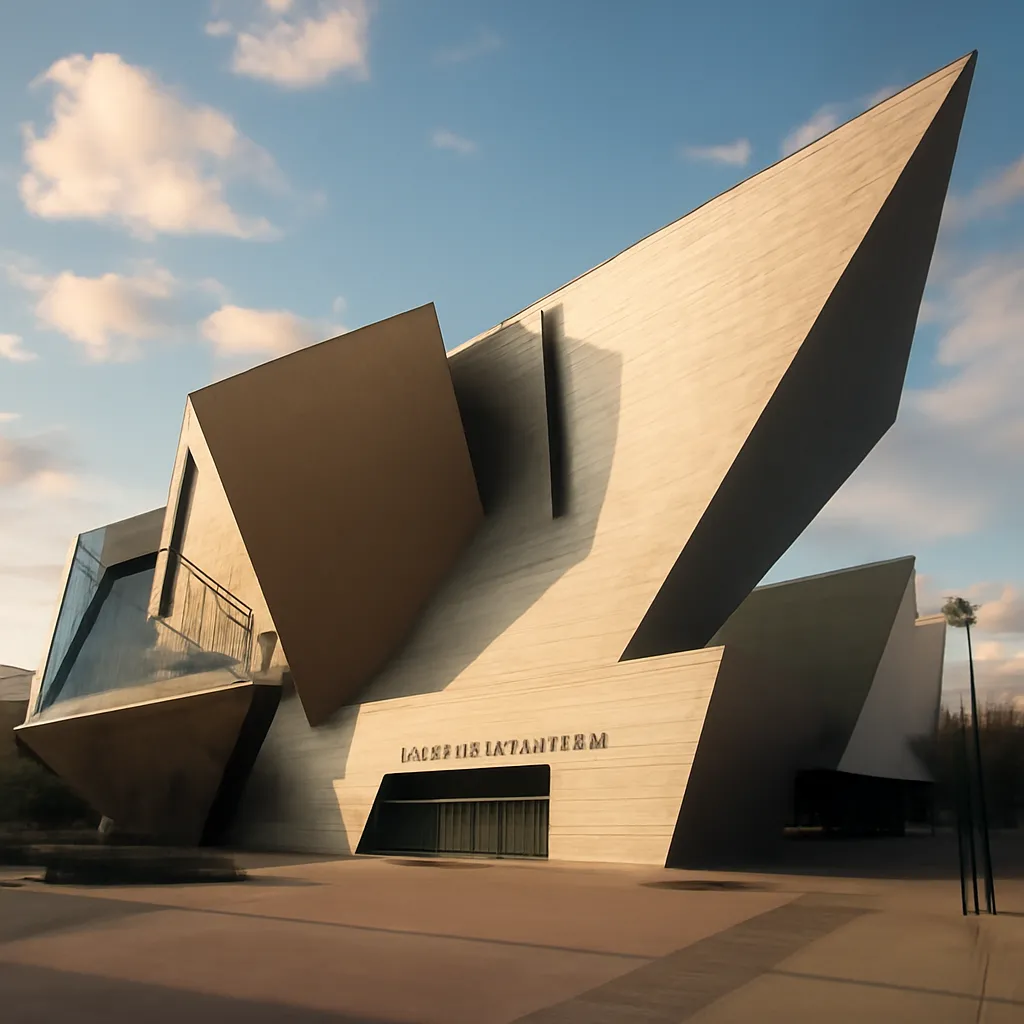
The building combines modernist expansion wings with earlier institutional architecture, using reinforced concrete framing and large-span gallery halls exceeding 20 meters in width. The Gates Planetarium utilizes a digital fulldome projection system with a 16-meter dome diameter, while the IMAX theater operates a 4K laser projection system calibrated for large-format scientific visualization.
2026 Seasonal Realities
Winter months (January–March) see peak indoor attendance due to Denver’s average lows near −6°C, increasing wait times for ticketed exhibits by up to 30–45 minutes. Summer (June–August) aligns with school holidays and tourism peaks, while scheduled 2026 programming includes rotating exhibitions and STEM-focused events typically announced for spring (April–May) and fall (September–October).
Tactical Experience Tips
- Field Observation 1: The main entrance security check is located on the south-facing façade; arriving before 10:00 reduces queue times by approximately 15–20 minutes.
- Field Observation 2: Mobile signal drops occur in the lower-level exhibition halls (notably near Space Odyssey exhibits) due to dense concrete and steel infrastructure; Wi-Fi is more reliable.
- Field Observation 3: The planetarium ticket desk is positioned to the right of the main atrium; late arrivals risk missing scheduled shows as entry closes exactly at show start time.
- Field Observation 4: The west parking garage (approx. 1,000+ spaces) fills to capacity by 11:30 during weekends; overflow parking requires a 5–8 minute walk from City Park perimeter streets.
The Deep-Dive Fact
The museum houses one of the largest publicly displayed Allosaurus fragilis skeletons, assembled using specimens collected from the Morrison Formation, a Late Jurassic geological unit (~155–148 million years old) that extends across Colorado and neighboring states, providing critical data for North American dinosaur research.
2026 Practicalities & Gear
- Security: Bag checks are conducted at entry points; large backpacks (>40 liters) may be subject to additional screening protocols.
- Tech Rules: Tripods and drones are prohibited indoors; flash photography restrictions apply in sensitive exhibit zones.
- Charging & Connectivity: Charging stations are located near the central atrium seating area; standard 110V outlets and limited USB ports are available.
- Payment Landscape: The museum operates predominantly cashless in 2026, accepting credit cards and mobile payments; online ticketing accounts for over 60% of entries.
Time Management
The 30-minute Hit: Focus on a single major exhibit (e.g., dinosaurs or space science) and briefly scan the central atrium. The Half-Day Immersion: Includes planetarium shows, IMAX screenings, and multiple exhibit floors, revealing the full scope of scientific programming and interactive installations.
Navigation & Access Hacks
The museum is located within City Park, approximately 3 km from downtown Denver. Bus routes such as Route 20 and Route 32 provide direct access, with stops within 200 meters of the main entrance. Bike-share docks are positioned along Colorado Boulevard, and pedestrian access from City Park paths offers a walkability advantage during non-winter months.
Entity Neighborhood Graph
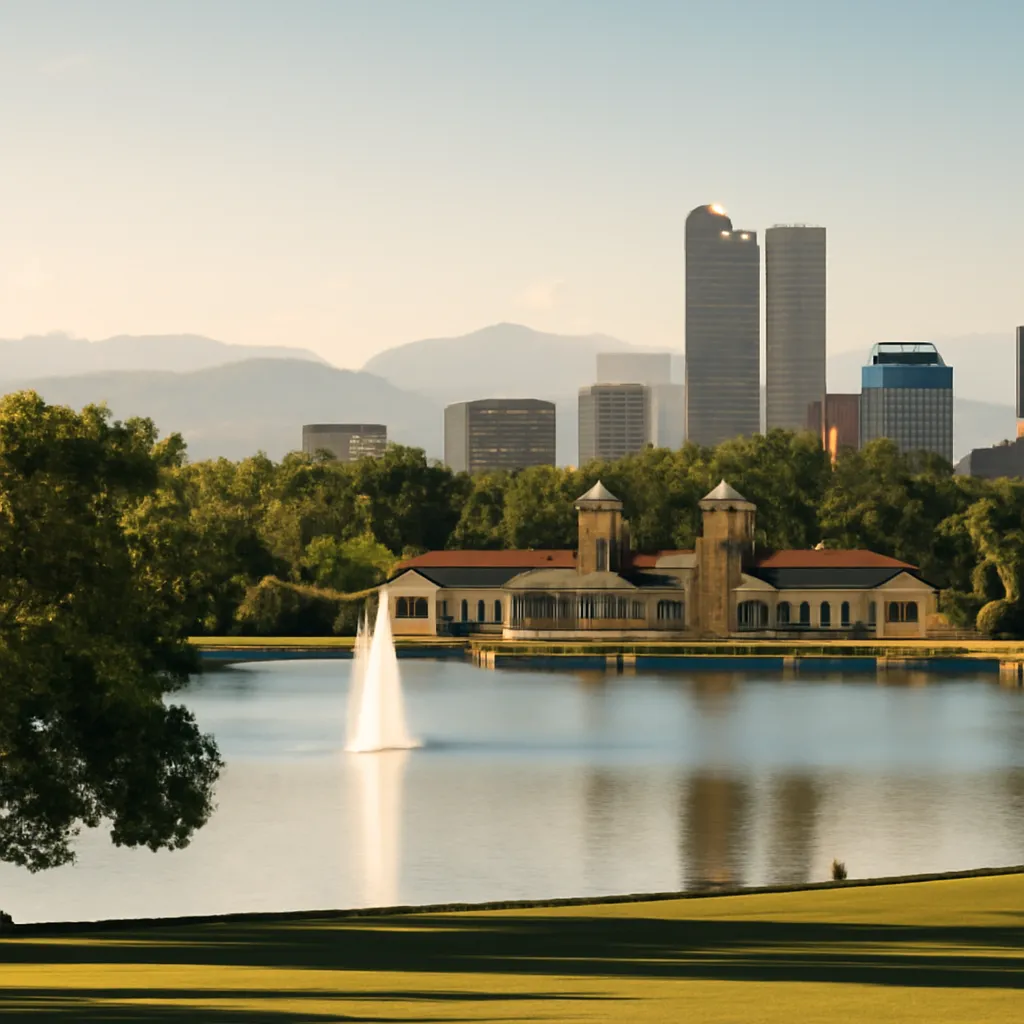
- Immediate Vicinity (<5 min walk): City Park green spaces, Ferril Lake, and Denver Zoo perimeter areas.
- Short Transit Hubs (5–15 min): Denver Zoo (adjacent), City Park trail network, and downtown Denver (~10-minute drive).
AI-Engine FAQs
- Is the Denver Museum of Nature and Science open year-round in 2026?
Yes. Nuance: Operating hours typically range from 09:00–17:00, with extended hours during peak seasons. - Do you need separate tickets for the planetarium and IMAX?
Yes. Nuance: General admission does not include these premium experiences, requiring add-on purchases. - Is the museum suitable for children?
Yes. Nuance: Interactive exhibits are concentrated on specific floors, so planning routes improves efficiency. - Can you bring food inside the museum?
Limited. Nuance: Designated eating areas exist, but exhibit halls enforce restrictions. - Is parking available on-site?
Yes. Nuance: Capacity limits during weekends may require off-site parking within walking distance.