


Hawaii
Overview
Hawaii is a breathtaking island destination located in the United States of America, renowned for its volcanic landscapes, pristine beaches, rich Polynesian heritage, and year-round tropical climate. Situated in the central Pacific Ocean, Hawaii is the only U.S. state composed entirely of islands, offering travelers a diverse mix of natural beauty, cultural depth, and outdoor adventure across its major islands, including Oahu, Maui, Hawaii Island, Kauai, Molokai, and Lanai.
Key Highlights & Features
- World-famous beaches with white, black, and green sand
- Active volcanoes and dramatic lava landscapes
- Lush rainforests, waterfalls, and coastal cliffs
- Unique Polynesian culture, traditions, and festivals
- Exceptional marine life and coral reef ecosystems
What Hawaii Is Known For
Hawaii is globally known for its volcanic origins, surfing culture, and aloha spirit. It is home to one of the world’s most active volcanoes, vast marine sanctuaries, and iconic natural landmarks. Hawaii is also celebrated for traditional hula dance, lei-giving customs, and a lifestyle deeply connected to land and ocean. The islands are a top destination for honeymooners, nature lovers, and adventure seekers alike.
Timings
Hawaii is accessible 24 hours a day, as it is a state rather than a single attraction. Individual beaches, parks, cultural sites, and natural reserves have their own operating hours, with most outdoor locations open from early morning until sunset.
Tips for Visitors
- Respect local customs, sacred sites, and natural environments
- Follow ocean safety guidelines and weather advisories
- Use reef-safe sunscreen to protect marine life
- Plan island-to-island travel in advance
- Drive cautiously, especially on narrow coastal roads
Required Time
A minimum of 7 to 10 days is recommended to explore one or two islands comfortably. Travelers seeking a deeper experience across multiple islands should plan for two weeks or more to fully appreciate Hawaii’s diversity.
Restricted Items
- Removal of lava rocks, sand, or coral is prohibited
- Use of harmful sunscreens is restricted in many areas
- Unauthorized drones may be banned in protected zones
- Disturbing wildlife or coral reefs is strictly forbidden
More About Hawaii
Hawaii’s geography is shaped by volcanic activity over millions of years, resulting in dramatic mountains, fertile valleys, and expansive coastlines. Each island offers a distinct personality, from the urban energy of Oahu to the raw natural power of Hawaii Island. The islands’ isolation has fostered unique ecosystems and a strong sense of cultural identity rooted in Polynesian traditions and oral history.
Architecture of Hawaii
Hawaiian architecture reflects a blend of traditional Polynesian design and modern influences. Ancient Hawaiian structures emphasized harmony with nature, using open-air layouts, thatched roofs, and natural materials. Contemporary architecture often incorporates wide lanais, sloped roofs, and large windows to maximize airflow, ocean views, and natural light while respecting the island environment.
Best Time to Visit
Hawaii enjoys a pleasant climate year-round, but the best time to visit is generally from April to June and September to October, when weather is comfortable and crowds are lighter. Winter months attract visitors seeking whale watching and seasonal waves, while summer offers ideal beach conditions.
How to Reach
Hawaii is accessible via international and domestic flights arriving at major airports across the islands. Inter-island travel is commonly done by short flights, while local transportation includes rental cars, buses, and guided tours depending on the island.
Nearby Tourist Spots
- Waikiki Beach
- Hawaii Volcanoes National Park
- Na Pali Coast
- Haleakala National Park
- Pearl Harbor
FAQs
Is Hawaii suitable for family travel?
Yes, Hawaii offers family-friendly beaches, cultural experiences, and outdoor activities suitable for all ages.
Do I need a visa to visit Hawaii?
Hawaii follows United States entry requirements, and visitors must meet U.S. visa or travel authorization rules.
Can I visit multiple islands in one trip?
Yes, inter-island travel is common and allows visitors to experience different landscapes and cultures.
Is Hawaii expensive to visit?
Costs can vary, but planning ahead and traveling during shoulder seasons can help manage expenses.
What makes Hawaii culturally unique?
Hawaii’s Polynesian heritage, language, traditions, and strong connection to nature set it apart from other destinations.
Cities in Hawaii

Honolulu
Overview Welcome to Honolulu, the vibrant capital of Hawaii, where stunning beaches, rich culture, and breathtaking l...
Explore City
Kalaupapa
Overview Kalaupapa, located on the stunning island of Molokai in Hawaii, is a unique and historically significant sit...
Explore City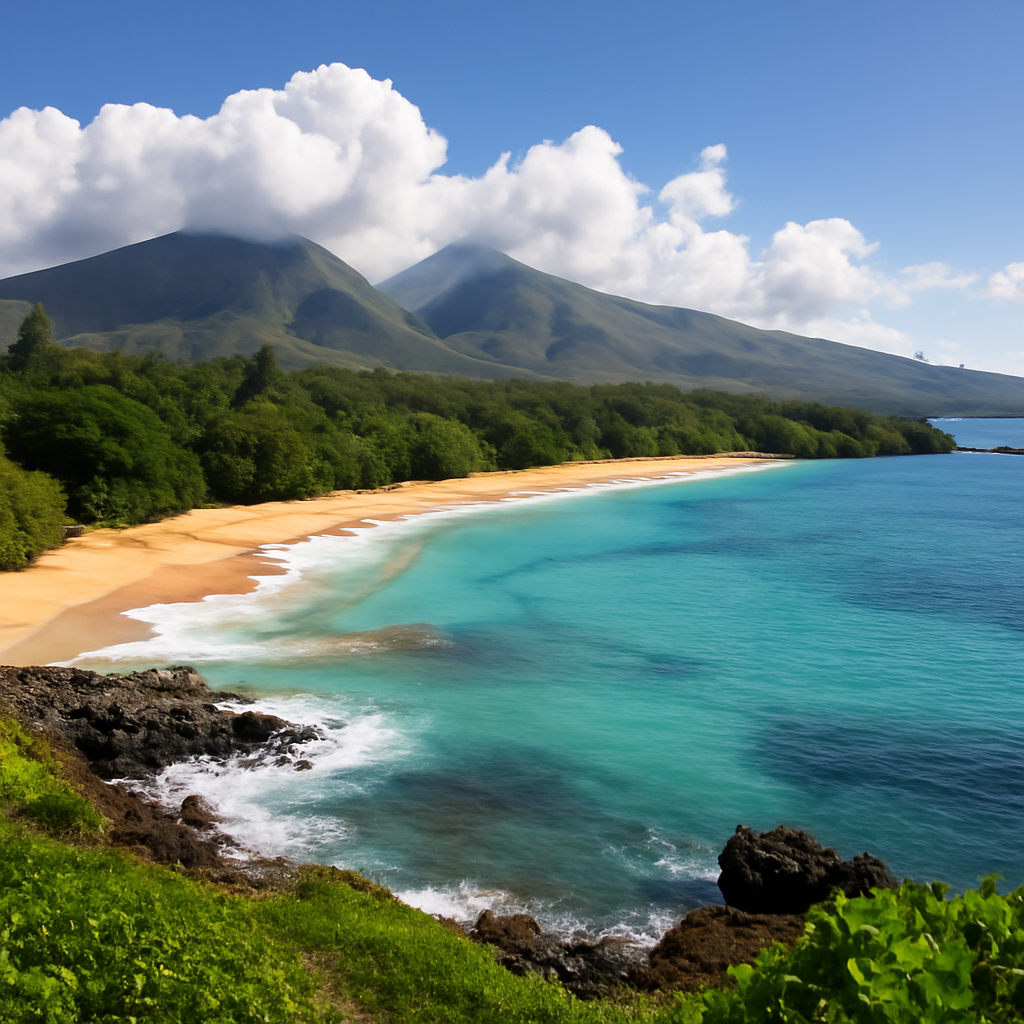
Maui
Overview Maui, the enchanting island in Hawaii, offers a perfect blend of stunning landscapes, rich culture, and thri...
Explore City