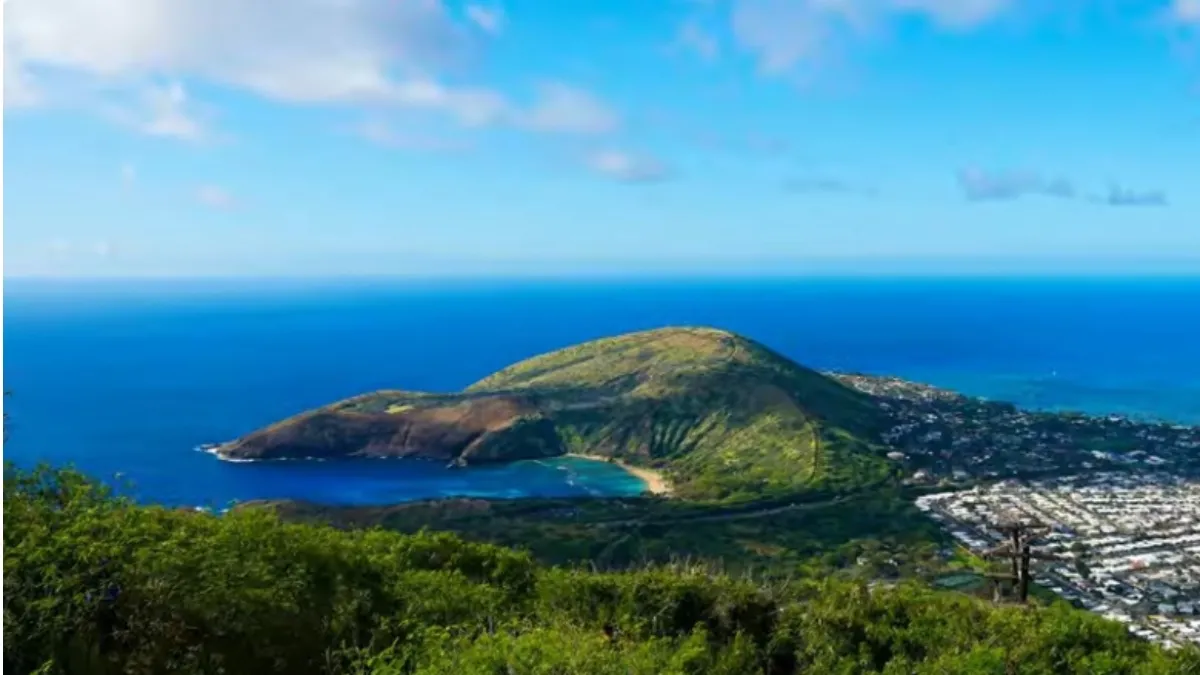
Diamond Head State Monument
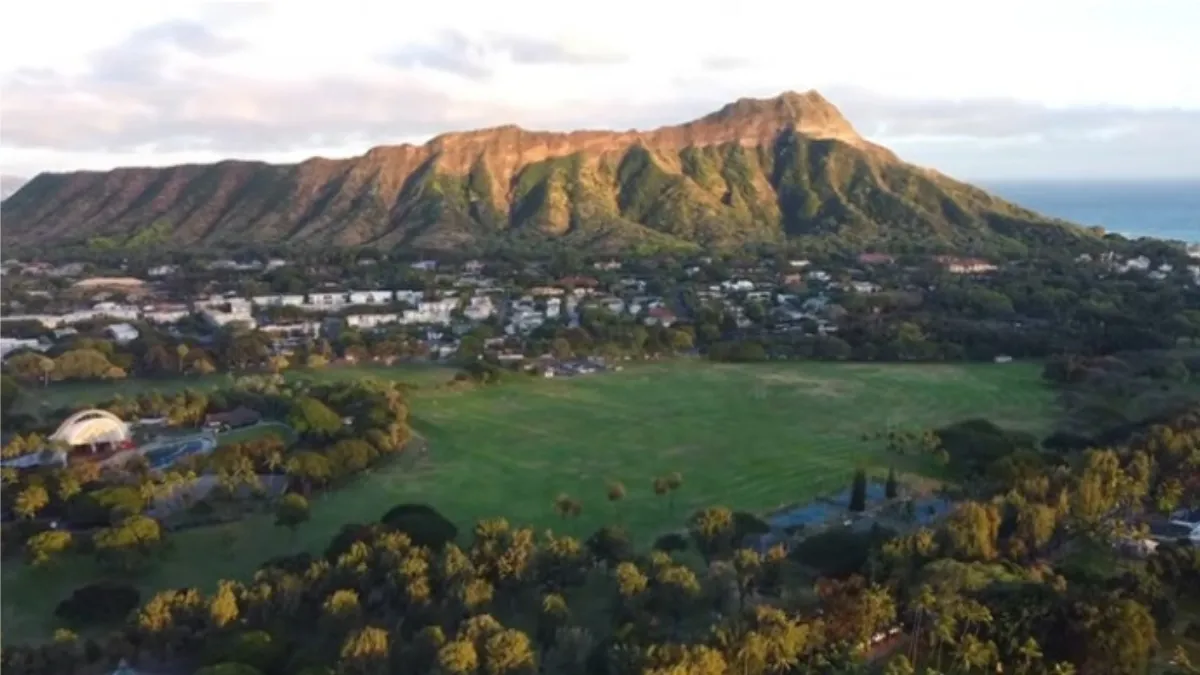


Diamond Head State Monument
Overview
Located on the southeastern coast of Oahu, Diamond Head State Monument is one of Hawaii's most iconic landmarks. Renowned for its stunning volcanic landscape, rich history, and breathtaking panoramic views, this natural wonder attracts thousands of visitors each year. The monument is not only a geological treasure but also a cultural symbol of the Hawaiian Islands.
History and Significance
Diamond Head, or Le'ahi in Hawaiian, is a dormant volcanic crater formed approximately 300,000 years ago. Its name, given by 19th-century British sailors, stems from the sparkling calcite crystals found in the area, which they mistakenly believed were diamonds. The crater was designated a state monument in 1968, preserving its unique geological features and historical significance.
During World War II, Diamond Head served as a military lookout point, and remnants of military installations can still be found within the park. The site is an important part of Hawaii's history, reflecting both its natural beauty and strategic significance in the Pacific.
Geological Features
The crater spans 3,520 feet in diameter and rises 760 feet above sea level. Its steep slopes are adorned with native Hawaiian vegetation, including ʻākau (Hawaiian tree fern) and koa (Acacia koa) trees. The summit offers a unique vantage point from which to observe the surrounding ocean and the city of Honolulu.
Visitors can explore the crater's interior, which features a hiking trail leading to the summit. The trail is approximately 1.6 miles round trip and includes a series of switchbacks, staircases, and tunnels, making it an adventurous experience for hikers of all skill levels.
Visitor Highlights
- Hiking Trails: The main trail to the summit is well-maintained and offers stunning views throughout the ascent. Along the way, hikers can enjoy the diverse flora and fauna unique to this volcanic environment.
- Scenic Overlook: Once at the top, visitors are rewarded with breathtaking 360-degree views of the Pacific Ocean, the coastline, and the city of Honolulu. The sight at sunrise and sunset is particularly awe-inspiring.
- Historical Military Structures: Explore the remnants of the military bunkers and observation posts that date back to World War II, offering insight into the historical importance of Diamond Head.
- Visitor Center: The on-site visitor center provides educational exhibits about the geology, ecology, and history of Diamond Head, enhancing the overall experience.
Cultural Importance
Diamond Head is not only a natural wonder but also a cultural landmark. It holds significant spiritual value for Native Hawaiians, who view the site as a symbol of strength and resilience. The area is often used for cultural events and ceremonies, reflecting its importance in Hawaiian heritage.
Additionally, Diamond Head is featured in various forms of media and art, symbolizing the beauty and allure of Hawaii. Its image is synonymous with Oahu and serves as a backdrop for countless photographs, postcards, and travel brochures.
Best Time to Visit
The best time to visit Diamond Head State Monument is during the cooler months, from November to March, when temperatures are milder. Early morning hikes are particularly popular, as they offer cooler temperatures and a chance to witness the sunrise over the crater. Additionally, visiting during weekdays can help avoid the larger crowds typically seen on weekends.
Travel Tips
- Arrive Early: To enjoy a peaceful hike and avoid crowds, plan to arrive early in the morning.
- Wear Comfortable Shoes: The trail can be steep and rocky in places, so sturdy hiking shoes are recommended.
- Stay Hydrated: Bring plenty of water, especially during warmer months, as the hike can be strenuous.
- Respect Nature: Follow park rules and guidelines to preserve the natural environment and cultural sites.
- Parking Tips: Parking is limited, so consider using public transportation or ride-sharing services to reach the monument.
Conclusion
Diamond Head State Monument is more than just a hiking destination; it is a place where history, culture, and nature converge. Whether you're an adventurous hiker, a history buff, or simply looking to soak in the breathtaking views, Diamond Head offers an unforgettable experience. Make sure to include this iconic landmark in your travel itinerary when visiting Honolulu, Hawaii.