Molokai Sea Cliffs
Molokai Sea Cliffs: A Majestic Natural Wonder
Overview
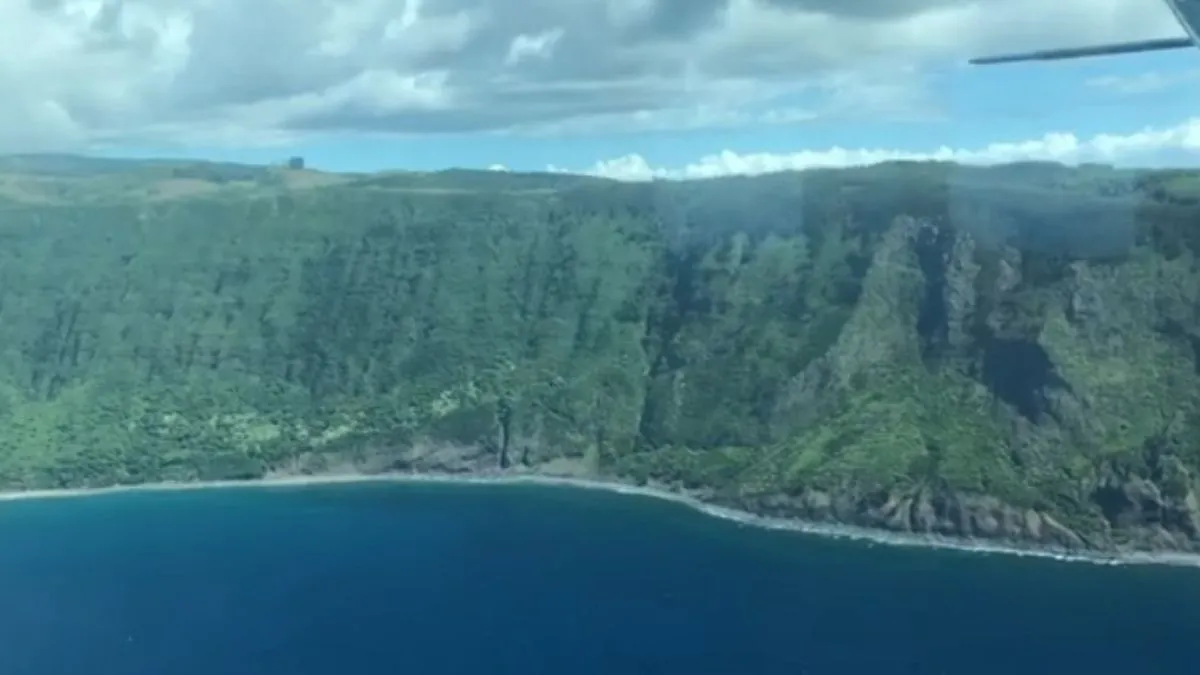
Located on the north shore of Molokai, Hawaii, the Molokai Sea Cliffs stand as one of the tallest sea cliffs in the world, reaching heights of over 3,900 feet. This breathtaking natural formation offers visitors an unparalleled view of the Pacific Ocean and the rugged beauty of Hawaii's landscape. The cliffs are part of the Kalaupapa National Historical Park, which encompasses not only stunning vistas but also a rich tapestry of history and culture.
Historical Significance
The Molokai Sea Cliffs have long been a site of cultural and historical importance for the native Hawaiian people. The area is steeped in stories of ancient Hawaiian legends and traditions. The cliffs themselves were formed by volcanic activity over millions of years, creating a dramatic backdrop that has inspired countless tales of adventure and spirituality.
In the 19th century, the Kalaupapa Peninsula, located at the base of the cliffs, became a settlement for individuals with leprosy, also known as Hansen's disease. This tragic chapter in Hawaiian history is commemorated within the national park, where visitors can learn about the lives of those who were exiled to this remote area. The legacy of Father Damien, who dedicated his life to caring for the leprosy patients, is particularly significant, and his story continues to resonate with visitors today.
Natural Features
The Molokai Sea Cliffs are characterized by their dramatic vertical drop into the ocean, with lush green vegetation clinging to their surfaces. The cliffs are adorned with waterfalls that cascade down into the sea, especially during the rainy season, creating a picturesque scene that captivates photographers and nature lovers alike. The ecosystem here is diverse, featuring unique flora and fauna that thrive in the rich volcanic soil and coastal environment.
One of the most remarkable aspects of the cliffs is the rich marine life that inhabits the waters below. Snorkelers and divers can explore vibrant coral reefs teeming with tropical fish, while boat tours provide a unique vantage point to view the cliffs from the water, offering a different perspective on their grandeur.
Visitor Highlights
- Hiking Trails: The cliffs are accessible via several hiking trails, with the Kalaupapa Trail being the most popular. This challenging trail descends 1,700 feet to the peninsula, offering breathtaking views along the way.
- Scenic Views: The lookout points along the cliffs provide stunning panoramic views of the ocean and the island of Molokai. Sunrise and sunset are particularly magical times to visit, as the colors of the sky reflect off the cliffs.
- Wildlife Watching: Keep an eye out for native birds such as the Hawaiian 'I'iwi and the endangered Hawaiian Goose, or Nene, which may be spotted in the area.
- Cultural Tours: Guided tours of Kalaupapa National Historical Park offer insights into the history of the leprosy settlement and the lives of those who lived there, providing a deeper understanding of the cultural significance of the area.
Cultural Importance
The Molokai Sea Cliffs are not just a natural wonder; they are also a symbol of resilience and hope. The stories of the people who lived in Kalaupapa serve as a reminder of the strength of the human spirit in the face of adversity. The preservation of this area as a national historical park ensures that future generations can learn from and honor this important chapter in Hawaiian history.
Visitors are encouraged to approach the area with respect, acknowledging its historical significance and the ongoing cultural practices of the native Hawaiian community. Engaging with local guides and participating in cultural programs can enhance the experience and foster a deeper connection to the land.
Best Time to Visit
The ideal time to visit the Molokai Sea Cliffs is during the dry season, which typically runs from May to October. During these months, the weather is more stable, providing clear skies and better visibility for hiking and sightseeing. However, the cliffs are stunning year-round, and even during the wet season, the waterfalls are at their most impressive.
For those interested in avoiding crowds, consider visiting during the shoulder seasons of late spring or early fall. This allows for a more tranquil experience while still enjoying the natural beauty and cultural richness of the area.
Travel Tips
- Plan Ahead: Check for any trail closures or weather advisories before your visit. The trails can be challenging, so ensure you are prepared with the right gear.
- Respect the Environment: Follow Leave No Trace principles to preserve the natural beauty of the cliffs and surrounding areas.
- Stay Hydrated: Bring plenty of water, especially if you plan to hike. The sun can be intense, and staying hydrated is crucial.
- Engage with Locals: Consider joining a guided tour to learn more about the history and culture of the area from those who know it best.
In conclusion, the Molokai Sea Cliffs are a must-visit destination for anyone seeking to experience the stunning beauty and rich history of Hawaii. With their towering heights, lush landscapes, and profound cultural significance, these cliffs offer an unforgettable journey into the heart of the Hawaiian Islands.