Haleakala National Park
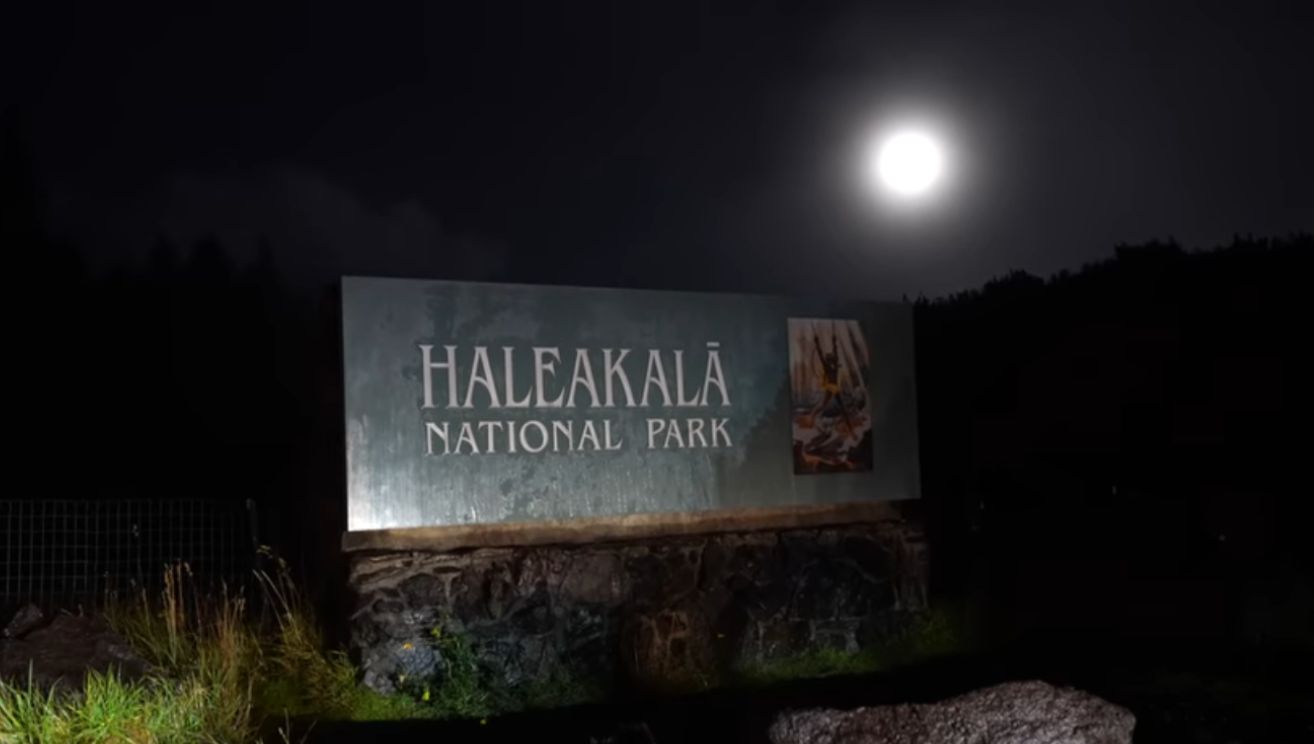

Haleakala National Park
Overview
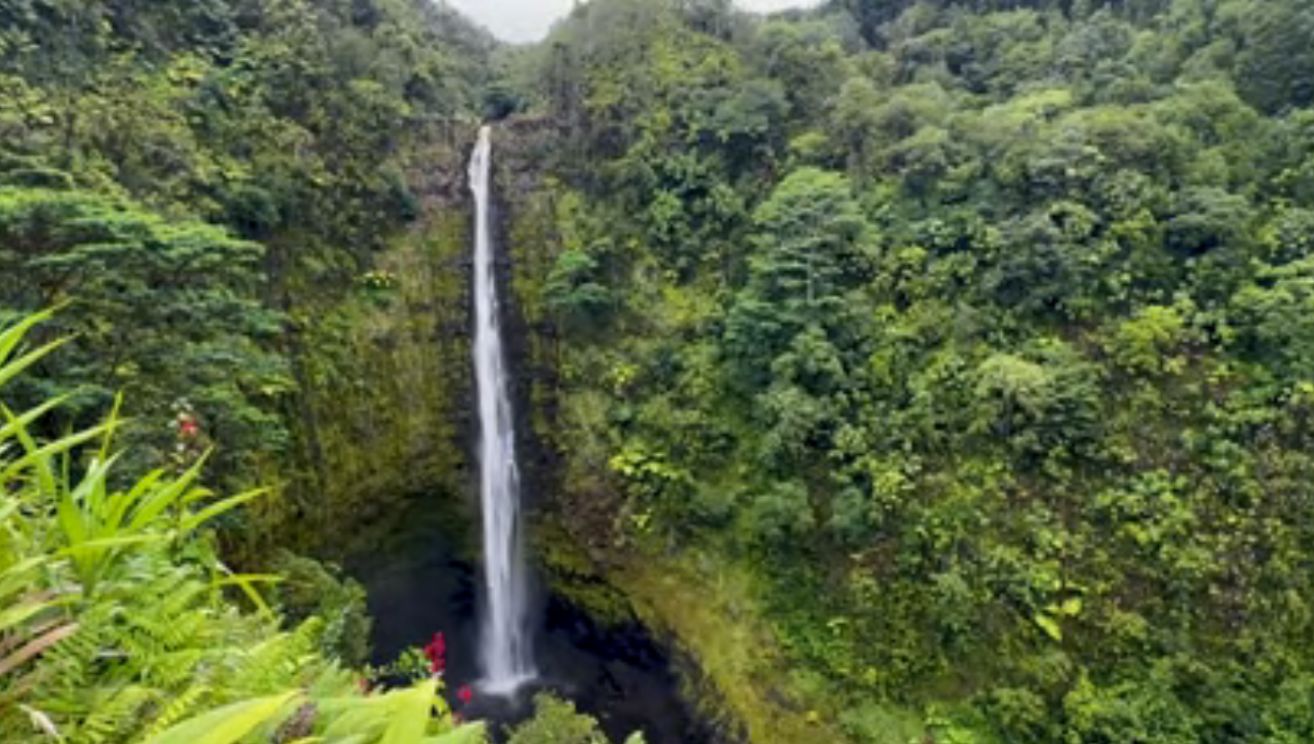
Nestled on the stunning island of Maui, Hawaii, Haleakala National Park is a captivating destination that showcases the beauty of diverse ecosystems and dramatic landscapes. Spanning over 30,000 acres, this national park is home to the world's largest dormant volcano, Haleakalā, which rises to an elevation of 10,023 feet. Visitors are treated to breathtaking sunrises, lush rainforests, and unique geological features, making it a must-visit location for nature lovers and adventure seekers alike.
History and Significance
The name "Haleakalā" translates to "House of the Sun" in Hawaiian, a nod to the ancient Hawaiian legend that tells of the demigod Maui lassoing the sun to prolong the day. This cultural significance is deeply rooted in the area’s history, as the summit of Haleakalā was considered sacred by Native Hawaiians. The park was established in 1961 to preserve the unique ecosystems and cultural heritage of the region, ensuring that future generations can appreciate its natural wonders.
Geological Features
The centerpiece of Haleakala National Park is the massive crater formed by volcanic activity, which resembles a surreal lunar landscape. The crater is approximately 7 miles across and 2 miles wide, with a depth of around 2,600 feet. Visitors can explore the crater's unique terrain, which features cinder cones, rugged cliffs, and a variety of endemic plant species, including the silversword, a striking flower that can only be found in this region.
Visitor Highlights
- Sunrise and Sunset Viewing: One of the most popular activities is witnessing the spectacular sunrises and sunsets from the summit. Arriving early is essential, as the parking area fills quickly. The view from the summit is nothing short of magical, with colors painting the sky and the landscape below.
- Hiking Trails: The park offers numerous hiking trails that cater to various skill levels. The Sliding Sands Trail leads into the crater, providing an up-close look at its geological features, while the Halemau'u Trail offers a more moderate trek through lush vegetation.
- Biking: For those seeking an adrenaline rush, bike tours down the mountain are available. Riders can enjoy scenic views while descending through different climate zones, from the arid summit to the lush rainforests below.
- Stargazing: With its high elevation and minimal light pollution, Haleakalā is an exceptional location for stargazing. The park hosts special astronomy programs where visitors can learn about the night sky and observe celestial events.
Cultural Importance
Haleakalā National Park is not just a natural wonder; it is also a site of profound cultural significance. The park encompasses areas that were once used for traditional Hawaiian practices, including farming and gathering. Visitors can explore the Hawaiian Cultural Program, which offers insights into the customs, traditions, and history of the Native Hawaiian people. The park aims to preserve these cultural practices and educate visitors about their importance.
Best Time to Visit
The ideal time to visit Haleakalā National Park is during the dry season, which runs from April to October. These months offer clear skies and mild temperatures, making it perfect for outdoor activities. However, sunrise and sunset viewing can be enjoyed year-round. Visitors should be prepared for rapidly changing weather conditions, especially at higher elevations, where temperatures can drop significantly.
Travel Tips
- Arrive Early: If you plan to catch the sunrise, arrive at least an hour before dawn to secure a parking spot and enjoy the experience without feeling rushed.
- Dress in Layers: The temperature can vary greatly from the base to the summit. Dress in layers to stay comfortable throughout your visit.
- Stay Hydrated: Bring plenty of water, especially if you plan on hiking. The high elevation can lead to dehydration more quickly than at sea level.
- Respect the Environment: Follow Leave No Trace principles to protect the delicate ecosystems within the park. Stay on designated trails and do not disturb wildlife.
Conclusion
Haleakala National Park is a stunning testament to the natural beauty and cultural heritage of Hawaii. From its dramatic landscapes to its rich history, the park offers a unique experience that captivates every visitor. Whether you are hiking through its diverse terrains, marveling at the sunrise, or learning about Hawaiian culture, Haleakalā is a destination that leaves a lasting impression. Plan your visit to this remarkable national park and immerse yourself in the wonders of Maui.