Mammoth Cave National Park
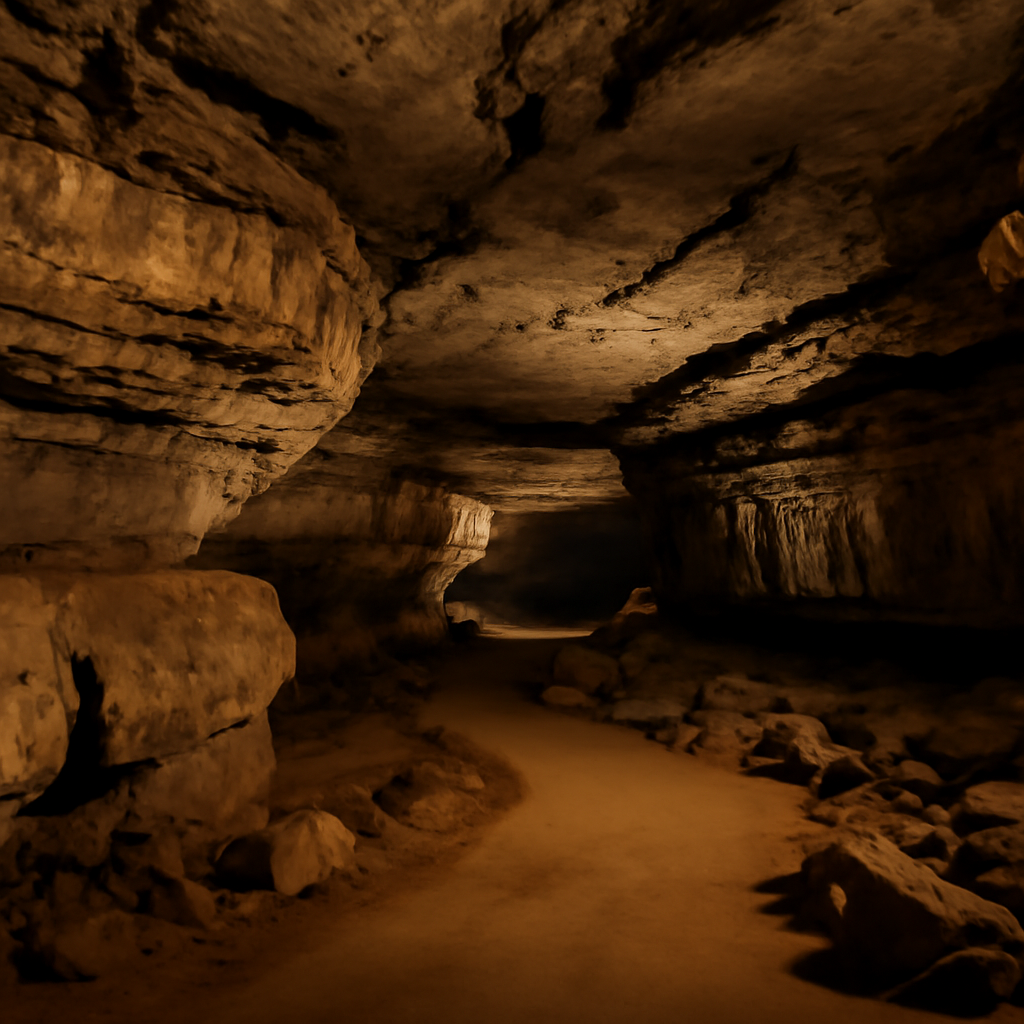
Mammoth Cave National Park
Overview
Mammoth Cave National Park, located in the heart of Kentucky, is a UNESCO World Heritage Site renowned for its extensive cave system, which is the longest in the world. Spanning over 400 miles of explored passageways, this remarkable natural wonder offers visitors a glimpse into an underground world filled with stunning geological formations, rich biodiversity, and a fascinating historical backdrop.
History
The history of Mammoth Cave dates back thousands of years, with evidence of human presence as early as 4,000 B.C. Indigenous peoples, including the Native American tribes, utilized the cave for various purposes, including burial sites and ceremonial gatherings. The cave's first documented exploration occurred in the late 18th century when John Houchins discovered its entrance.
In the early 19th century, Mammoth Cave gained popularity as a tourist destination, with guided tours beginning in 1816. The cave's significance increased during the 1840s when it was mined for saltpeter, a key ingredient in gunpowder. The park was officially established in 1941, preserving its unique ecosystem and geological features for future generations.
Significance
Mammoth Cave is not just a geological marvel; it is a vital ecological habitat. The park is home to a diverse range of plant and animal species, including numerous species of bats, some of which are endangered. The cave's unique climate and environment support rare organisms, including the eyeless cave fish and various types of cave-dwelling insects, making it a critical area for scientific research and conservation.
Architecture and Nature
The architecture of Mammoth Cave is defined by its intricate limestone formations, which have been sculpted by millions of years of erosion and underground water flow. Visitors can marvel at stunning stalactites, stalagmites, and flowstones that adorn the cave's chambers. The most famous section, the "Great Hall," boasts soaring ceilings and massive columns, creating a cathedral-like atmosphere.
Above ground, Mammoth Cave National Park encompasses over 53,000 acres of lush forest, rolling hills, and diverse ecosystems. The park features a variety of hiking trails, scenic overlooks, and opportunities for wildlife viewing, making it a haven for outdoor enthusiasts.
Visitor Highlights
- Guided Cave Tours: Experience the wonders of Mammoth Cave through various guided tours that cater to different interests and fitness levels. From easy walks to more challenging explorations, each tour offers a unique perspective on the cave's geology and history.
- Hiking Trails: The park boasts over 70 miles of hiking trails, offering opportunities to explore the stunning landscapes above ground. Trails range from easy walks to strenuous hikes, providing options for all skill levels.
- Wildlife Viewing: Keep an eye out for the park's diverse wildlife, including deer, wild turkeys, and various bird species. The cave is also home to several bat species, making it a crucial area for bat conservation efforts.
- Camping: Experience the beauty of Mammoth Cave by camping in designated areas within the park. Camping provides a unique way to connect with nature and enjoy the serene surroundings.
Cultural Importance
Mammoth Cave holds significant cultural importance, reflecting the interaction between humans and the natural environment over millennia. The cave has served as a place of refuge, exploration, and inspiration for countless individuals. It also plays a critical role in the local economy, attracting visitors from around the globe who come to experience its natural beauty and historical significance.
Best Time to Visit
The best time to visit Mammoth Cave National Park is during the spring (April to June) and fall (September to November) seasons. During these months, the weather is mild, making it ideal for outdoor activities such as hiking and camping. Additionally, spring brings vibrant wildflowers, while fall showcases stunning foliage colors. Summer can be hot and humid, while winter may bring colder temperatures and occasional snowfall, which can affect cave access.
Travel Tips
- Reservations: It is advisable to make reservations for cave tours in advance, especially during peak tourist seasons. This ensures you secure a spot on your preferred tour.
- Dress Appropriately: Wear comfortable clothing and sturdy shoes suitable for hiking and cave exploration. The cave temperature remains around 54°F (12°C) year-round, so layers are recommended.
- Stay Hydrated: Bring water and snacks, especially if you plan on hiking or spending extended time in the park.
- Respect Nature: Follow Leave No Trace principles to preserve the park's natural beauty and protect its delicate ecosystems.
Conclusion
Mammoth Cave National Park is more than just a remarkable geological formation; it is a testament to the beauty and complexity of nature. With its rich history, ecological significance, and diverse recreational opportunities, the park invites visitors to explore its depths and experience the wonders of the underground world. Whether you're a history buff, an outdoor enthusiast, or a family seeking adventure, Mammoth Cave offers a unique and unforgettable experience.