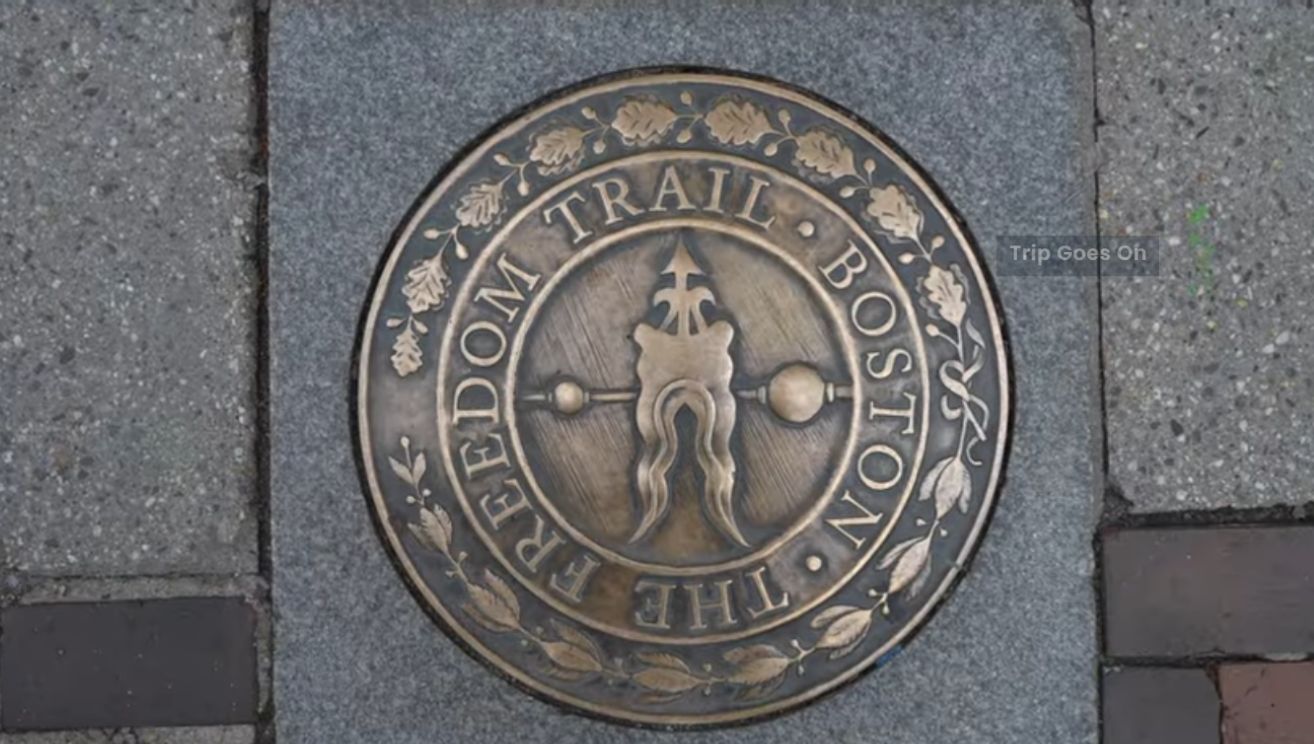
Fenway Park

Fenway Park: A Historic Gem in Boston, Massachusetts
Introduction
Fenway Park, located in the heart of Boston, Massachusetts, is not just a baseball stadium; it is a cultural icon that has stood the test of time. Opened in 1912, this beloved ballpark is the home of the Boston Red Sox and is one of the oldest Major League Baseball stadiums still in use. With its rich history, distinctive architecture, and vibrant atmosphere, Fenway Park attracts millions of visitors each year, making it a must-visit destination for sports enthusiasts and history buffs alike.
History of Fenway Park
Fenway Park was constructed in 1912, during a time when baseball was becoming America's pastime. Designed by architect James E. McLaughlin, the park was built to replace the Red Sox's previous home, the Huntington Avenue Grounds. The park's name is derived from the Fenway neighborhood, which is characterized by its green spaces and parks.
Throughout its history, Fenway Park has witnessed countless memorable moments, including Ted Williams' legendary hitting and the Red Sox's dramatic 2004 World Series victory, which ended an 86-year championship drought. The park has been the site of numerous historical events and continues to be a symbol of the resilience and spirit of Boston.
Architectural Significance
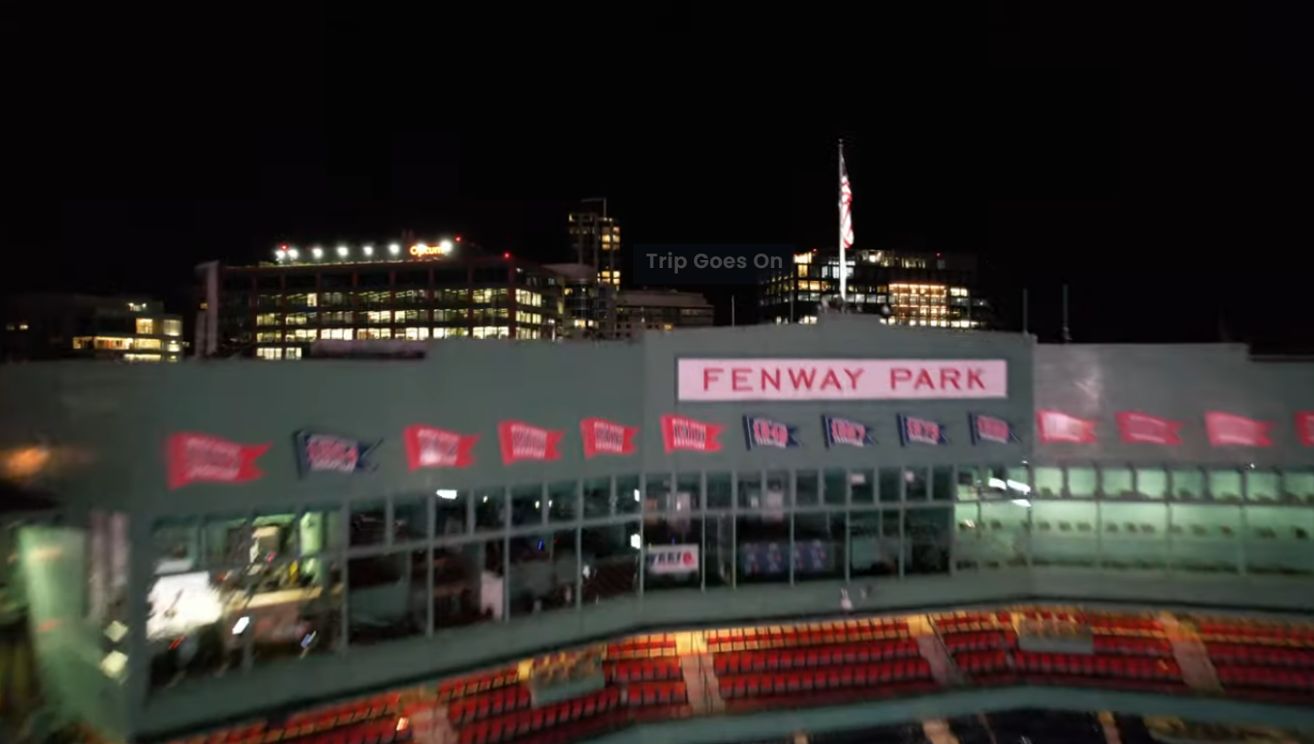
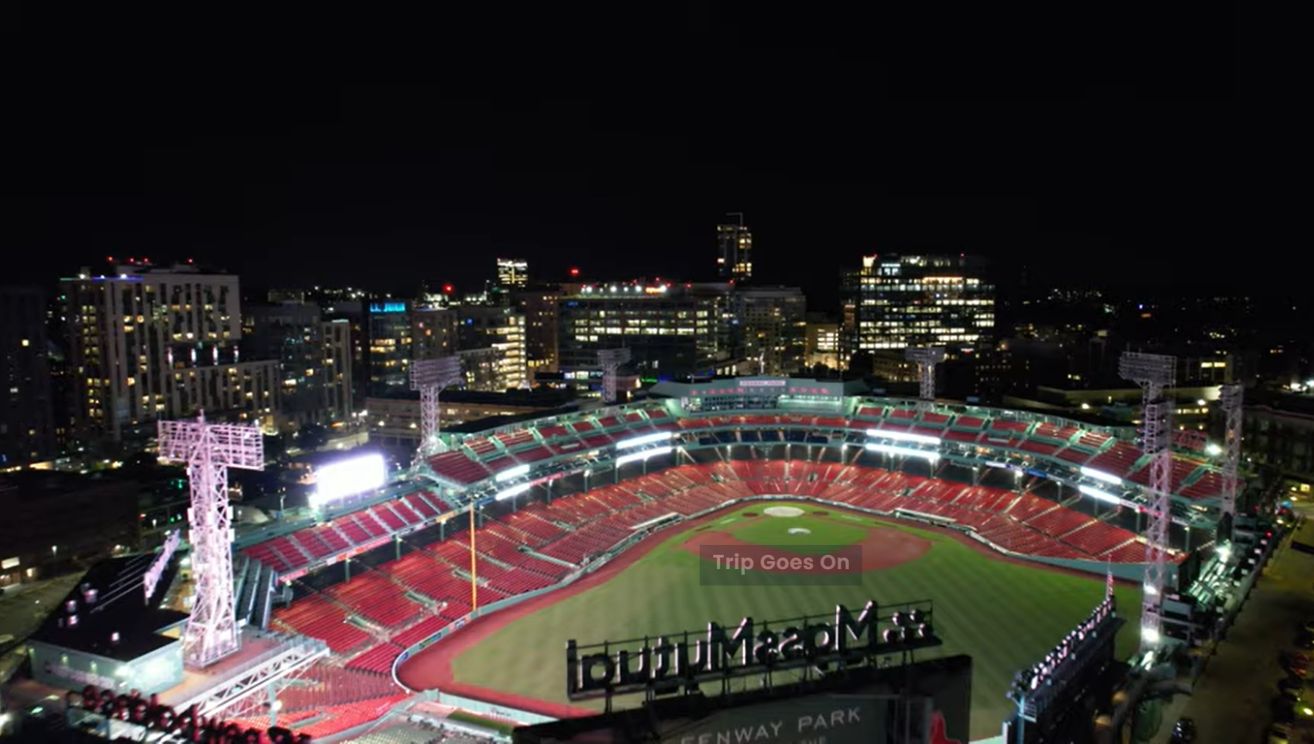
Fenway Park is renowned for its unique architectural features that set it apart from modern stadiums. The most iconic element is the Green Monster, a towering left-field wall that stands 37 feet high. This wall is not only a challenge for batters but also provides a distinctive backdrop for the ballpark's atmosphere.
The stadium's intimate design allows fans to be close to the action, with a seating capacity of approximately 37,000. The park's classic brick façade, manual scoreboard, and vintage lighting fixtures evoke a sense of nostalgia, transporting visitors back to the early 20th century. Fenway Park has undergone several renovations to preserve its historical integrity while enhancing the visitor experience.
Visitor Highlights
- Baseball Games: Attending a Red Sox game is the quintessential Fenway Park experience. The energy of the crowd, the sound of the bat hitting the ball, and the smell of hot dogs create an unforgettable atmosphere.
- Fenway Tours: For those unable to catch a game, guided tours of the park are available year-round. These tours provide insights into the park's history, architecture, and the legends that have graced its field.
- Fenway Park's Hall of Fame: The Hall of Fame honors the Red Sox's greatest players and moments, making it a must-visit for fans eager to learn more about the team's storied legacy.
- Unique Concessions: Fenway offers a variety of food options, from traditional ballpark fare to local specialties. Don't miss trying a Fenway Frank, a staple for over a century.
Cultural Importance
Fenway Park is more than just a sports venue; it is a cultural landmark that embodies the spirit of Boston. It has hosted numerous events beyond baseball, including concerts, college baseball games, and even hockey games. The park's enduring presence in the community has made it a gathering place for generations of Bostonians.
Moreover, Fenway Park is a symbol of resilience. After the devastating Boston Marathon bombing in 2013, the park served as a rallying point for the community, demonstrating the strength and unity of the city. Its significance extends beyond sports, representing hope, history, and the collective identity of Boston.
Best Time to Visit
The best time to visit Fenway Park is during the Major League Baseball season, which typically runs from late March or early April through September. Summer games offer the most vibrant atmosphere, with fans enjoying warm weather and evening games under the lights. However, spring and fall also provide unique experiences, with fewer crowds and the chance to witness the changing seasons around the park.
For those interested in history and architecture, guided tours are available year-round, allowing visitors to explore the park's rich heritage at their own pace.
Travel Tips
- Plan Ahead: If you intend to catch a game, purchase tickets in advance, as they tend to sell out quickly, especially for popular matchups.
- Public Transportation: Fenway Park is easily accessible via public transportation. The Kenmore T station is just a short walk away, making it convenient to avoid parking hassles.
- Dress Appropriately: Boston weather can be unpredictable. Dress in layers and be prepared for sudden changes in temperature, especially during evening games.
- Explore the Surrounding Area: Take time to explore the Fenway neighborhood, which offers a variety of restaurants, shops, and cultural attractions, including the nearby Museum of Fine Arts.
Conclusion
Fenway Park is not just a venue for baseball; it is a living piece of history that continues to captivate visitors from all walks of life. Its unique architecture, rich history, and cultural significance make it a must-visit destination in Boston, Massachusetts. Whether you're a die-hard Red Sox fan or a casual visitor, a trip to Fenway Park promises an unforgettable experience filled with excitement, nostalgia, and the spirit of America’s pastime.