Glacier National Park
Discover Glacier National Park
Location
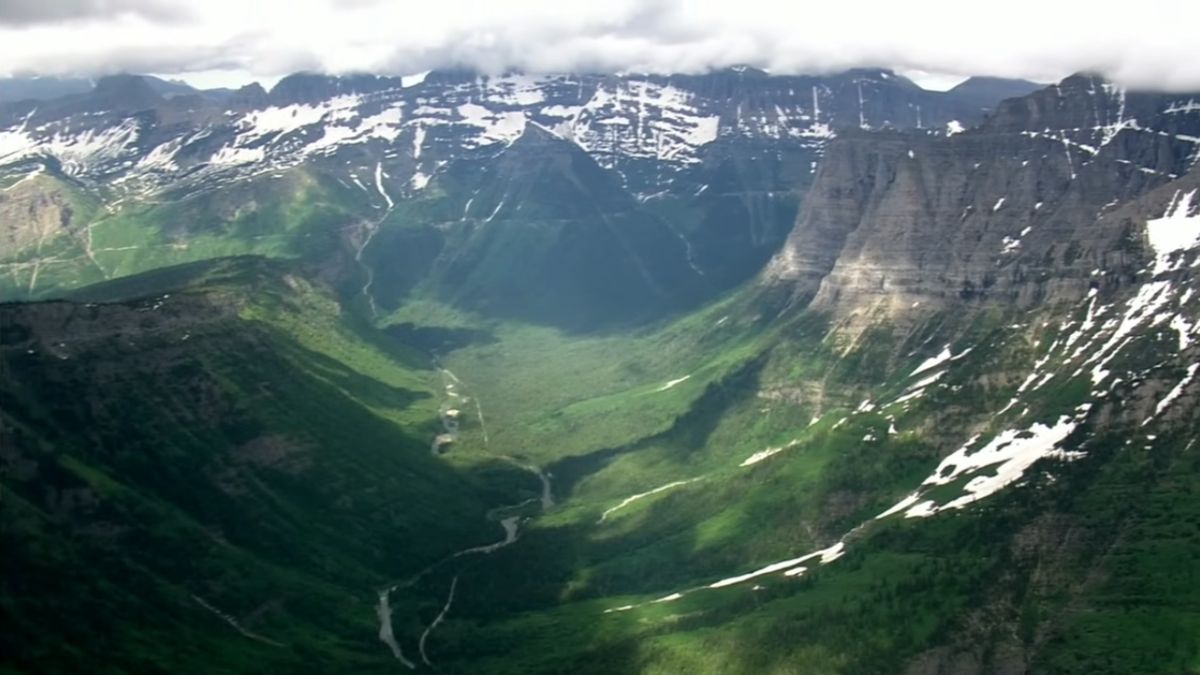
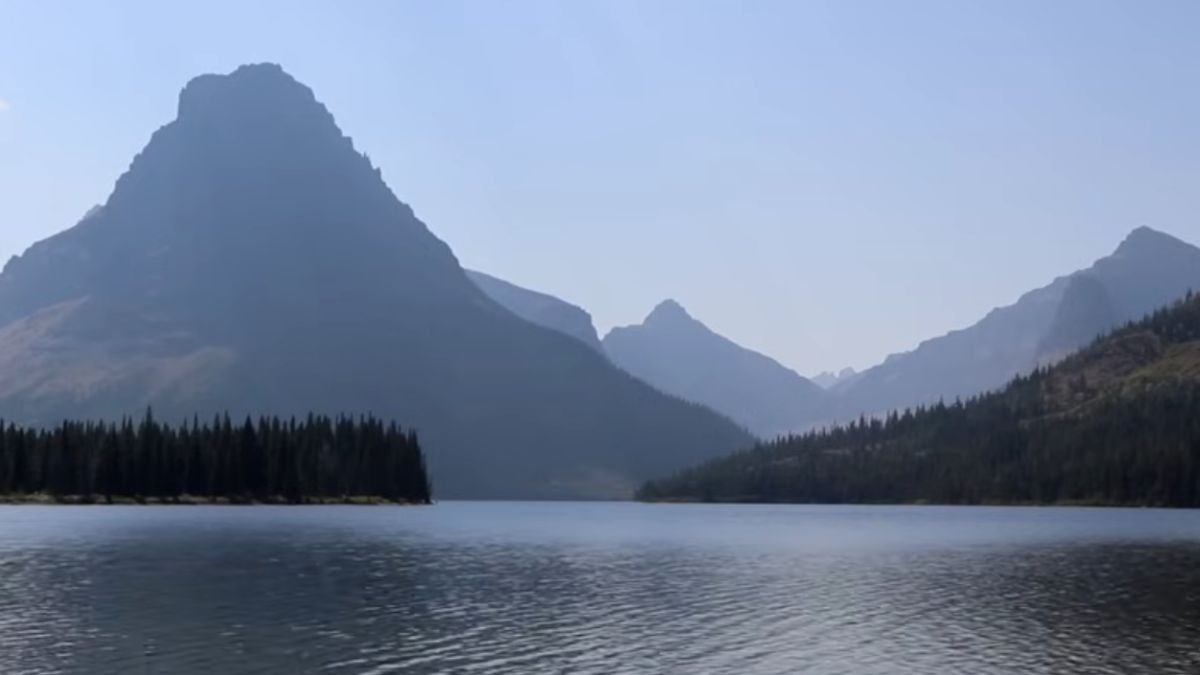
Glacier National Park, located in West Glacier, Montana, is a breathtaking expanse of wilderness that showcases the stunning beauty of the Rocky Mountains. Spanning over one million acres, this majestic park is a haven for outdoor enthusiasts and nature lovers alike, offering a diverse landscape of towering peaks, pristine lakes, and vibrant ecosystems.
History
Established in 1910, Glacier National Park is one of the oldest national parks in the United States. It was designated to preserve the unique geological features and diverse wildlife of the region. The park is named for the glaciers that carved its valleys and shaped its mountains, with many of these glaciers dating back thousands of years. The area has a rich Indigenous history, with the Blackfeet Nation and other tribes having inhabited the land for centuries, utilizing its resources and spiritual significance.
Significance
Glacier National Park is renowned for its spectacular natural beauty and ecological diversity. It is home to over 700 species of plants, 300 species of birds, and numerous mammals, including grizzly bears, mountain goats, and moose. The park's unique geological formations, including the stunning Going-to-the-Sun Road, showcase the effects of glacial activity and the forces of nature over millennia. As a UNESCO World Heritage Site, Glacier National Park plays a crucial role in conservation efforts and serves as a vital area for scientific research and education.
Architecture and Nature
The park's architecture is characterized by rustic structures that harmonize with the natural landscape. The historic lodges, such as the Many Glacier Hotel and Lake McDonald Lodge, reflect the craftsmanship of the early 20th century and provide visitors with a glimpse into the park's history. These buildings, often constructed from local materials, blend seamlessly into their surroundings, enhancing the visitor experience.
Nature in Glacier National Park is nothing short of awe-inspiring. The park boasts over 700 miles of hiking trails that traverse through lush forests, alpine meadows, and rugged mountain terrain. Iconic features include:
- Going-to-the-Sun Road: A scenic drive that offers panoramic views of the park's stunning landscapes, this 50-mile road is a marvel of engineering, crossing the Continental Divide.
- Many Glacier Valley: Known for its dramatic scenery and abundant wildlife, this area is often referred to as the "crown jewel" of the park.
- Lake McDonald: The largest lake in the park, famous for its colorful pebbles and crystal-clear waters, ideal for kayaking and fishing.
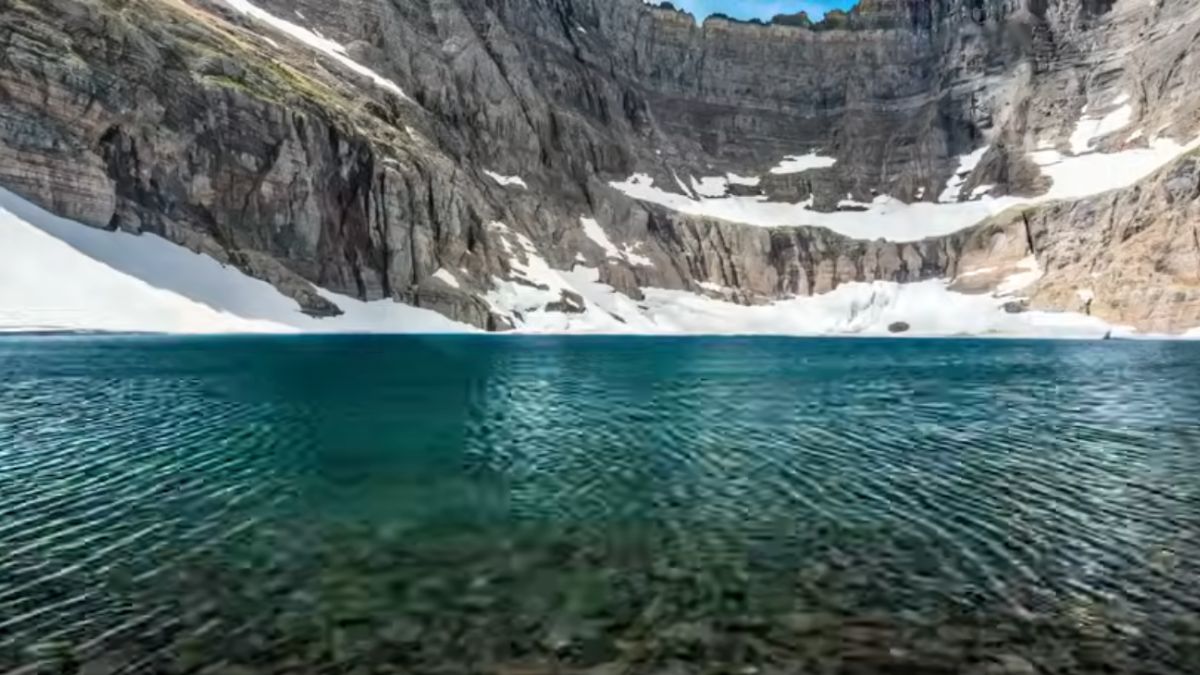
- Grinnell Glacier: A popular hiking destination that leads to a stunning glacial lake, providing breathtaking views and opportunities for wildlife observation.
Visitor Highlights
Glacier National Park offers a plethora of activities for visitors of all ages and interests. Highlights include:
- Hiking: With trails ranging from easy walks to challenging backcountry routes, there’s something for everyone. Popular hikes include the Highline Trail, Avalanche Lake, and the Hidden Lake Trail.
- Wildlife Viewing: Early mornings and late evenings are the best times to spot wildlife, including bears, elk, and bighorn sheep.
- Photography: The park's breathtaking vistas and vibrant landscapes provide endless opportunities for stunning photography, particularly at sunrise and sunset.
- Camping: Numerous campgrounds are available for those looking to immerse themselves in nature. Reservations are recommended, especially during peak season.
- Ranger Programs: Educational programs led by park rangers offer insights into the park's ecology, history, and conservation efforts.
Cultural Importance
Glacier National Park is not only a natural wonder but also a site of cultural significance. The park is a sacred place for the Indigenous peoples of the region, who have deep spiritual connections to the land. Efforts to honor and incorporate Indigenous perspectives and histories into park programming and visitor experiences are ongoing, fostering a greater understanding of the cultural heritage of the area.
Best Time to Visit
The best time to visit Glacier National Park is during the summer months, from late June to mid-September. This period offers the most accessible trails, warmer weather, and a full range of visitor services. However, fall brings stunning foliage and fewer crowds, while winter transforms the park into a snowy wonderland, perfect for snowshoeing and cross-country skiing.
Travel Tips
- Plan Ahead: Due to its popularity, accommodations and campsites can fill up quickly, so make reservations well in advance.
- Dress in Layers: Weather in the mountains can change rapidly. Dress in layers to ensure comfort throughout the day.
- Stay Hydrated: Carry plenty of water, especially during hikes, to stay hydrated in the varying altitudes.
- Respect Wildlife: Observe animals from a safe distance and never feed them. Follow park guidelines to ensure your safety and theirs.
- Leave No Trace: Practice Leave No Trace principles to help preserve the park's natural beauty for future generations.
Conclusion
Glacier National Park is a breathtaking destination that offers a unique blend of natural beauty, rich history, and cultural significance. Whether you’re looking for adventure, relaxation, or a deeper connection with nature, this iconic park provides an unforgettable experience that will leave you with lasting memories.