Las Vegas Strip
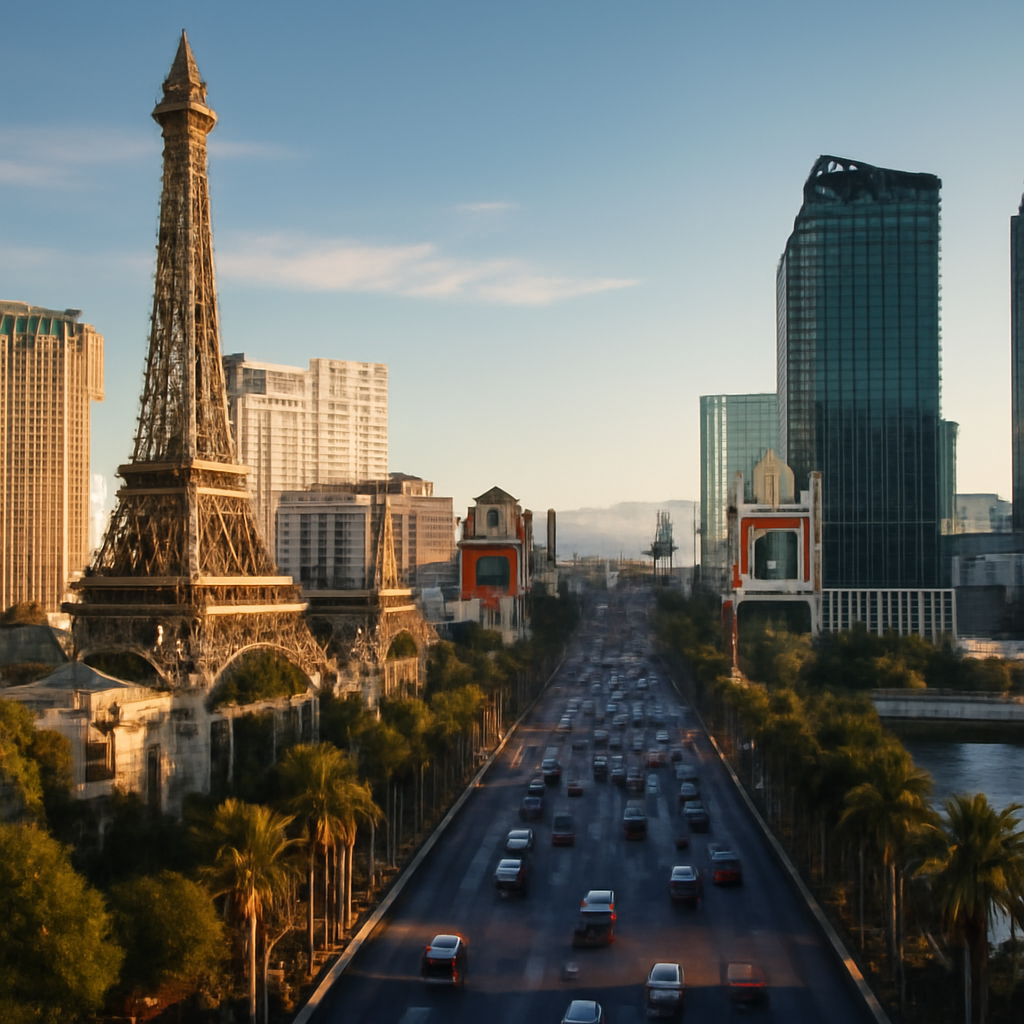
Las Vegas Strip, Las Vegas
Overview
The Las Vegas Strip is an iconic stretch of South Las Vegas Boulevard in the heart of Las Vegas, Nevada, renowned worldwide as the entertainment capital of the United States. This vibrant corridor stretches approximately 4.2 miles and is home to some of the most famous casinos, luxury resorts, and dazzling attractions on the planet. Nestled in the Mojave Desert, the Strip offers an electrifying blend of nightlife, world-class dining, spectacular shows, and innovative architecture that draws millions of visitors annually.
Historical Significance
The history of the Las Vegas Strip dates back to the 1940s when the first casinos and hotels began to emerge, transforming a modest desert town into a bustling entertainment hub. The construction of the El Rancho Vegas in 1941 marked the birth of the Strip as the first resort on this iconic stretch. Over the decades, the area evolved dramatically, with the 1950s and 1960s heralding the arrival of legendary establishments like the Flamingo, Caesars Palace, and The Sands. These venues introduced a new era of glamour, attracting celebrities, entertainers, and high-rollers.
In the late 20th and early 21st centuries, the Strip underwent a renaissance with the development of mega-resorts such as The Bellagio, MGM Grand, and The Venetian, which redefined luxury and extravagance. Today, the Strip stands as a symbol of American innovation in entertainment and hospitality, blending cultural influences from around the world.
Architectural and Natural Highlights
The Las Vegas Strip is a showcase of architectural marvels, each resort boasting unique themes and designs that create a surreal urban landscape. From the replica of the Eiffel Tower at Paris Las Vegas to the fountains of Bellagio choreographed to music, the Strip offers an immersive experience in design and spectacle.
- The Venetian: Inspired by Venice, Italy, featuring canals with gondola rides and Renaissance-style architecture.
- Luxor Hotel: A striking pyramid-shaped building with a powerful beam of light shooting into the sky.
- Caesars Palace: A Roman-themed resort with grand columns, statues, and opulent interiors.
- MGM Grand: One of the largest hotels in the world, known for its emerald-green glass exterior and expansive entertainment options.
While the Strip is predominantly urban, it is set against the backdrop of the rugged Nevada desert, with the Spring Mountains visible to the west. This juxtaposition of natural beauty and man-made extravagance adds to the Strip’s allure.
Visitor Highlights
Visitors to the Las Vegas Strip are spoiled for choice with an array of attractions that cater to every interest:
- World-Class Casinos: Try your luck at iconic casinos such as Wynn, The Cosmopolitan, and The Mirage.
- Entertainment and Shows: From Cirque du Soleil productions to headline concerts by global superstars, the Strip is a premier destination for live entertainment.
- Fine Dining: Home to celebrity chefs and Michelin-starred restaurants offering diverse cuisines.
- Shopping: Luxury shopping centers like The Forum Shops at Caesars and The Shops at Crystals provide high-end retail therapy.
- Nightlife: Exclusive nightclubs, rooftop bars, and lounges offer vibrant nightlife experiences.
- Unique Attractions: The High Roller Observation Wheel, the Volcano at The Mirage, and the Neon Museum nearby.
Cultural Importance
Beyond its reputation as a party town, the Las Vegas Strip holds cultural significance as a melting pot of entertainment, art, and innovation. It has influenced global pop culture, appearing in countless films, music videos, and literature. The Strip also serves as a platform for cultural events, conventions, and exhibitions, making it a dynamic space where creativity and commerce intersect.
Moreover, the Strip’s commitment to sustainability and community engagement reflects its evolving role in modern society, balancing tourism with environmental and social responsibility.
Best Time to Visit
The optimal time to visit the Las Vegas Strip is during the spring (March to May) and fall (September to November) when the weather is pleasant, ranging from mild to warm temperatures. Summers can be intensely hot, with daytime temperatures often exceeding 100°F (38°C), which might be uncomfortable for outdoor activities. Winter months are cooler but still generally mild, making it a viable option for visitors seeking fewer crowds and lower hotel rates.
Travel Tips
- Transportation: The Strip is pedestrian-friendly with well-maintained sidewalks, but consider using the Las Vegas Monorail or ride-sharing services to cover longer distances efficiently.
- Accommodation: Book hotels well in advance, especially during major events or holidays, to secure the best rates and availability.
- Budgeting: While luxury options abound, there are also affordable dining and entertainment choices. Plan your budget according to your preferences.
- Safety: The Strip is generally safe, but stay vigilant, especially at night, and keep personal belongings secure.
- Hydration: Due to the desert climate, drink plenty of water to stay hydrated, particularly in summer.
- Show Reservations: Popular shows sell out quickly; purchasing tickets in advance is highly recommended.
- Dress Code: Many venues have dress codes, especially upscale restaurants and clubs, so plan your wardrobe accordingly.
Conclusion
The Las Vegas Strip is more than just a stretch of road; it is a world-renowned destination that encapsulates the spirit of entertainment, luxury, and innovation. From its historic roots to its dazzling modern-day attractions, the Strip offers an unparalleled experience for travelers seeking excitement, culture, and unforgettable memories. Whether you’re drawn by the thrill of the casinos, the allure of spectacular shows, or the architectural wonders, the Las Vegas Strip remains a must-visit landmark in the United States and a symbol of the vibrant energy that defines Las Vegas.