White Sands National Park
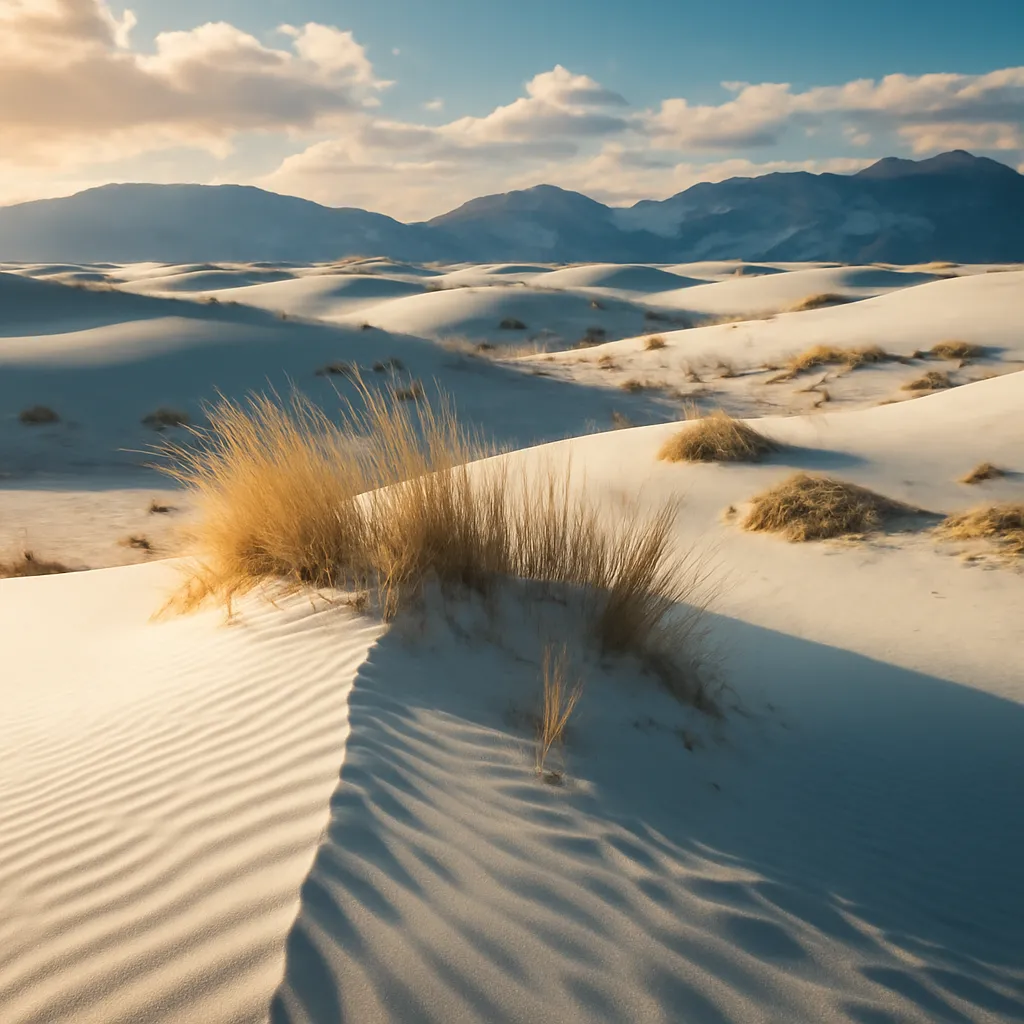
White Sands National Park
Overview
Located in the heart of the Chihuahuan Desert, White Sands National Park in Alamogordo, New Mexico, is a breathtaking expanse of shimmering white gypsum sand dunes. Spanning over 275 square miles, this unique landscape is renowned for its stunning natural beauty, diverse ecosystems, and recreational opportunities. Designated as a national park in 2019, White Sands is a testament to the geological and ecological marvels of the American Southwest.
History and Significance
The history of White Sands is as rich as its landscape. The area was originally inhabited by Native American tribes, including the Mescalero Apache, who revered the land and its resources. European explorers arrived in the 16th century, but it wasn't until the early 20th century that the unique gypsum dunes began to attract scientific interest.
In 1933, the region was designated as a national monument, and later, in 2019, it was elevated to national park status, highlighting its importance in preserving its unique geological features. White Sands is home to the largest gypsum dune field in the world, formed by the evaporation of an ancient sea and the subsequent erosion of the surrounding mountains.
Geological Features
The most striking feature of White Sands is its vast, undulating dunes, which can reach heights of up to 60 feet. The white sands are composed of gypsum crystals, which are softer and cooler than traditional sand, making them a unique habitat for various plant and animal species. The park's ecosystem is home to over 800 species of plants, animals, and insects, many of which have adapted to thrive in this arid environment.
Visitors can explore the park's diverse landscapes, from the towering dunes to the salt flats and desert grasslands. The contrast between the bright white sands and the deep blue skies creates a stunning visual spectacle, particularly at sunrise and sunset.
Visitor Highlights
- Dune Walks: The park offers numerous trails for hiking, including the Interdune Boardwalk and the Alkali Flat Trail, which provide opportunities to experience the dunes up close.
- Sand Sledding: One of the most popular activities is sand sledding down the slopes of the dunes, a fun experience for visitors of all ages.
- Stargazing: White Sands is designated as a Dark Sky Park, making it an ideal location for stargazing. The clear desert skies provide a breathtaking view of the Milky Way.
- Ranger Programs: The park offers various educational programs led by park rangers, including guided walks, talks, and evening programs that delve into the park's natural and cultural history.
Cultural Importance
White Sands National Park is not only significant for its natural beauty but also for its cultural heritage. The area is steeped in Native American history, and visitors can learn about the traditional uses of the land by the Mescalero Apache and other tribes. The park also plays a role in the history of the U.S. military, as it is located near the White Sands Missile Range, where significant developments in rocketry and space exploration took place during the Cold War era.
Best Time to Visit
The ideal time to visit White Sands National Park is during the spring (March to May) and fall (September to November) months. During these seasons, temperatures are mild, making outdoor activities more enjoyable. Summer can be extremely hot, with temperatures often exceeding 100°F, while winter can bring chilly nights and occasional snowfall, creating a unique but less accessible landscape.
Travel Tips
- Stay Hydrated: The desert climate can be harsh, so it's essential to carry plenty of water while exploring the park.
- Dress Appropriately: Wear lightweight, breathable clothing, and consider bringing layers for cooler evenings. Sturdy shoes are recommended for hiking.
- Plan for Sun Protection: Sunscreen, sunglasses, and hats are crucial to protect against the intense sun exposure.
- Check for Park Alerts: Before your visit, check the park's official website for any alerts regarding road conditions, weather, or special events.
- Leave No Trace: Follow Leave No Trace principles to protect the delicate ecosystem of the dunes. Stay on designated trails and pack out all trash.
Conclusion
White Sands National Park is a must-visit destination for nature lovers, adventure seekers, and anyone looking to experience the unique beauty of the American Southwest. With its stunning landscapes, rich history, and diverse recreational opportunities, a visit to White Sands promises to be an unforgettable experience. Whether you're hiking through the dunes, sledding down their slopes, or simply soaking in the breathtaking views, White Sands National Park offers a magical escape into one of nature's most enchanting creations.