Big Bend National Park
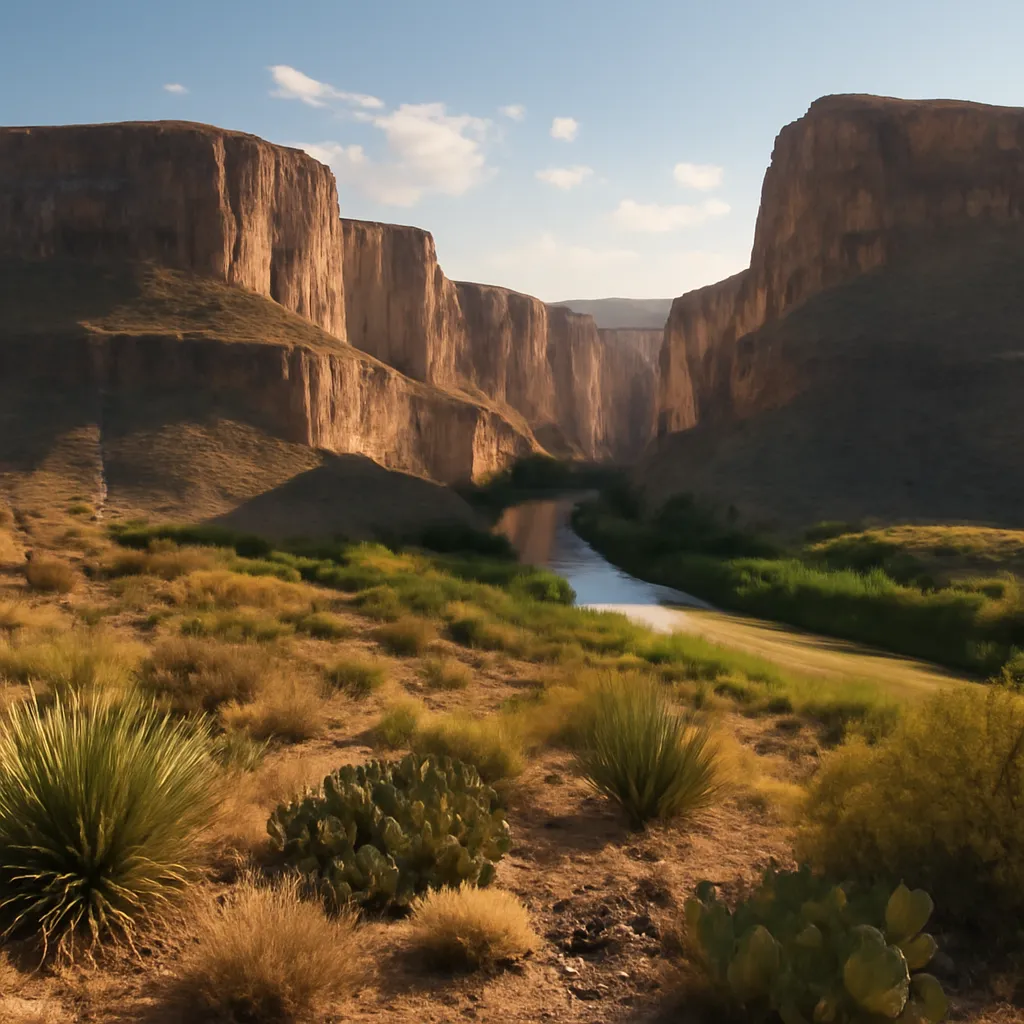
Big Bend National Park
Overview
Located in the remote southwestern region of Texas, Big Bend National Park spans over 800,000 acres of stunning desert landscapes, rugged mountains, and the winding Rio Grande River. Established in 1944, it is one of the largest national parks in the United States and a UNESCO Biosphere Reserve, attracting nature enthusiasts, adventure seekers, and those looking to escape into the serene beauty of the Chihuahuan Desert.
History and Significance
The park is named after the large bend in the Rio Grande that forms the border between the United States and Mexico. The area has a rich history, with evidence of human habitation dating back thousands of years. Indigenous peoples, including the Chisos and the Mescalero Apache, roamed these lands long before European settlers arrived. In the late 19th century, ranchers and miners began to exploit the area’s natural resources, leading to the establishment of small communities.
In the 1930s, efforts to preserve the unique landscapes and ecosystems led to the creation of Big Bend National Park. The park serves as a vital habitat for diverse flora and fauna, including over 450 species of birds, making it a premier destination for birdwatching.
Natural Features and Architecture
Big Bend National Park is renowned for its breathtaking geological formations, dramatic canyons, and expansive desert vistas. The park’s diverse ecosystems range from lush riparian zones along the Rio Grande to arid desert scrub and high mountain forests. Key natural features include:
- Chisos Mountains: The only mountain range located entirely within a national park in Texas, offering stunning views and unique wildlife.
- Santa Elena Canyon: A breathtaking gorge carved by the Rio Grande, with towering cliffs that rise over 1,500 feet.
- Boquillas Canyon: A spectacular canyon known for its impressive rock formations and rich history.
- Desert Flora: Home to a variety of cacti, yucca, and desert wildflowers that bloom in vibrant colors during the spring.
Visitor Highlights
Big Bend offers a plethora of activities and attractions for visitors of all interests:
- Hiking: Over 150 miles of trails cater to all skill levels, from easy walks to challenging backcountry hikes. Popular trails include the Lost Mine Trail and Emory Peak.
- Camping: Several campgrounds are available, with options for both developed sites and primitive backcountry camping for those seeking solitude.
- River Activities: The Rio Grande provides opportunities for canoeing, kayaking, and rafting, allowing visitors to experience the park from a unique perspective.
- Stargazing: Designated as an International Dark Sky Park, Big Bend is one of the best places in the United States to observe the night sky, with minimal light pollution.
Cultural Importance
The cultural significance of Big Bend is profound, as it serves as a connection between the natural world and the rich histories of the indigenous peoples and early settlers. The park is home to various archaeological sites, including ancient rock art that tells the stories of the area's first inhabitants. Additionally, the park's proximity to the Mexico border enriches its cultural tapestry, with influences seen in local cuisine, music, and art.
Best Time to Visit
The optimal time to visit Big Bend National Park is during the spring (March to May) and fall (September to November) when temperatures are mild and wildflowers bloom in abundance. Summer months can be extremely hot, with temperatures often exceeding 100°F, making outdoor activities challenging. Winter can bring cooler temperatures, especially at higher elevations, but is also a great time to enjoy solitude and crisp air.
Travel Tips
To make the most of your visit to Big Bend National Park, consider the following tips:
- Plan Ahead: Check for park alerts, trail conditions, and campground availability before your trip.
- Stay Hydrated: The desert environment can be unforgiving; carry plenty of water, especially during hikes.
- Dress Appropriately: Wear layers to accommodate temperature changes and sturdy footwear for hiking.
- Respect Wildlife: Observe animals from a distance and do not feed them, as this can disrupt their natural behaviors.
- Leave No Trace: Follow Leave No Trace principles to preserve the park's pristine environment for future generations.
Conclusion
Big Bend National Park is a treasure trove of natural beauty, adventure, and cultural heritage. Whether you're hiking through its majestic landscapes, paddling the Rio Grande, or simply soaking in the starry skies, the park offers an unforgettable experience that resonates with the spirit of the American West. Make plans to explore this remarkable destination, where every corner reveals a new wonder waiting to be discovered.