Bryce Canyon National Park
Bryce Canyon National Park
Overview
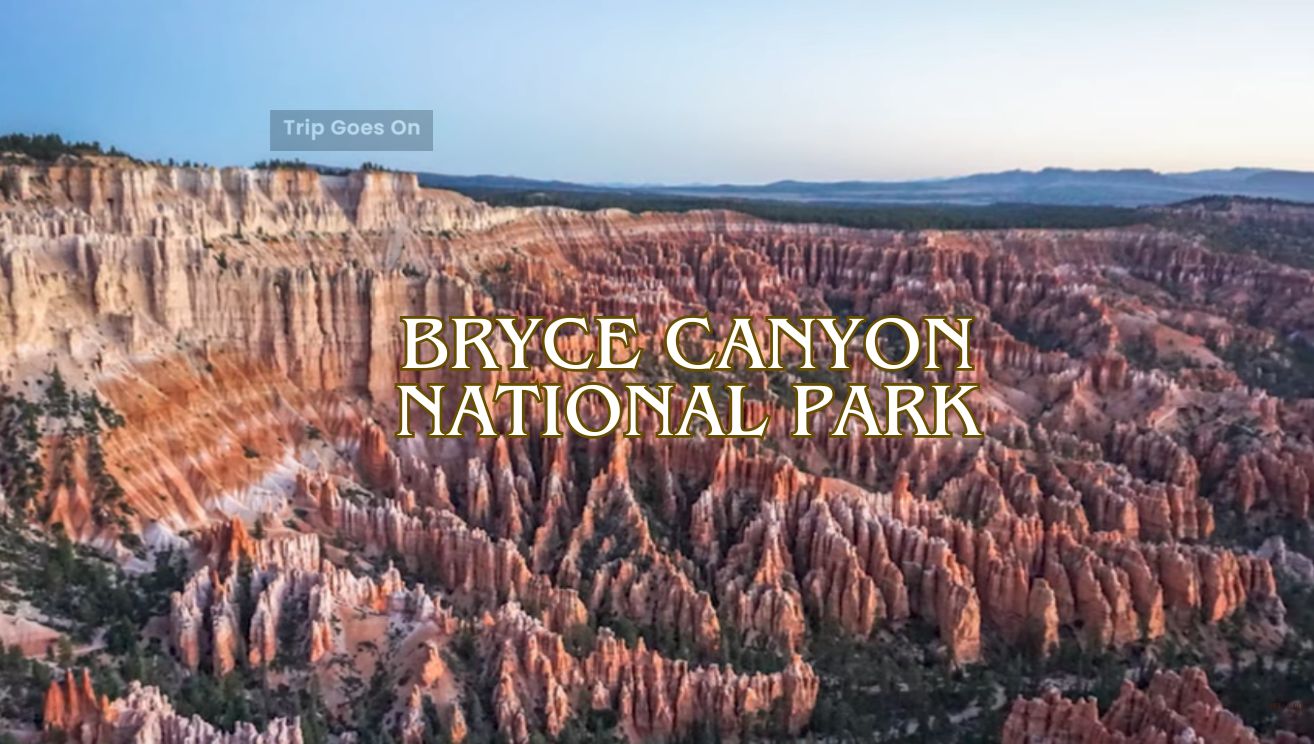
Bryce Canyon National Park, located in Bryce, Utah, United States of America, is a stunning natural wonder renowned for its unique geological formations, vibrant colors, and expansive vistas. This national park, established in 1928, is not a canyon in the traditional sense but a collection of giant natural amphitheaters sculpted by erosion and weathering processes over millions of years. The park covers an area of approximately 56 square miles, attracting visitors from around the globe who come to experience its breathtaking landscapes and rich biodiversity.
History and Significance
The history of Bryce Canyon dates back thousands of years, with evidence of human habitation by Native American tribes such as the Paiute. These early inhabitants revered the area, weaving its natural beauty into their cultural narratives. The park was named after Ebenezer Bryce, a Mormon settler who homesteaded in the area in the late 1800s. His name, along with his stories of the canyon, helped draw attention to this remarkable landscape.
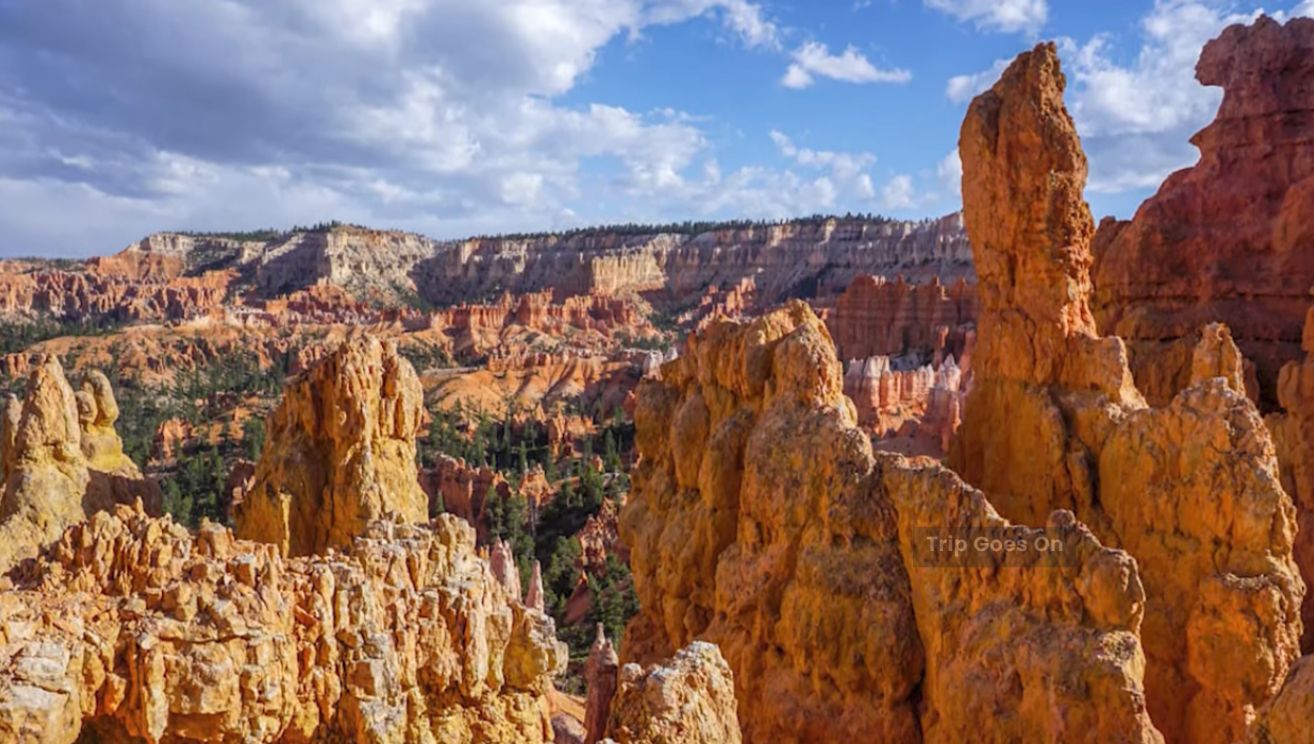
In 1928, Bryce Canyon was designated as a national park, highlighting its ecological and geological significance. The park is home to the largest concentration of hoodoos—tall, thin spires of rock—found anywhere in the world. These formations are created through a process called frost-wedging, where water seeps into cracks in the rock, freezes, and expands, ultimately causing the rock to break apart.
Natural Architecture
Bryce Canyon's unique geology is characterized by its colorful layers of sedimentary rock, primarily limestone, sandstone, and mudstone. The park's elevation ranges from 8,000 to 9,000 feet, providing a diverse range of ecosystems, from ponderosa pine forests to alpine tundra. The interplay of light and shadow across the canyon walls creates a dynamic landscape that changes throughout the day, showcasing a palette of reds, oranges, and whites.
- Hoodoos: The park's most iconic feature, hoodoos are formed through erosion and stand as towering sentinels of the canyon.
- Natural Bridges: These impressive rock formations are the result of erosion and showcase the power of water in shaping the landscape.
- Plateaus and Cliffs: The park features stunning plateaus and cliffs that offer panoramic views and dramatic drop-offs.
Visitor Highlights
Bryce Canyon National Park offers a plethora of activities for visitors to immerse themselves in the beauty of nature. Some highlights include:
- Scenic Drives: The 18-mile scenic drive provides access to numerous viewpoints, including the popular Sunrise Point and Sunset Point, where visitors can witness breathtaking sunrises and sunsets.
- Hiking Trails: The park boasts over 50 miles of hiking trails, ranging from easy walks along the rim to challenging treks into the canyon. The Navajo Loop Trail and Queen's Garden Trail are particularly popular for their stunning views and unique rock formations.
- Stargazing: Designated as an International Dark Sky Park, Bryce Canyon offers exceptional stargazing opportunities, allowing visitors to marvel at the Milky Way and countless constellations.
- Ranger Programs: The park hosts various ranger-led programs, including guided hikes, talks, and evening programs that delve into the park's natural history and cultural significance.
Cultural Importance
Bryce Canyon National Park is not only a geological marvel but also a site of cultural significance. The Paiute people have long regarded the canyon as a sacred space, filled with stories and legends. The park's name itself reflects the influence of early settlers and their connection to the land. Today, the park serves as a reminder of the importance of preserving natural landscapes for future generations, fostering a deeper appreciation for the environment and its history.
Best Time to Visit
The best time to visit Bryce Canyon National Park is during the spring (April to June) and fall (September to October) months. During these seasons, temperatures are moderate, and the park is less crowded compared to the summer months. Spring showcases blooming wildflowers and lush greenery, while fall offers vibrant autumn colors against the backdrop of the canyon's stunning formations. Winter (December to February) transforms the park into a snowy wonderland, ideal for those looking to experience a quieter, more serene atmosphere.
Travel Tips
- Dress in Layers: Due to the park's elevation, temperatures can vary significantly throughout the day. Dressing in layers will help you stay comfortable.
- Stay Hydrated: The dry climate can lead to dehydration, especially during hikes. Carry plenty of water with you.
- Plan Ahead: Check the park's official website for information on road conditions, trail closures, and ranger-led programs.
- Respect Wildlife: Keep a safe distance from all wildlife and do not feed animals. Observing them from afar helps maintain their natural behaviors.
- Leave No Trace: Follow Leave No Trace principles to preserve the park's beauty for future visitors.
Conclusion
Bryce Canyon National Park is a breathtaking destination that captivates visitors with its unique geological features, rich history, and vibrant ecosystems. Whether you're an avid hiker, a photography enthusiast, or simply seeking a tranquil escape into nature, this national park offers an unforgettable experience. Embrace the beauty and wonder of Bryce Canyon and create memories that will last a lifetime.