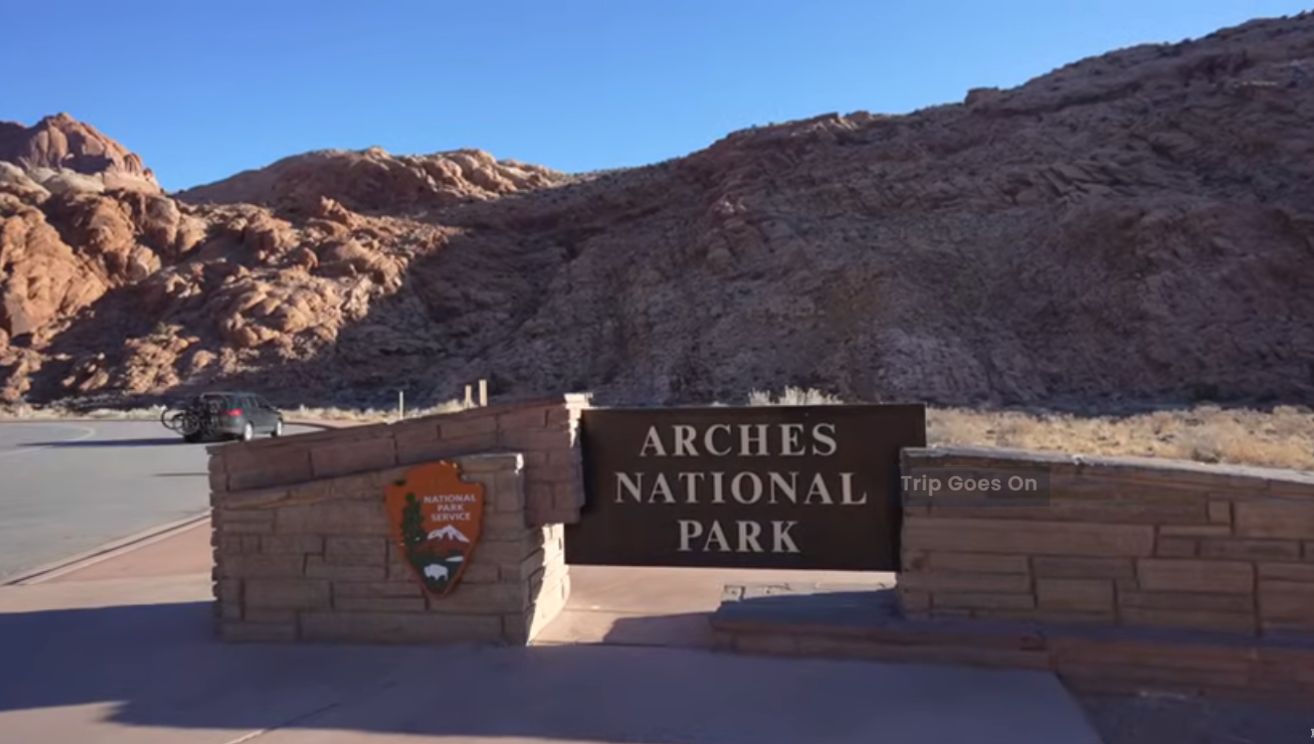
Canyonlands
Canyonlands National Park
Overview
Located near Moab, Utah, Canyonlands National Park is a breathtaking expanse of rugged terrain, deep canyons, and striking rock formations. Established in 1964, this park spans over 337,000 acres and is divided into four distinct districts: Island in the Sky, The Needles, The Maze, and the Colorado River. Each area offers a unique perspective on the stunning landscape, making it a paradise for outdoor enthusiasts and nature lovers.
History
The history of Canyonlands is as rich as its geological formations. The region has been inhabited for thousands of years, with evidence of Native American cultures dating back to the Archaic period. The Ancestral Puebloans, known for their intricate pottery and cliff dwellings, thrived in the area until around 1300 AD. European explorers, including John Wesley Powell, were among the first to document the park's dramatic scenery in the late 19th century.
Significance
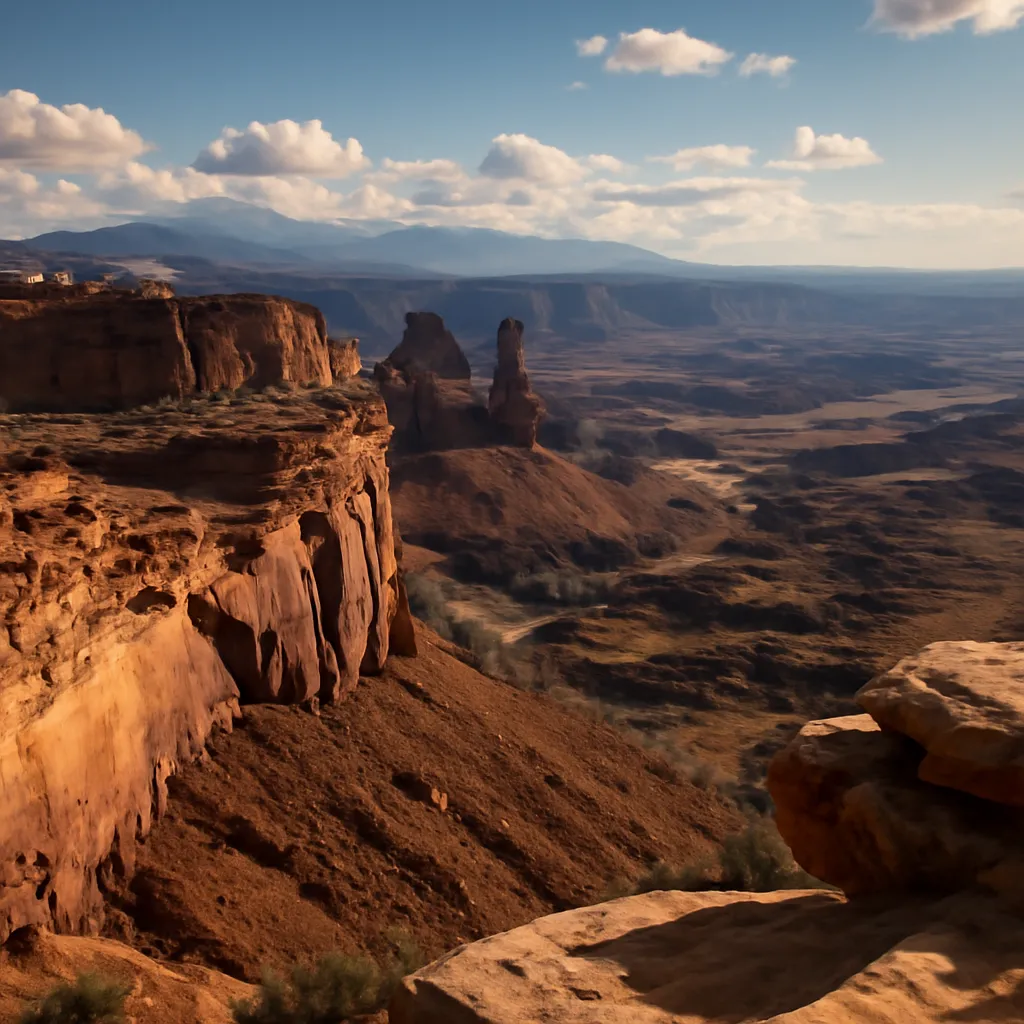
Canyonlands is significant not only for its natural beauty but also for its diverse ecosystems and archaeological sites. The park showcases the power of erosion and the geological history of the Colorado Plateau. Visitors can witness the dramatic interplay of water, wind, and time that has shaped the landscape into a mesmerizing mosaic of canyons, mesas, and buttes.
Natural Features
The park's geology is characterized by colorful rock layers, with formations that tell the story of Earth's history. The iconic Island in the Sky offers panoramic views of the surrounding canyons and the Colorado River. The Needles District is known for its towering spires and intricate rock formations, while the remote Maze District presents a challenging terrain for adventurous explorers. Each district provides a unique opportunity to experience the park's diverse landscapes.
Visitor Highlights
- Grand View Point: A must-see overlook offering breathtaking views of the canyons below.
- Dead Horse Point State Park: Adjacent to Canyonlands, this park provides stunning vistas and excellent hiking trails.
- White Rim Road: A scenic drive that offers access to some of the park's most remote areas, ideal for four-wheel drive vehicles.
- Hiking Trails: From easy walks to challenging hikes, trails like the Mesa Arch Trail and the Chesler Park Loop cater to all skill levels.
- Stargazing: Canyonlands is recognized as an International Dark Sky Park, making it a prime location for stargazing enthusiasts.
Cultural Importance
The cultural significance of Canyonlands extends beyond its geological wonders. The park is a sacred place for several Native American tribes, including the Navajo, Ute, and Hopi, who have deep spiritual connections to the land. The rock art, ancient dwellings, and artifacts found throughout the park provide insight into the lives of these early inhabitants. Today, efforts are made to preserve the cultural heritage and educate visitors about the importance of respecting these historical sites.
Best Time to Visit
The best time to visit Canyonlands National Park is during the spring (March to May) and fall (September to November) when temperatures are mild, and the wildflowers bloom. Summer can be extremely hot, with temperatures often exceeding 100°F (38°C), while winter brings cooler temperatures and occasional snowfall, creating a serene atmosphere but limiting access to some areas.
Travel Tips
- Plan Ahead: Check for any road closures or trail conditions before your visit, especially if you plan to explore the more remote areas.
- Stay Hydrated: Carry plenty of water, especially during the hotter months, as water sources are limited within the park.
- Dress in Layers: Weather can change quickly in the desert, so dressing in layers will help you adapt to varying temperatures.
- Respect Wildlife: Observe wildlife from a distance and do not feed or approach animals.
- Leave No Trace: Follow the principles of Leave No Trace to help preserve the park's natural beauty for future generations.
Conclusion
Canyonlands National Park is a stunning testament to the power of nature and a treasure trove of history and culture. Whether you are hiking through its canyons, marveling at its geological features, or simply soaking in the breathtaking views, a visit to Canyonlands promises an unforgettable experience. Embrace the adventure and immerse yourself in the beauty of this remarkable landscape, where every turn reveals a new wonder.