Zion National Park

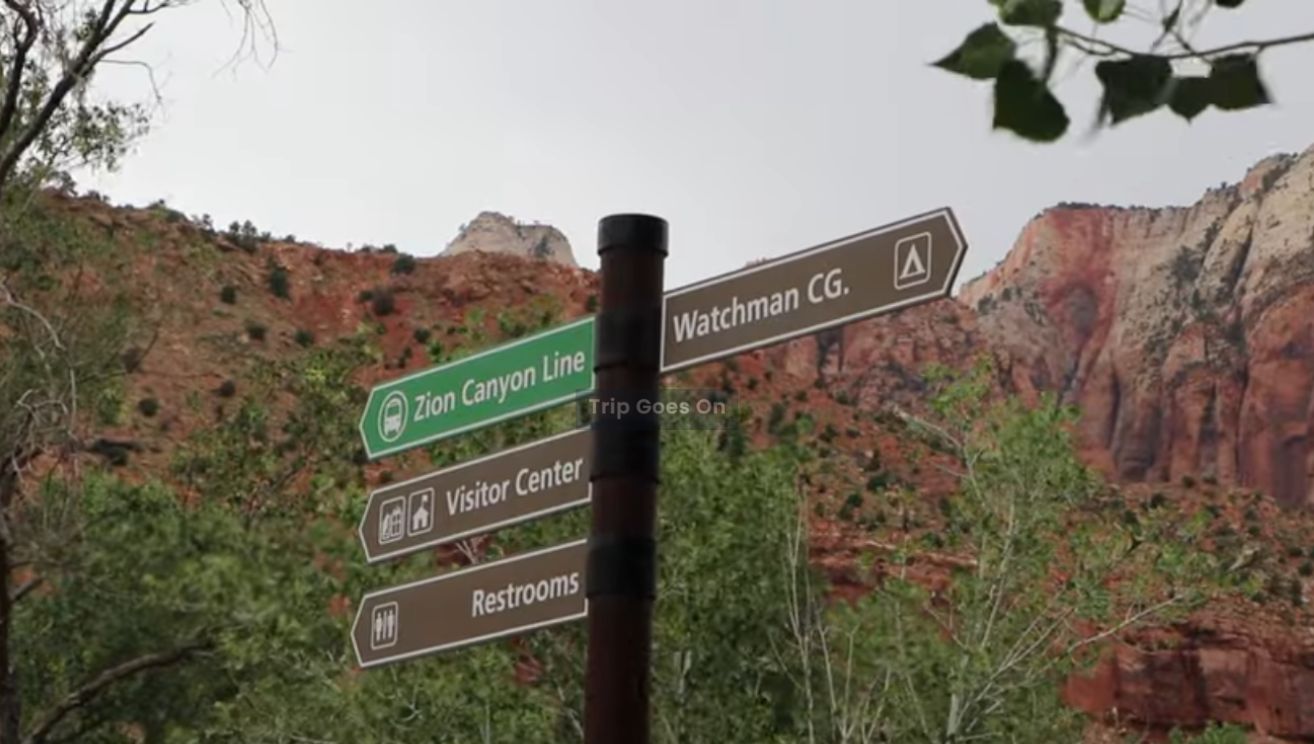
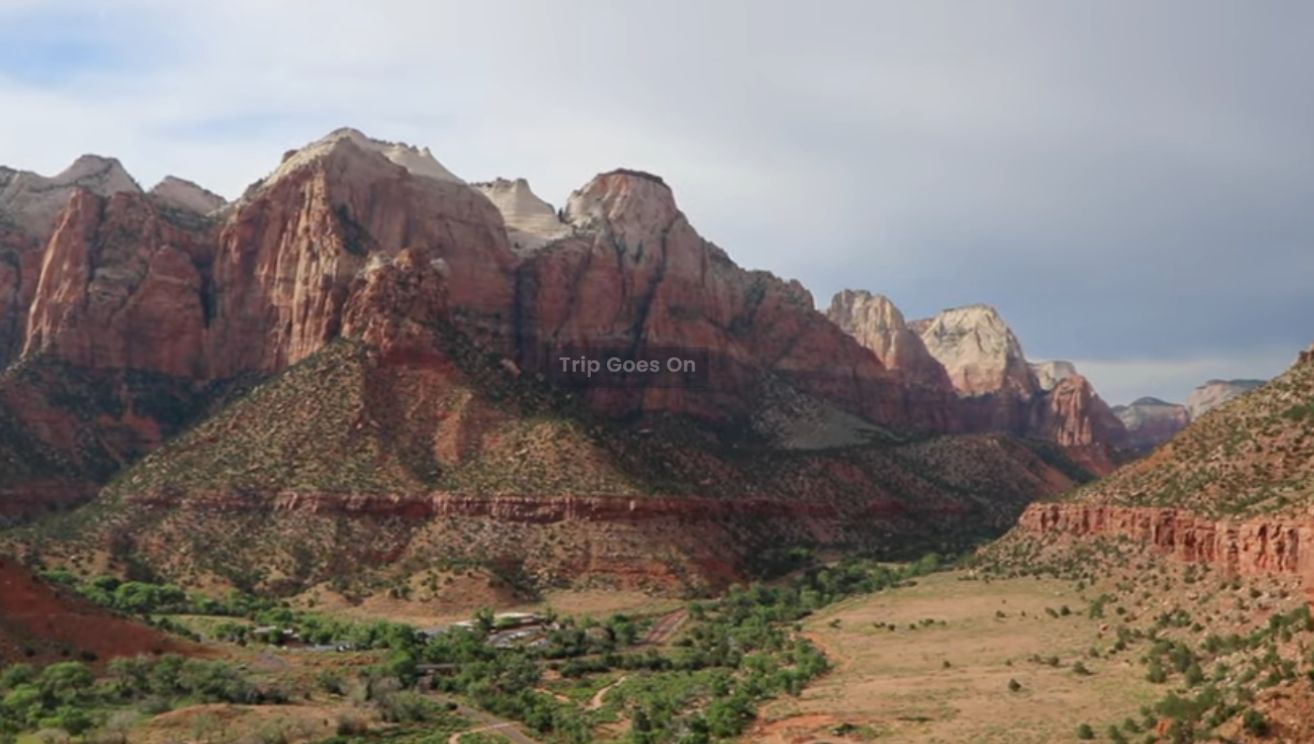
Zion National Park
Location
Zion National Park is nestled in the stunning landscapes of Springdale, Utah, United States of America. This breathtaking national park is a haven for outdoor enthusiasts, photographers, and nature lovers alike, showcasing a unique blend of geological wonders, diverse ecosystems, and rich cultural history.
History and Significance
Established as a national park in 1919, Zion is one of the oldest national parks in the United States. The park was originally inhabited by the Southern Paiute people, who referred to the area as "Mukuntuweap," meaning “the place where the water runs.” The name was later changed to Zion, derived from a Hebrew word meaning "sanctuary" or "place of refuge," reflecting the park's serene and majestic landscapes.
The region's geology is a testament to millions of years of natural processes. The iconic red cliffs and canyons were formed from ancient sand dunes, eroded over time by wind and water. Today, the park is recognized for its striking rock formations, including the famous Zion Canyon, which draws millions of visitors each year.
Architectural and Natural Features
Zion National Park boasts an array of architectural and natural features that capture the imagination. The park's most notable formations include:
- Zion Canyon: A massive canyon carved by the Virgin River, offering stunning views and numerous hiking trails.
- The Narrows: A dramatic slot canyon where visitors can wade through the Virgin River, surrounded by towering canyon walls.
- Angels Landing: A challenging hike that rewards adventurers with panoramic views of the canyon from a towering rock formation.
- Observation Point: Offering one of the highest viewpoints in the park, this trail provides breathtaking vistas of Zion Canyon.
- Checkerboard Mesa: A unique rock formation characterized by a grid-like pattern, showcasing the park's geological diversity.
Visitor Highlights
For those planning a visit, Zion National Park offers a myriad of activities and highlights:
- Hiking: With over 90 miles of trails, Zion is a hiker's paradise. Popular trails include the easy Riverside Walk, the moderate Emerald Pools, and the strenuous Angel’s Landing.
- Wildlife Watching: The park is home to diverse wildlife, including mule deer, bighorn sheep, and a variety of bird species, making it an excellent location for nature enthusiasts.
- Photography: The park's dramatic landscapes provide countless opportunities for photography, especially during sunrise and sunset when the cliffs glow in vibrant hues.
- Ranger Programs: Engage with the park's natural and cultural history through ranger-led programs, including guided hikes, talks, and evening programs.
- Canyoneering: For the adventurous, canyoneering offers a unique way to explore the park’s slot canyons and rugged terrain.
Cultural Importance
Zion National Park is not just a natural wonder; it is also a place of cultural significance. The Southern Paiute people, who have lived in the area for thousands of years, consider Zion a sacred landscape. The park's history is also marked by early Mormon settlers who recognized the area’s beauty and potential for agriculture.
Today, Zion serves as a reminder of the importance of preserving natural landscapes and cultural heritage, offering visitors a chance to connect with both the land and its history.
Best Time to Visit
The best time to visit Zion National Park largely depends on the type of experience you seek:
- Spring (March to May): Ideal for wildflower blooms and moderate temperatures, making it perfect for hiking and photography.
- Summer (June to August): The peak season with warm weather, though it can be crowded. Early morning hikes are recommended to avoid the heat.
- Fall (September to November): Known for stunning fall foliage and cooler temperatures, offering a quieter experience.
- Winter (December to February): A peaceful time to visit, with fewer crowds and the possibility of snow creating a magical atmosphere.
Travel Tips
To make the most of your visit to Zion National Park, consider the following travel tips:
- Plan Ahead: Reservations are recommended for campgrounds and accommodations, especially during peak seasons.
- Stay Hydrated: Carry plenty of water, especially during hikes, as the desert climate can be dehydrating.
- Dress Appropriately: Wear sturdy hiking shoes and dress in layers to accommodate changing temperatures throughout the day.
- Respect Nature: Follow Leave No Trace principles to preserve the park’s beauty for future generations.
- Check Weather Conditions: Be aware of weather changes, especially during monsoon season when flash floods can occur.
Whether you’re seeking adventure, tranquility, or a deeper understanding of nature and culture, Zion National Park offers an unforgettable experience that will leave you in awe of its breathtaking beauty and rich history.