Capitol Reef
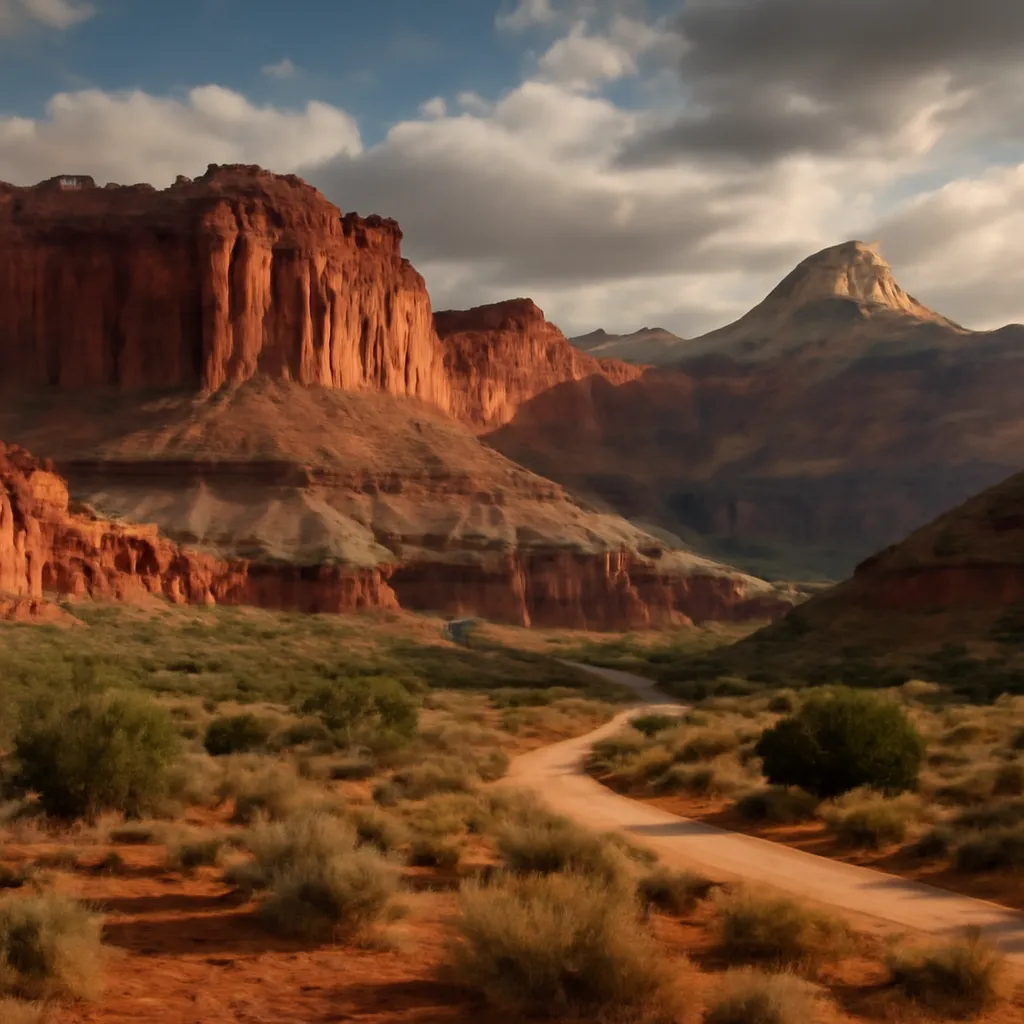
Discover Capitol Reef National Park
Overview
Capitol Reef National Park, located near Torrey, Utah, is a stunning expanse of natural beauty that showcases the unique geological features of the Colorado Plateau. Spanning over 241,000 acres, this park is renowned for its dramatic cliffs, canyons, and a rich tapestry of desert landscapes. The park's name is derived from the white domes of Navajo sandstone that resemble the dome of the U.S. Capitol building, making it a striking landmark in the American Southwest.
History and Significance
Established as a national park in 1971, Capitol Reef has a rich history that dates back thousands of years. The area was originally inhabited by Native American tribes, including the Fremont people, who left behind petroglyphs and other archaeological artifacts. These ancient inhabitants thrived in the region, cultivating crops and creating intricate rock art.
In the late 1800s, European settlers arrived, drawn by the fertile land and the promise of agriculture. They established communities, and remnants of their efforts can still be seen today, particularly in the Fruita area, where historic orchards and buildings remain. The park's preservation as a national park helps to protect both its natural wonders and its cultural heritage.
Geological Marvels
The geology of Capitol Reef is a highlight for visitors and geologists alike. The park features a variety of rock formations, including:
- Waterpocket Fold: A nearly 100-mile-long warp in the Earth's crust, this geological feature is the centerpiece of the park, showcasing layers of rock that date back over 200 million years.
- Cliff Formations: The park is adorned with stunning cliffs of red and white sandstone, creating a vibrant contrast against the deep blue sky.
- Canyons and Arches: Visitors can explore narrow canyons and natural arches, each providing unique views and photographic opportunities.
Visitor Highlights
Capitol Reef offers numerous activities and attractions for visitors to enjoy:
- Hiking: With over 15 hiking trails ranging from easy walks to challenging treks, hikers can explore the park’s diverse landscapes. Popular trails include the Hickman Bridge and Chimney Rock trails.
- Scenic Drives: The Capitol Reef Scenic Drive provides access to stunning viewpoints and trailheads, allowing visitors to experience the park's beauty from the comfort of their vehicles.
- Wildlife Watching: The park is home to a variety of wildlife, including mule deer, coyotes, and numerous bird species, making it a great destination for nature enthusiasts.
- Stargazing: Designated as an International Dark Sky Park, Capitol Reef offers some of the clearest night skies in the country, perfect for stargazing and astrophotography.
Cultural Importance
Capitol Reef is not just a natural wonder; it is also a place of cultural significance. The park honors the heritage of the Native American tribes that once inhabited the area, as well as the pioneer families who settled there in the late 19th century. The Fruita Historic District, with its preserved buildings and orchards, tells the story of these early settlers and their connection to the land.
Visitors can engage with this cultural history through guided tours, ranger-led programs, and interpretive exhibits that highlight the stories of the people who have called this beautiful landscape home.
Best Time to Visit
The optimal time to visit Capitol Reef National Park is during the spring (April to June) and fall (September to October) months. During these seasons, temperatures are mild, and the wildflowers bloom, creating a vibrant landscape. Summer can be extremely hot, with temperatures often exceeding 100°F (38°C), while winter can bring snow and cold temperatures, making some areas less accessible.
Travel Tips
To make the most of your visit to Capitol Reef, consider the following tips:
- Stay Hydrated: The desert climate can be dry, so carry plenty of water, especially during hikes.
- Plan Ahead: Check for trail conditions and park alerts before your visit, as some areas may be closed due to weather or maintenance.
- Respect Wildlife: Observe wildlife from a distance and do not feed or approach animals.
- Pack Layered Clothing: Temperatures can fluctuate significantly throughout the day, so dress in layers to stay comfortable.
- Visit the Visitor Center: Stop by the Capitol Reef Visitor Center for maps, information, and educational exhibits about the park's natural and cultural history.
Conclusion
Capitol Reef National Park is a treasure trove of natural beauty, rich history, and cultural significance. Whether you are an avid hiker, a photography enthusiast, or simply seeking a serene escape into nature, this park offers an unforgettable experience. Embrace the stunning landscapes, explore the rich heritage, and create lasting memories in one of Utah's most captivating national parks.