Shenandoah National Park
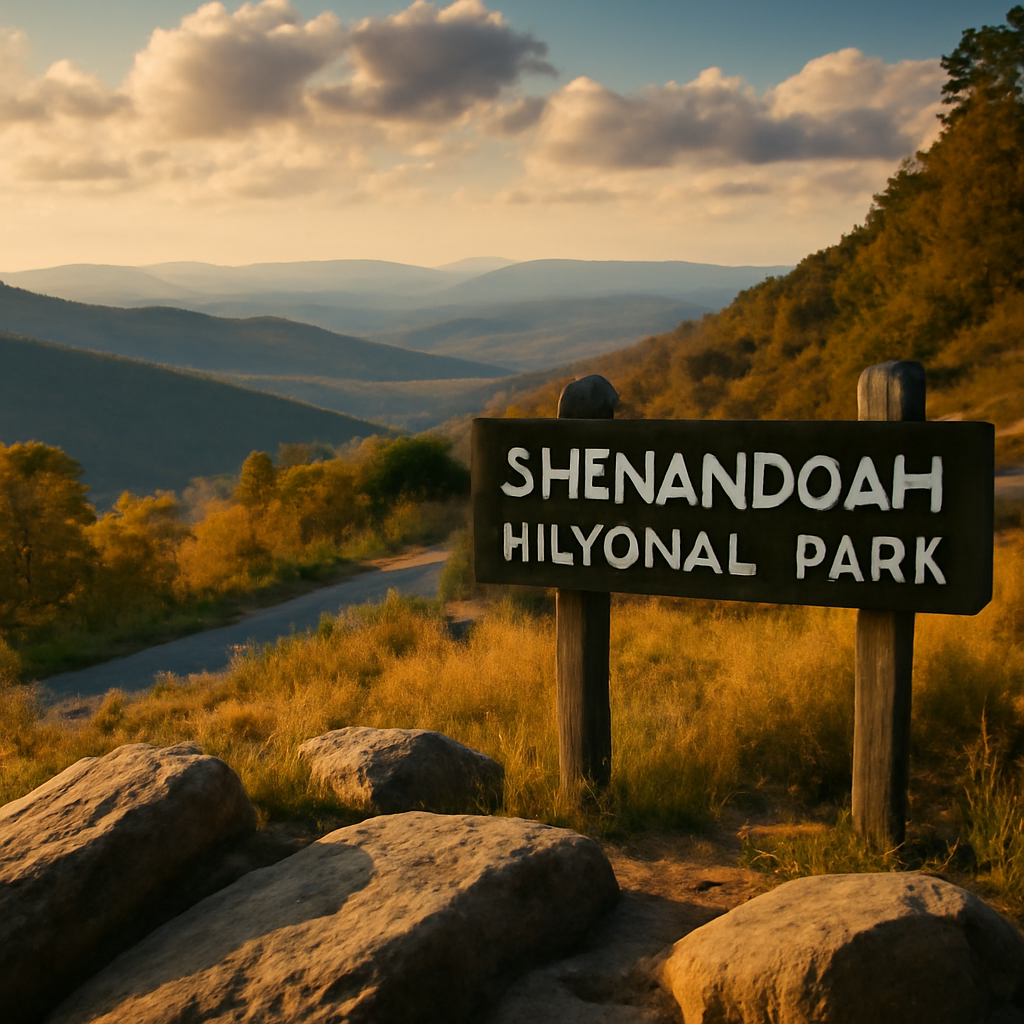
Shenandoah National Park: A Natural Wonderland in Virginia
Overview
Nestled in the breathtaking Blue Ridge Mountains, Shenandoah National Park spans over 200,000 acres of protected lands in Luray, Virginia. This stunning park is renowned for its diverse ecosystems, cascading waterfalls, and panoramic vistas, making it a premier destination for nature lovers, hikers, and outdoor enthusiasts. Established in 1935, Shenandoah National Park offers a unique blend of natural beauty, rich history, and cultural significance.
History and Significance
The history of Shenandoah National Park is deeply intertwined with the American conservation movement. The area was originally inhabited by Native American tribes, including the Shawnee and Iroquois. In the early 20th century, the land was threatened by logging and agriculture. In response, local conservationists campaigned for the establishment of a national park. Their efforts culminated in the creation of Shenandoah National Park in 1935, preserving its natural beauty for future generations.
Throughout its history, the park has served as a refuge for wildlife and a sanctuary for visitors seeking solace in nature. It plays a crucial role in conservation efforts, protecting the habitats of numerous species, including black bears, deer, and over 200 species of birds.
Natural Features and Architecture
Shenandoah National Park is characterized by its stunning landscapes, which include rolling mountains, lush forests, and vibrant valleys. The park is home to:
- Blue Ridge Mountains: The park encompasses a portion of the Blue Ridge Mountain range, offering breathtaking views from various overlooks along Skyline Drive.
- Waterfalls: Numerous waterfalls, such as Dark Hollow Falls and Lewis Falls, provide picturesque spots for hiking and photography.
- Diverse Flora and Fauna: The park's ecosystems range from oak and hickory forests to wildflower meadows, supporting a rich variety of wildlife.
Visitor Highlights
Shenandoah National Park is a treasure trove of attractions and activities for visitors:
- Skyline Drive: This scenic byway runs 105 miles along the crest of the Blue Ridge Mountains, offering stunning views of the Shenandoah Valley and the Appalachian Mountains. It is particularly popular during the fall when the foliage transforms into a vibrant tapestry of colors.
- Hiking Trails: With over 500 miles of hiking trails, including a portion of the Appalachian Trail, the park caters to all skill levels. Popular hikes include the challenging Old Rag Mountain and the family-friendly Stony Man Trail.
- Wildlife Watching: The park is an excellent location for observing wildlife, especially during dawn and dusk. Keep an eye out for black bears, deer, and various bird species.
- Visitor Centers: The park features several visitor centers, including the Dickey Ridge Visitor Center and the Loft Mountain Campground, where visitors can learn about the park's history, ecology, and recreational opportunities.
Cultural Importance
Shenandoah National Park is not only a natural haven but also a site of cultural significance. The park's history includes remnants of early American settlements, including old homesteads, cemeteries, and remnants of the agricultural communities that once thrived here. The park preserves the stories of the people who lived in the region before it became a national park, providing visitors with a glimpse into the past.
Additionally, the park hosts various cultural events and educational programs throughout the year, promoting awareness and appreciation of the area's history and ecology.
Best Time to Visit
The ideal time to visit Shenandoah National Park largely depends on the activities you wish to pursue:
- Spring (March to May): A vibrant burst of wildflowers and mild temperatures make spring an excellent time for hiking and wildlife viewing.
- Summer (June to August): Warm weather is perfect for camping and exploring the park's extensive trail system. However, be prepared for occasional thunderstorms.
- Fall (September to November): Renowned for its stunning fall foliage, this season attracts many visitors who come to witness the vibrant colors of the leaves.
- Winter (December to February): The park transforms into a serene winter wonderland, ideal for solitude and winter hiking, though some trails may be closed due to snow.
Travel Tips
To make the most of your visit to Shenandoah National Park, consider the following tips:
- Plan Ahead: Check the park's website for current conditions, trail closures, and any special events during your visit.
- Pack Essentials: Bring plenty of water, snacks, and appropriate gear for hiking. Layered clothing is recommended, as temperatures can vary significantly.
- Respect Wildlife: Observe animals from a safe distance and never feed them. Keep food stored securely to avoid attracting wildlife.
- Leave No Trace: Follow Leave No Trace principles to minimize your impact on the environment and preserve the park's beauty for future visitors.
Shenandoah National Park is a captivating destination that offers a perfect blend of natural beauty, rich history, and outdoor adventure. Whether you seek solitude in nature, exhilarating hikes, or simply a scenic drive, this national park promises an unforgettable experience in the heart of Virginia.