George Washington’s Mount Vernon
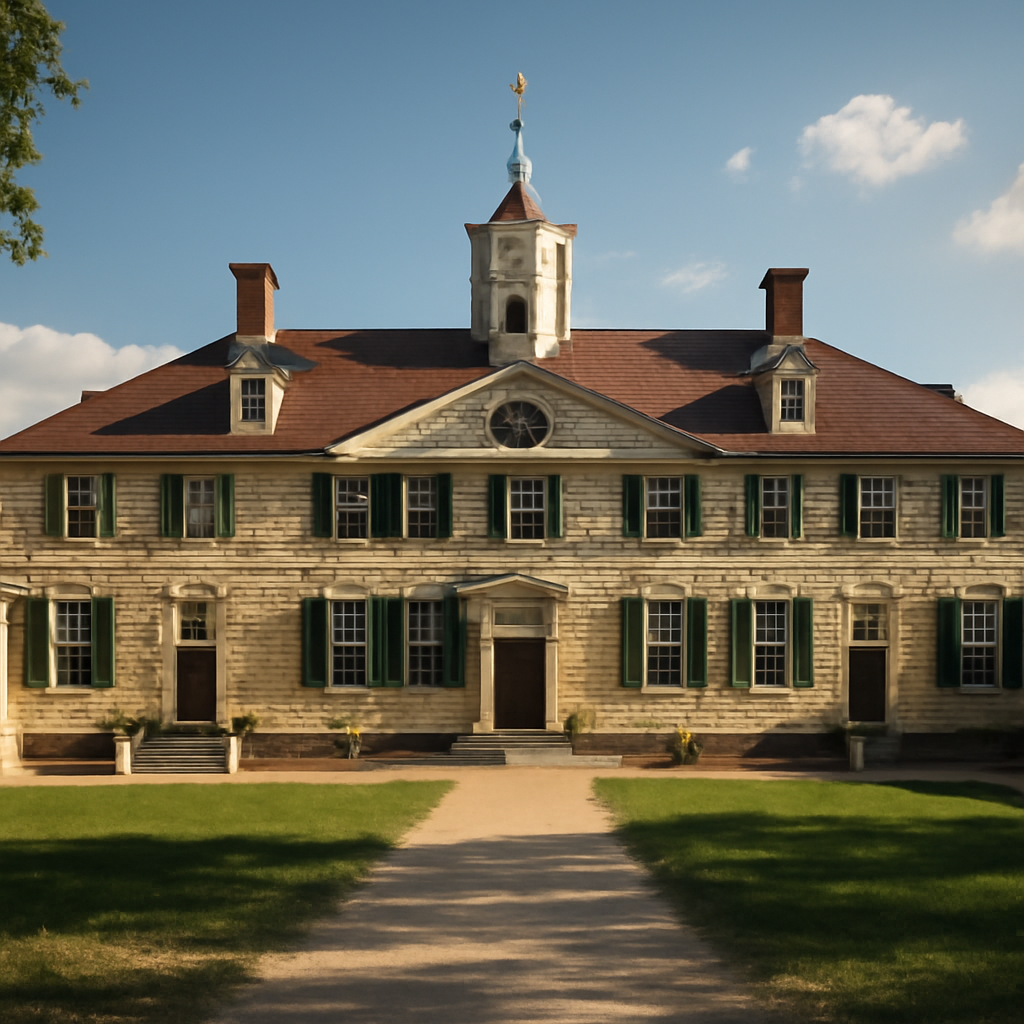
George Washington’s Mount Vernon
Introduction
Located in the picturesque landscape of Mount Vernon, Virginia, George Washington’s Mount Vernon stands as a testament to the life and legacy of America’s first president. This historic estate, overlooking the Potomac River, is not only a significant piece of American history but also a beautifully preserved site that offers visitors a glimpse into the 18th-century lifestyle of George Washington and his family.
History and Significance
George Washington acquired Mount Vernon in 1754, and over the years, he expanded the estate to encompass over 8,000 acres. This plantation was not just a home; it was a working farm that produced a variety of crops, including tobacco, wheat, and corn. Washington's vision for Mount Vernon included innovative agricultural practices that laid the groundwork for modern farming techniques.
After his death in 1799, Mount Vernon became a symbol of American heritage. The estate was preserved and restored by the Mount Vernon Ladies’ Association in 1853, making it the first historic preservation organization in the United States. Today, Mount Vernon is a National Historic Landmark, drawing visitors from around the world who come to explore the life of one of America’s most revered figures.
Architecture and Nature
The architectural style of Mount Vernon reflects the Georgian design popular in the 18th century. The mansion features a distinctive cupola and a large portico, providing breathtaking views of the Potomac River. The interior of the mansion is equally impressive, showcasing original furnishings, art, and artifacts that belonged to Washington and his family.
The estate is surrounded by beautifully landscaped gardens, which include a variety of flowering plants, herbs, and vegetables that Washington himself cultivated. The gardens are meticulously maintained and provide a serene environment for visitors to enjoy. The estate also features several outbuildings, including the historic blacksmith shop, smokehouse, and the slave quarters, which offer insight into the lives of those who lived and worked on the plantation.
Visitor Highlights
- The Mansion: Explore the beautifully restored rooms of the mansion, including the central hall, dining room, and Washington's study, each filled with period furniture and personal items.
- The Museum: The museum houses an extensive collection of artifacts, including Washington's personal items, military uniforms, and documents that chronicle his life and presidency.
- The Gardens: Stroll through the stunning gardens, designed to reflect the aesthetic of the 18th century, featuring a variety of plants that Washington cultivated.
- Distillery and Gristmill: Visit the reconstructed distillery and gristmill, where visitors can learn about Washington's entrepreneurial ventures and see the production processes of the time.
- Guided Tours: Take advantage of the knowledgeable guides who offer engaging tours that delve into the history of Mount Vernon and the life of George Washington.
Cultural Importance
Mount Vernon is more than just a historic site; it is a cultural icon that reflects the values and challenges of early America. The estate serves as a reminder of Washington's leadership and vision for the nation. Educational programs and events hosted at Mount Vernon foster a deeper understanding of American history, encouraging visitors to reflect on the principles of democracy and freedom.
Moreover, Mount Vernon plays a crucial role in preserving African American history. The estate's slave quarters and the narratives surrounding the lives of enslaved individuals who worked at Mount Vernon provide important context to the complex history of slavery in America.
Best Time to Visit
The ideal time to visit Mount Vernon is during the spring (April to June) and fall (September to November) months. During these seasons, the weather is mild, and the gardens are in full bloom, showcasing vibrant colors and fragrances. Additionally, various seasonal events, such as the annual George Washington Birthday Celebration in February and the Mount Vernon Spring Garden Festival, enhance the visitor experience.
Travel Tips
- Plan Ahead: Check the official Mount Vernon website for updated hours, ticket prices, and any special events happening during your visit.
- Wear Comfortable Shoes: The estate encompasses a large area, so be prepared to walk and explore the grounds extensively.
- Bring a Camera: Capture the stunning views of the Potomac River and the beautifully landscaped gardens.
- Visit the Gift Shop: Take home a piece of history by visiting the gift shop, which offers a variety of books, souvenirs, and locally made products.
- Consider a Guided Tour: Enhance your experience by opting for a guided tour that provides in-depth knowledge and fascinating stories about George Washington and Mount Vernon.
Conclusion
George Washington’s Mount Vernon is an essential destination for anyone interested in American history, culture, and heritage. With its rich history, stunning architecture, and beautiful landscapes, Mount Vernon offers an unforgettable journey into the past, allowing visitors to connect with the enduring legacy of George Washington. Whether you are a history buff, a nature lover, or simply seeking a peaceful retreat, Mount Vernon promises a rewarding experience for all.