Olympic National Park

Explore Olympic National Park
Location and Overview
Situated in Port Angeles, Washington State, Olympic National Park is a breathtaking expanse of diverse ecosystems, ranging from rugged coastline to towering mountains and lush rainforests. Covering over 1,400 square miles, this UNESCO World Heritage Site is renowned for its natural beauty and ecological diversity, making it a premier destination for outdoor enthusiasts and nature lovers alike.
Historical Significance
Established as a national park in 1938, Olympic National Park has a rich history that dates back thousands of years, with the area being home to various Native American tribes, including the Makah, Quileute, and Hoh. These tribes have deep cultural ties to the land, relying on its resources for sustenance and spiritual practices. The park was designated to preserve its unique ecosystems and protect the cultural heritage of the indigenous peoples.
Natural Features and Architecture
The park is characterized by its stunning landscapes, which include:
- Mountains: The Olympic Mountain Range boasts peaks that rise over 7,000 feet, with the iconic Mount Olympus being the highest at 7,965 feet. Glaciers adorn many of these summits, providing a dramatic backdrop.
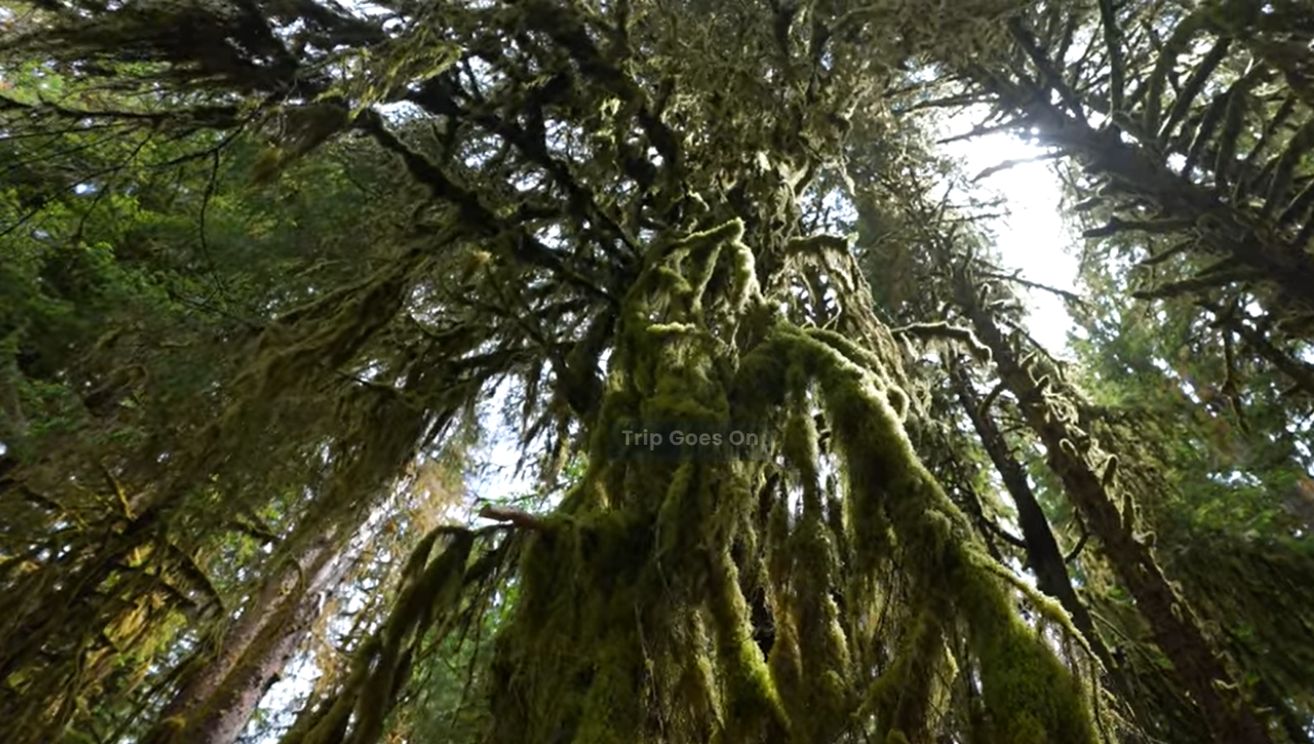
- Rainforests: The Hoh Rain Forest and Quinault Rain Forest are among the most lush and temperate rainforests in the world, featuring towering Sitka spruce and western hemlock trees, as well as an array of mosses and ferns.
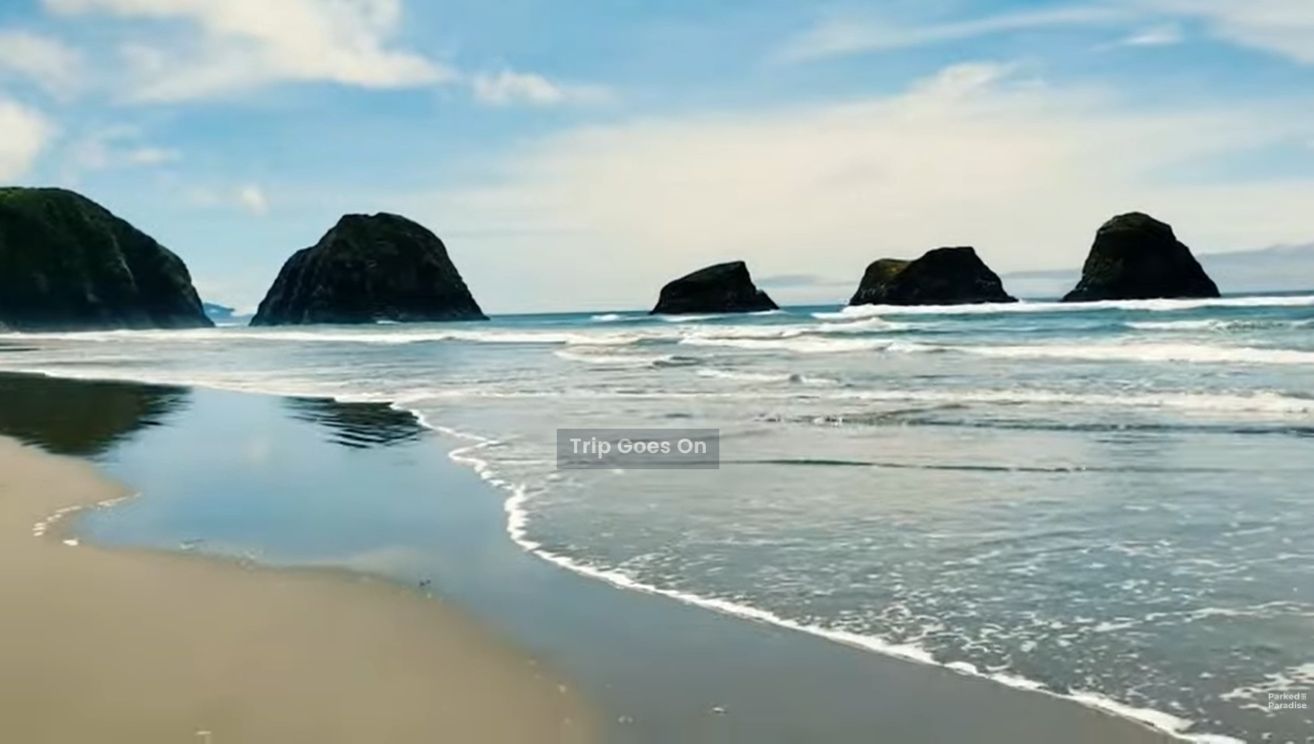
- Coastline: The rugged Pacific coastline stretches for over 70 miles, featuring tide pools, sea stacks, and pristine beaches. Rialto Beach and Ruby Beach are particularly popular for their stunning scenery and unique geological formations.
Visitor Highlights
Olympic National Park offers a multitude of activities and attractions for visitors, including:
- Hiking: With over 600 miles of trails, hikers can explore everything from easy walks to challenging backcountry routes. Popular hikes include the Hoh Rain Forest Trail, Hurricane Ridge Trail, and the Enchanted Valley Trail.
- Wildlife Viewing: The park is home to diverse wildlife, including elk, black bears, and over 300 species of birds. Visitors can often spot these animals in their natural habitats, especially in the early morning or late afternoon.
- Camping: There are numerous campgrounds within the park, offering a range of amenities. Popular spots include Hoh Campground, Kalaloch Campground, and Sol Duc Campground, each providing a unique experience amidst nature.
- Scenic Drives: The drive along Hurricane Ridge offers panoramic views of the Olympic Mountains and is particularly stunning during the summer months when wildflowers bloom.
Cultural Importance
The cultural significance of Olympic National Park extends beyond its natural beauty. The land is sacred to the Native American tribes who have inhabited it for generations. Their traditions, stories, and connections to the land are integral to the park's identity. Visitors are encouraged to respect the cultural heritage and learn about the native tribes through interpretive programs and visitor centers.
Best Time to Visit
The best time to visit Olympic National Park largely depends on the activities you wish to enjoy:
- Summer (June to September): This is the most popular season, characterized by warm temperatures, clear skies, and accessible trails. It’s ideal for hiking, camping, and exploring the coastline.
- Fall (October to November): Autumn brings vibrant foliage and fewer crowds. It’s a great time for photography and wildlife viewing, particularly for elk during mating season.
- Winter (December to February): Winter transforms the park into a snowy wonderland, perfect for snowshoeing and cross-country skiing, especially at Hurricane Ridge.
- Spring (March to May): As the snow melts, wildflowers begin to bloom, and waterfalls are at their peak. This is an excellent time for those looking to experience the park’s rejuvenation.
Travel Tips
To make the most of your visit to Olympic National Park, consider the following tips:
- Plan Ahead: Check for trail conditions and weather forecasts before your trip. Some areas may be closed due to snow or maintenance.
- Leave No Trace: Follow the principles of Leave No Trace to preserve the park’s beauty and protect its ecosystems.
- Pack Accordingly: Bring layers, as the weather can change rapidly. Good hiking boots, rain gear, and plenty of water are essential.
- Respect Wildlife: Observe wildlife from a safe distance and do not feed animals. This helps maintain their natural behavior and safety.
Conclusion
Olympic National Park is a treasure trove of natural wonders, rich history, and cultural significance. Whether you’re hiking through ancient forests, gazing at glacial peaks, or relaxing on a secluded beach, the park offers an unparalleled experience that connects visitors with the beauty of the Pacific Northwest. Plan your visit to discover the magic of Olympic National Park and create unforgettable memories in this spectacular landscape.