Grand Teton
.webp)
Grand Teton National Park
Overview
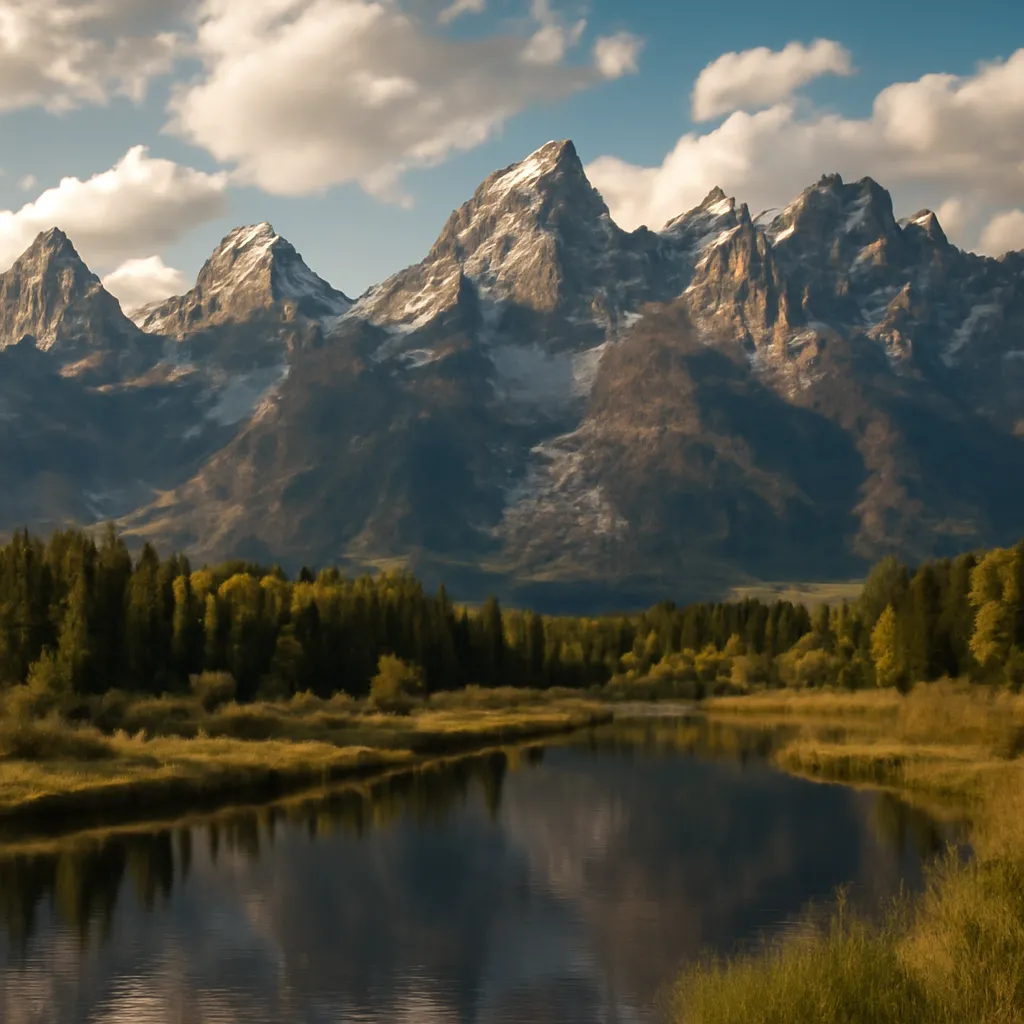
Located in the heart of Wyoming, Grand Teton National Park is a majestic natural wonder that boasts breathtaking vistas, diverse wildlife, and a plethora of recreational opportunities. Spanning over 310,000 acres, this park is a haven for outdoor enthusiasts, photographers, and nature lovers alike. The park is named after the Teton Range, a striking group of mountains that dominate the skyline, offering some of the most scenic views in the United States.
History and Significance
The history of Grand Teton National Park is rich and multifaceted. The area was originally inhabited by Native American tribes, including the Shoshone and Crow, who revered the land for its natural beauty and resources. European explorers first ventured into the region in the early 19th century, with John Colter being one of the first known white men to explore the area in 1807. The park was established in 1929, largely due to the efforts of John D. Rockefeller Jr., who donated significant portions of land to protect its unique landscapes and ecosystems.
Natural Features
The park's landscape is characterized by the stunning Teton Range, which features peaks that rise dramatically from the valley floor. The highest peak, Grand Teton, reaches an elevation of 13,775 feet, making it a popular destination for climbers and hikers. The park is also home to pristine lakes, such as Jenny Lake and Jackson Lake, which provide opportunities for boating, fishing, and swimming.
In addition to its towering mountains and shimmering lakes, Grand Teton National Park is renowned for its diverse ecosystems. Visitors can explore lush forests, alpine meadows, and sweeping valleys that are home to a variety of wildlife, including moose, elk, bison, and black bears. The park's rich biodiversity makes it an important area for conservation and ecological study.
Visitor Highlights
- Jenny Lake: A must-visit spot, this glacial lake offers stunning views of the Teton Range. Visitors can hike around the lake or take a boat ride to enjoy the scenery from the water.
- Grand Teton: For the adventurous, summiting the Grand Teton is a challenging yet rewarding experience. The views from the top are unparalleled.
- Oxbow Bend: This iconic bend in the Snake River provides one of the most photographed views in the park, especially at sunrise when the mountains reflect in the water.
- Wildlife Watching: The park is teeming with wildlife, making it an excellent location for photography and nature observation. Early morning and late evening are the best times to spot animals.
- Scenic Drives: The Teton Park Road offers a leisurely drive with numerous pullouts for breathtaking views and photo opportunities.
Cultural Importance
Grand Teton National Park holds significant cultural value, both historically and in contemporary society. The area is sacred to Native American tribes, and their history is woven into the fabric of the landscape. Today, the park serves as a symbol of conservation and the protection of natural spaces. It attracts millions of visitors each year, encouraging a deeper appreciation for the environment and the importance of preserving it for future generations.
Best Time to Visit
The best time to visit Grand Teton National Park largely depends on the activities you wish to pursue. Summer (June to August) is peak season, offering warm temperatures and accessible trails. This is ideal for hiking, camping, and wildlife watching. Fall (September to October) brings stunning fall foliage and fewer crowds, making it a great time for photography. Winter (November to March) transforms the park into a snowy wonderland, perfect for skiing and snowshoeing. Spring (April to May) is beautiful as wildflowers bloom, but some areas may still be snow-covered.
Travel Tips
- Plan Ahead: Accommodations can fill up quickly during peak season, so book your lodging in advance.
- Dress in Layers: Weather can change rapidly in the mountains, so be prepared with appropriate clothing for varying conditions.
- Stay Hydrated: Bring plenty of water, especially when hiking. The elevation can be challenging, and staying hydrated is essential.
- Respect Wildlife: Maintain a safe distance from animals and never feed them. Use binoculars for a closer view.
- Leave No Trace: Follow the principles of Leave No Trace to help preserve the natural beauty of the park.
Conclusion
Grand Teton National Park is a breathtaking destination that offers a unique blend of natural beauty, outdoor adventure, and cultural significance. Whether you're hiking the rugged trails, photographing the stunning landscapes, or simply soaking in the tranquil atmosphere, the park promises an unforgettable experience. Embrace the wild spirit of Wyoming and discover the wonders of Grand Teton National Park on your next adventure.