Lowell Observatory
Lowell Observatory: A Celestial Gem in Flagstaff, Arizona
Introduction
Nestled in the picturesque landscape of Flagstaff, Arizona, Lowell Observatory stands as a beacon of astronomical research and public engagement. Established in 1894 by the visionary astronomer Percival Lowell, this historic institution has played a pivotal role in the advancement of our understanding of the universe. With its rich history, significant contributions to science, and stunning architecture, Lowell Observatory is a must-visit destination for both astronomy enthusiasts and casual travelers alike.
History and Significance
Lowell Observatory was founded during a time of great interest in astronomy and space exploration. Percival Lowell, inspired by his studies of Mars, sought to investigate the possibility of life on other planets. His work led to groundbreaking discoveries, including the observation of Pluto in 1930 by Clyde Tombaugh, a discovery that solidified the observatory's reputation as a leading astronomical research facility.
Throughout its history, Lowell Observatory has contributed significantly to various fields of astronomy, including planetary science, stellar studies, and the exploration of celestial phenomena. It has hosted numerous notable astronomers and researchers, making it a cornerstone of scientific inquiry in the United States.
Architectural and Natural Features
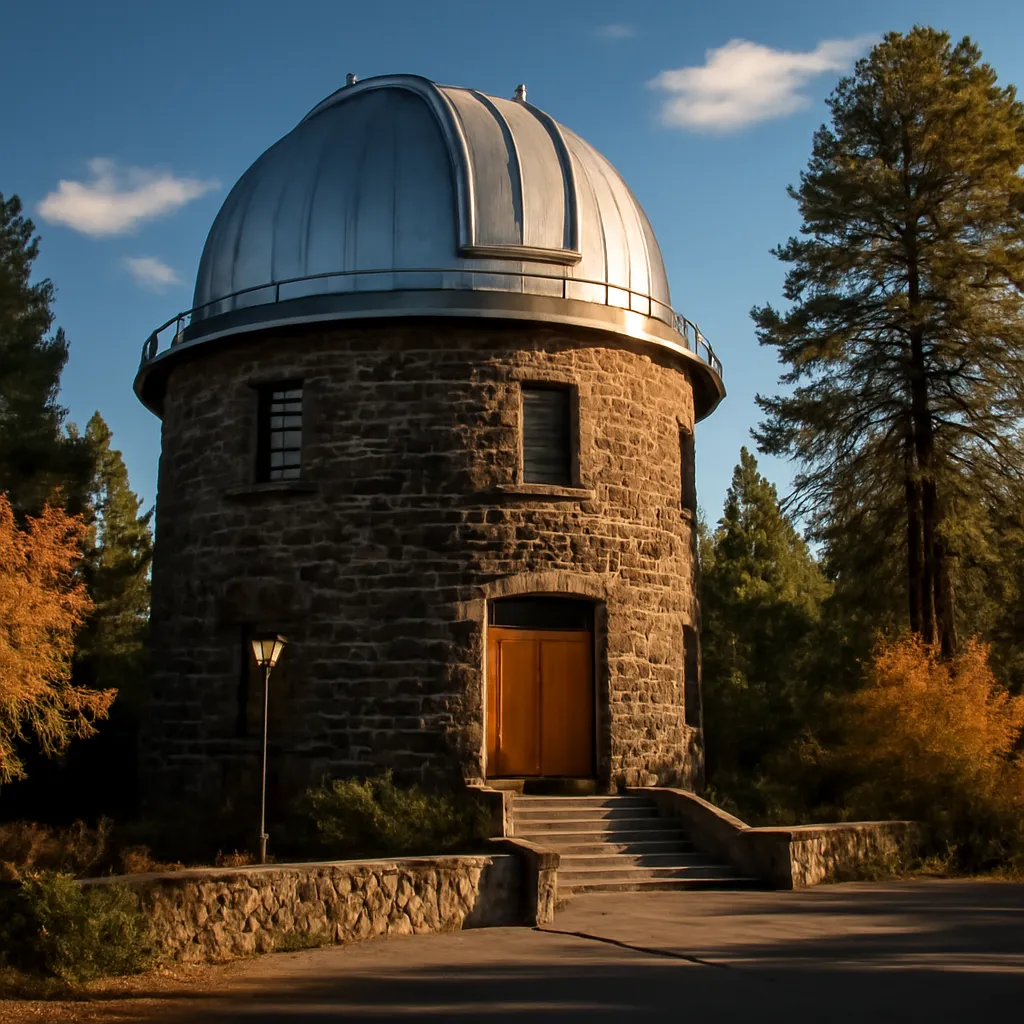
The observatory is situated on Mars Hill, which provides an ideal vantage point for stargazing due to its high elevation and minimal light pollution. The architecture of Lowell Observatory reflects its historical significance, with several buildings designed in the early 20th century that blend seamlessly with the natural landscape. Key structures include:
- The Clark Telescope Dome: Home to the historic 24-inch Clark refractor telescope, this dome has been a site of many important astronomical discoveries.
- The Pluto Discovery Telescope: This 13-inch telescope is where Clyde Tombaugh made his groundbreaking discovery of Pluto, marking a significant milestone in astronomy.
- The Visitor Center: A modern facility that serves as the gateway for visitors, offering exhibits, educational programs, and a gift shop.
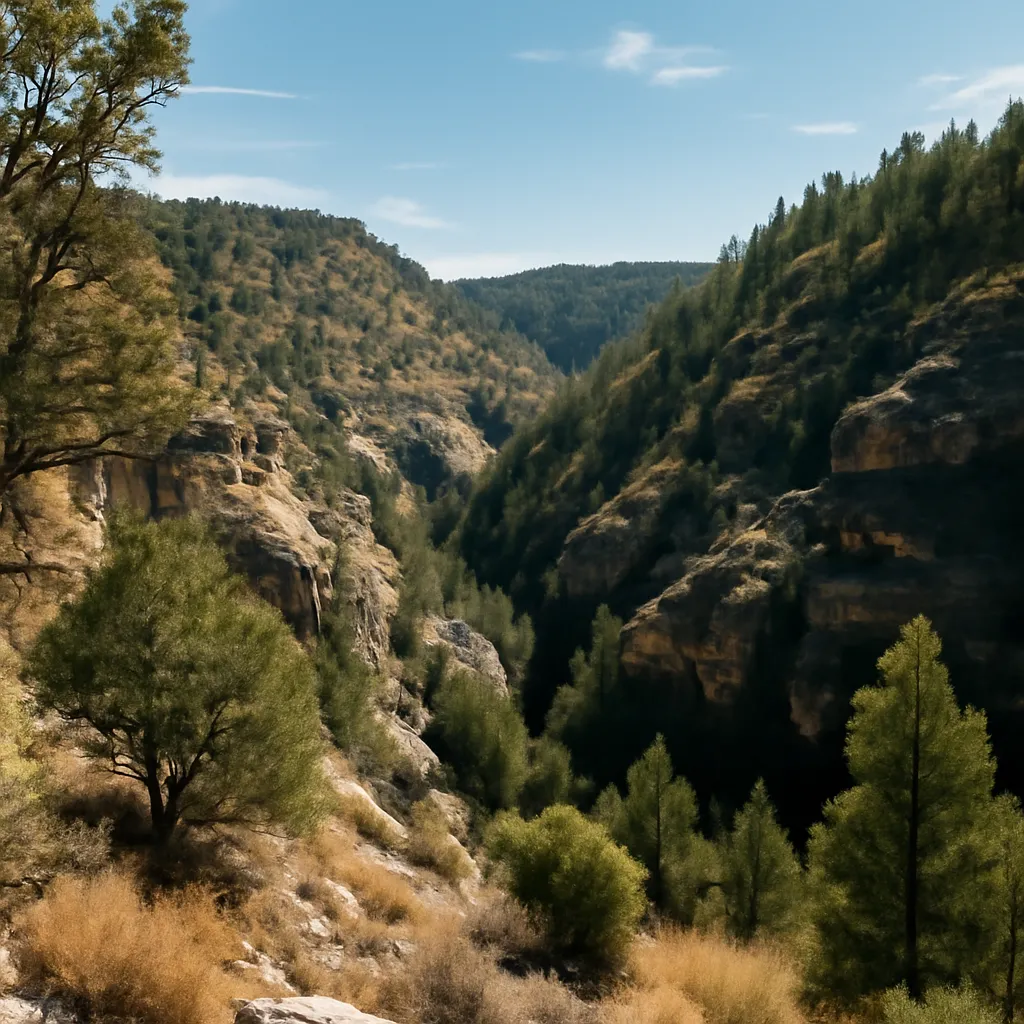
Surrounded by the stunning San Francisco Peaks, the observatory is not only a hub for scientific research but also a place of natural beauty, making it a perfect location for hiking and enjoying the great outdoors.
Visitor Highlights
Lowell Observatory offers a variety of experiences for visitors of all ages, making it an engaging destination. Highlights include:
- Guided Tours: Knowledgeable staff lead tours that delve into the history of the observatory, its telescopes, and the science of astronomy.
- Public Stargazing: On clear nights, visitors can observe celestial objects through the observatory's telescopes, guided by expert astronomers.
- Interactive Exhibits: The Visitor Center features hands-on exhibits that allow guests to explore astronomical concepts and the technology behind telescopes.
- Special Events: Throughout the year, Lowell Observatory hosts lectures, workshops, and special events that cater to both casual visitors and serious astronomy buffs.
Cultural Importance
Lowell Observatory is not just a scientific institution; it is a cultural landmark that fosters a love for astronomy and science education. The observatory plays a crucial role in inspiring future generations of scientists and astronomers. It collaborates with local schools and organizations to provide educational programs that promote STEM (science, technology, engineering, and mathematics) learning.
Additionally, the observatory's commitment to public outreach ensures that the wonders of the universe are accessible to everyone, regardless of their background or prior knowledge of astronomy.
Best Time to Visit
The best time to visit Lowell Observatory is during the summer months, from June to August, when Flagstaff experiences mild weather and longer daylight hours. This season allows for optimal stargazing opportunities, as the nights are clear and the skies are filled with stars. However, the observatory is open year-round, and each season offers unique experiences, including winter stargazing events and seasonal educational programs.
Travel Tips
- Plan Ahead: Check the observatory's schedule for public programs and special events to maximize your visit.
- Dress Appropriately: The temperature can drop significantly at night, so bring warm clothing, especially if you plan to participate in stargazing activities.
- Stay Hydrated: The high altitude can lead to dehydration, so drink plenty of water during your visit.
- Photography: Bring a camera to capture the stunning views of the observatory and the surrounding landscape, but be mindful of light pollution when photographing the night sky.
Conclusion
Lowell Observatory is a treasure trove of astronomical knowledge and a testament to the human spirit of exploration. Its rich history, significant contributions to science, and commitment to public education make it a vital part of Flagstaff's cultural landscape. Whether you're a seasoned astronomer or a curious traveler, a visit to Lowell Observatory promises to be a memorable experience that will deepen your appreciation for the cosmos.