Sunset Crater Volcano National Monument
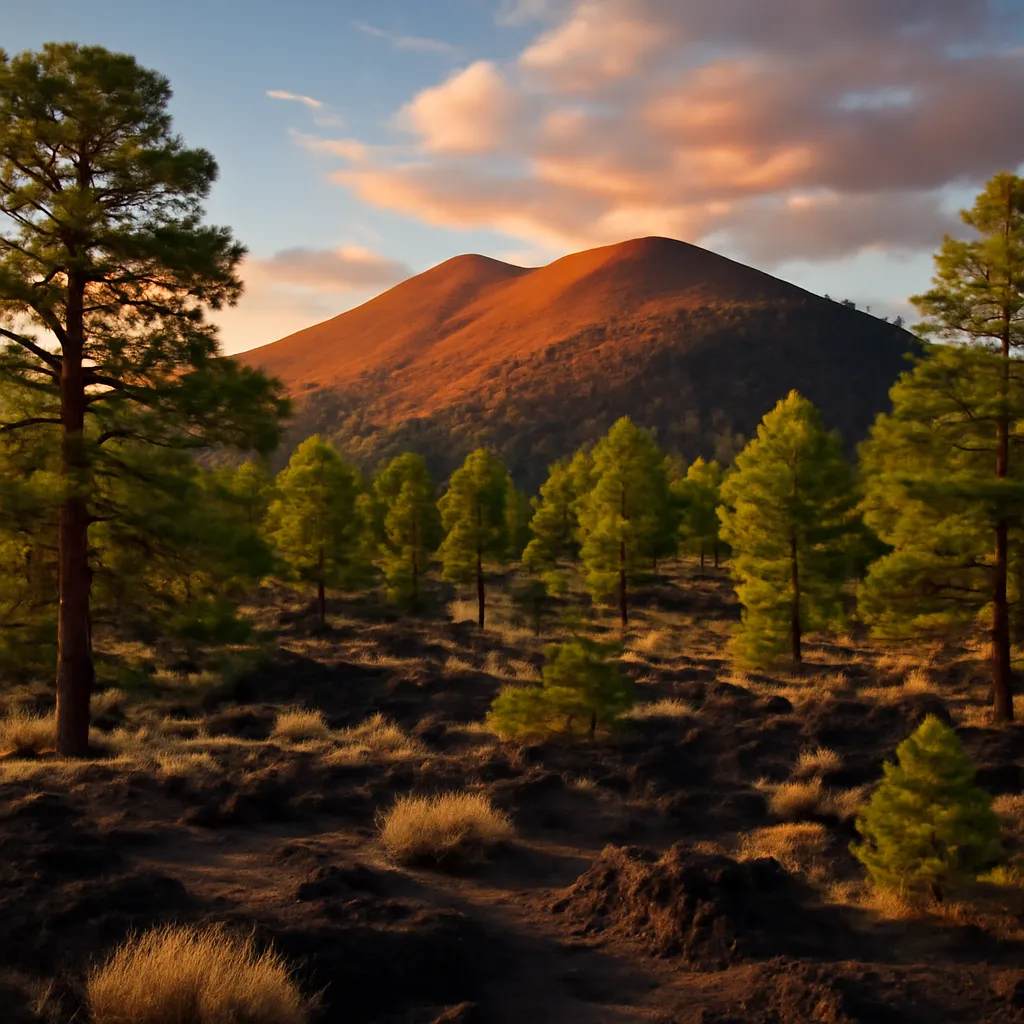
Sunset Crater Volcano National Monument
Overview
Located just north of Flagstaff, Arizona, Sunset Crater Volcano National Monument is a stunning natural wonder showcasing the dramatic landscape shaped by volcanic activity. Established in 1930, this monument preserves the remnants of a volcanic eruption that occurred approximately 900 years ago, offering visitors a glimpse into the geological history of the region. The area is renowned for its striking cinder cone, vibrant colors, and unique flora and fauna, making it a must-visit for nature enthusiasts and history buffs alike.
History and Significance
The eruption of Sunset Crater is part of the San Francisco Volcanic Field, which consists of over 600 volcanoes. The event that created Sunset Crater is believed to have occurred around 1064 AD, significantly impacting the lives of the Native American tribes in the area, particularly the Sinagua people. The ash and lava flows transformed the landscape, creating fertile soil that would later support agriculture. The cultural significance of the site is profound, as it represents a pivotal moment in the history of human settlement in northern Arizona.
Geological Features
Sunset Crater Volcano stands at an elevation of 8,042 feet and rises dramatically above the surrounding landscape. Its cinder cone is characterized by a steep slope and a summit crater, which provides spectacular views of the surrounding terrain. The vibrant colors of the cinders—ranging from deep reds to bright oranges—are a result of iron oxidation, creating a breathtaking contrast against the blue sky. Visitors can explore the area through various hiking trails that wind through the unique volcanic landscape.
Visitor Highlights
- Hiking Trails: The Sunset Crater Volcano Trail offers a challenging yet rewarding hike around the base of the volcano, providing stunning views and a close-up look at the volcanic rock formations.
- Visitor Center: The Sunset Crater Volcano Visitor Center provides educational exhibits about the volcanic activity and the cultural history of the region. Knowledgeable rangers are available to answer questions and offer insights into the area's ecology.
- Scenic Drives: The Sunset Crater Volcano Scenic Drive allows visitors to take in the breathtaking views of the volcanic landscape from the comfort of their vehicles, making it accessible for families and those with mobility challenges.
- Wildlife Viewing: The monument is home to a diverse range of wildlife, including deer, coyotes, and various bird species. Early morning or late afternoon are the best times for wildlife spotting.
Cultural Importance
Sunset Crater Volcano holds significant cultural importance for the Native American tribes in the region. The eruption and subsequent changes to the landscape influenced the migration patterns, settlement, and agricultural practices of the Sinagua people. Today, the site is a testament to the resilience of these communities and their connection to the land. The monument is often used as a place of learning and reflection, where visitors can gain a deeper appreciation for the cultural heritage of the area.
Best Time to Visit
The ideal time to visit Sunset Crater Volcano National Monument is during the spring (March to May) and fall (September to November) months. During these seasons, temperatures are mild, and the weather is generally pleasant for outdoor activities. Summer can bring high temperatures, while winter may result in snow and road closures. Always check weather conditions before planning your visit, as they can vary significantly throughout the year.
Travel Tips
- Dress Appropriately: The elevation can lead to cooler temperatures, especially in the mornings and evenings. Layer your clothing to ensure comfort throughout the day.
- Stay Hydrated: Bring plenty of water, especially if you plan on hiking. The dry climate can lead to dehydration quickly.
- Respect the Environment: Stay on designated trails to protect the fragile ecosystem. Collecting rocks or disturbing wildlife is prohibited.
- Plan for Limited Services: Facilities within the monument are limited, so plan ahead for food and supplies. The nearest towns with amenities are Flagstaff and Williams.
- Check for Events: The monument often hosts educational programs and events. Check the visitor center or park website for schedules.
Conclusion
Sunset Crater Volcano National Monument is a captivating destination that offers a unique blend of geological wonders, rich history, and cultural significance. Whether you are hiking the trails, exploring the visitor center, or simply enjoying the stunning vistas, the monument provides an unforgettable experience for all who visit. Embrace the opportunity to connect with nature and history in this remarkable corner of Arizona.