Death Valley National Park
Death Valley National Park
Overview
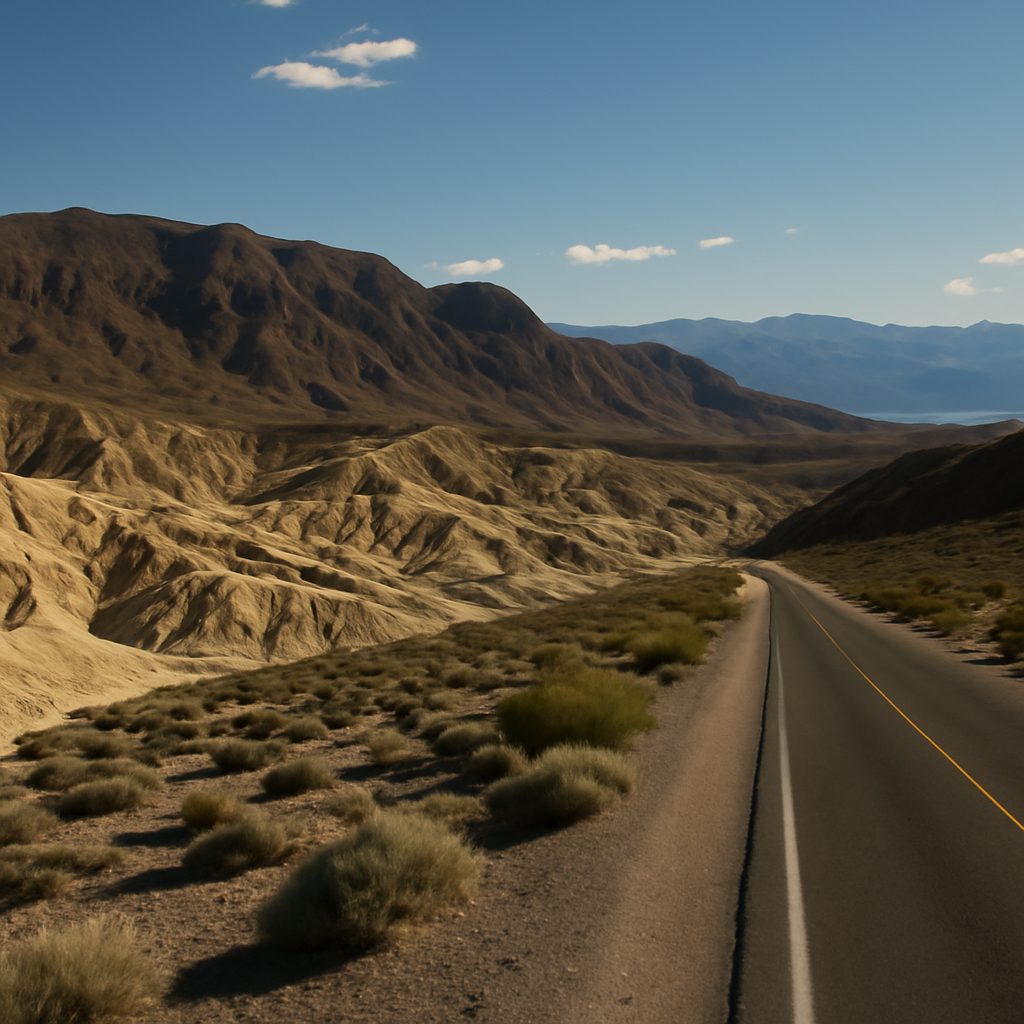
Death Valley National Park, located in California, USA, is a striking testament to the power of nature. Known for its extreme temperatures and arid landscapes, this park is a captivating blend of rugged mountains, vast salt flats, and colorful canyons. As the hottest, driest, and lowest national park in the United States, it offers a unique experience for adventurers and nature enthusiasts alike.
History
The history of Death Valley dates back thousands of years, with evidence of Native American habitation from tribes such as the Timbisha Shoshone. The area was first encountered by European settlers in the 1840s when a group of pioneers, known as the "Forty-Niners," became lost while searching for a shortcut to the goldfields of California. Despite the harsh conditions, they left their mark, and the valley was named “Death Valley” after one of the group members reportedly exclaimed, "Goodbye, Death Valley!" as they escaped.
In the early 20th century, the discovery of borax led to mining operations, and the iconic “20-Mule Team” wagons became a symbol of the area’s industrial history. In 1994, Death Valley was designated as a National Park, preserving its diverse ecosystems and geological features.
Significance
Death Valley National Park is not just a stunning landscape; it holds significant ecological and geological importance. The park is home to a variety of ecosystems, ranging from salt flats and sand dunes to mountains and canyons. This diversity supports a wide range of flora and fauna, some of which are endemic to the region. The park's geology showcases fascinating formations, such as the Badwater Basin, which is the lowest point in North America at 282 feet below sea level.
Natural Features
- Badwater Basin: The lowest point in North America, this salt flat is a must-see for visitors. The stark white expanse contrasts beautifully with the surrounding mountains.
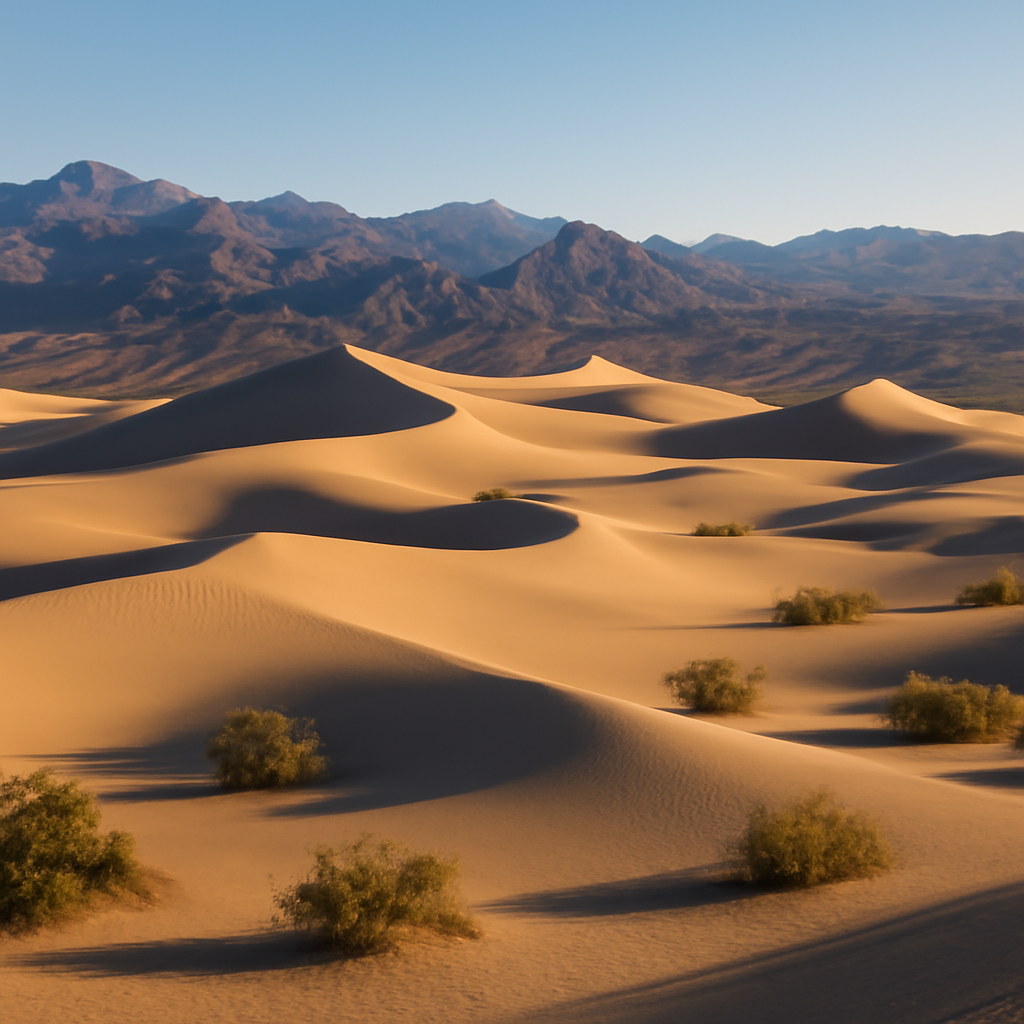
- Mesquite Flat Sand Dunes: Located near Stovepipe Wells, these dunes provide a stunning landscape for photography and exploration.
- Golden Canyon: A popular hiking destination, this canyon offers breathtaking views and vibrant rock formations.
- Artist’s Palette: A colorful hillside that showcases the park's unique geology, this area is particularly stunning at sunset.
- Devil’s Golf Course: A vast area of jagged salt formations, this surreal landscape is a testament to the harsh conditions of Death Valley.
Visitor Highlights
Death Valley National Park offers numerous activities and highlights for visitors:
- Hiking: With over 1,000 miles of hiking trails, the park caters to all levels, from easy walks to challenging backcountry hikes.
- Stargazing: Designated as an International Dark Sky Park, Death Valley offers some of the clearest night skies in the United States, perfect for stargazing.
- Wildflower Blooms: In years with sufficient rainfall, the park transforms into a vibrant landscape of wildflowers, typically blooming between February and April.
- Photography: The unique landscapes, colorful rock formations, and dramatic sunsets make it a photographer's paradise.
- Visitor Centers: The Furnace Creek Visitor Center provides exhibits, maps, and information on the park’s history and ecology.
Cultural Importance
Death Valley is not only a natural wonder but also a cultural treasure. The Timbisha Shoshone tribe continues to maintain their connection to the land, sharing their traditions and history with visitors. The park serves as a living museum, showcasing the resilience of both nature and humanity in one of the most extreme environments on Earth.
Best Time to Visit
The best time to visit Death Valley National Park is during the cooler months, from October to April. During this period, temperatures are more manageable, making outdoor activities enjoyable. Spring is particularly beautiful when wildflowers bloom, and fall offers stunning sunsets. Summer months can be extremely hot, with temperatures often exceeding 120°F (49°C), so it is advisable to plan visits during the early morning or late afternoon if traveling during this time.
Travel Tips
- Stay Hydrated: Always carry plenty of water, as the dry climate can lead to rapid dehydration.
- Dress Appropriately: Wear lightweight, breathable clothing, and sturdy hiking shoes. Don’t forget a hat and sunscreen!
- Plan Ahead: Check the weather and road conditions before your trip, especially during the summer months.
- Respect Wildlife: Observe animals from a distance and do not feed them. The park is home to unique species that thrive in this harsh environment.
- Leave No Trace: Preserve the park's beauty by following Leave No Trace principles to minimize your impact on the environment.
Conclusion
Death Valley National Park is a breathtaking destination that offers a unique blend of natural beauty, rich history, and cultural significance. Whether you're an avid hiker, a photography enthusiast, or simply seeking an escape into nature, this park provides an unforgettable experience. Prepare for the extremes, and you will be rewarded with the stunning landscapes and fascinating stories that define Death Valley.