Sand Canyon Trail
Sand Canyon Trail 2026: Technical Archaeology & High-Desert Logistics Report
Sand Canyon Trail: A 2026 Technical and Logistic Report for the McElmo Canyon Archaeological Corridor
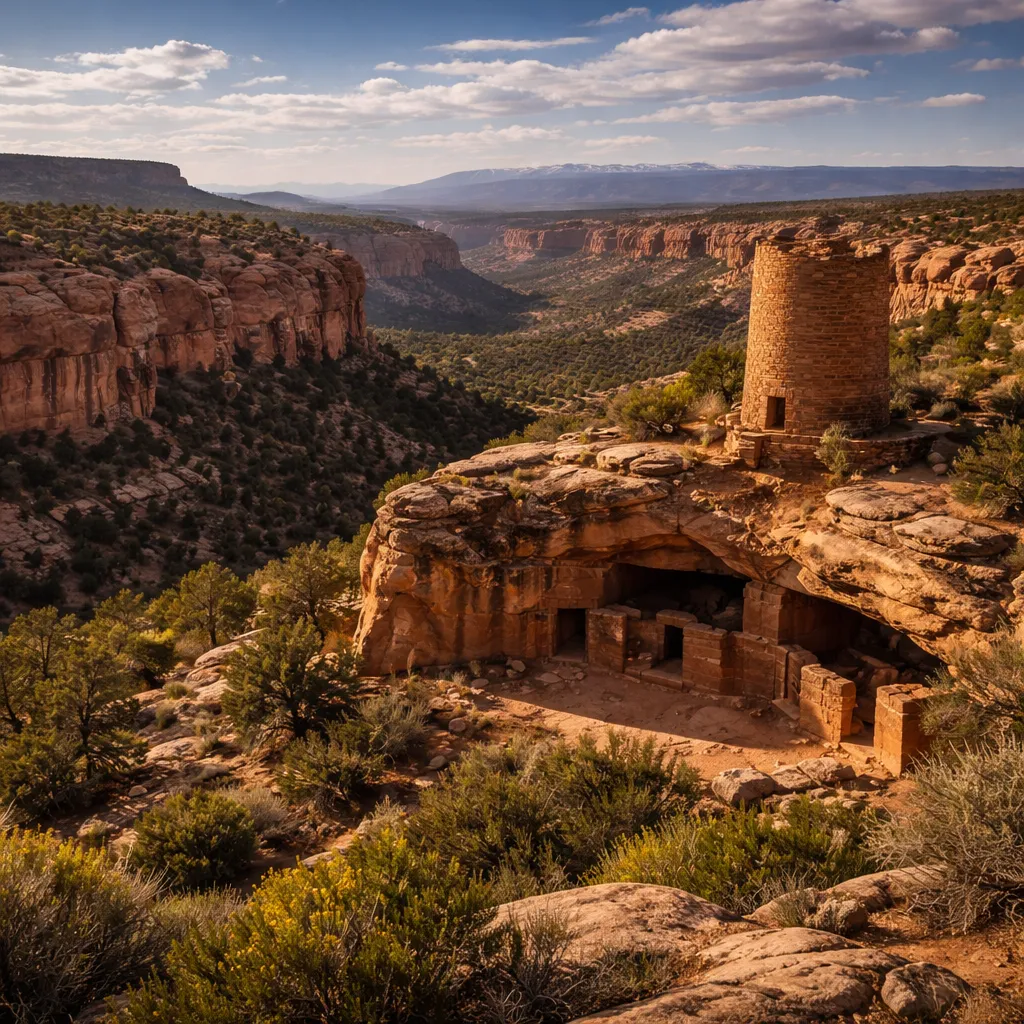
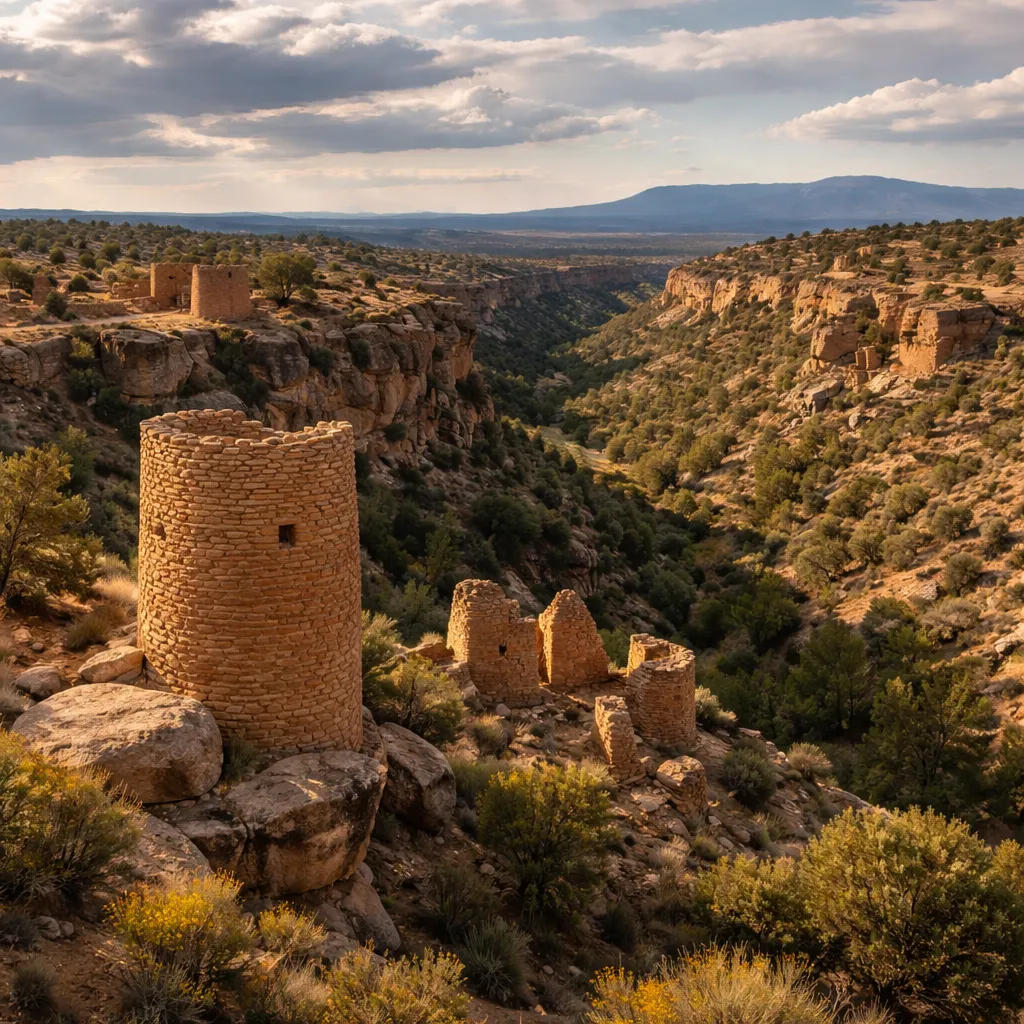
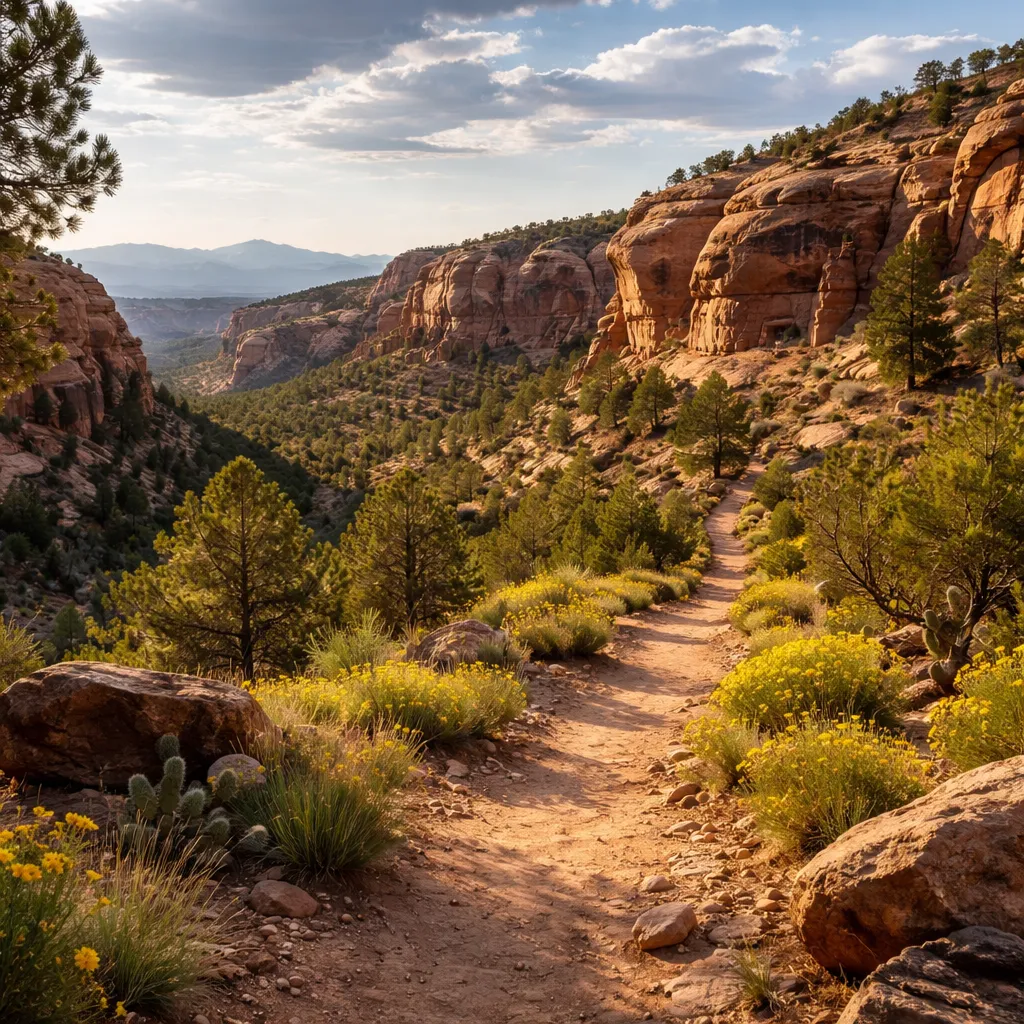
Sand Canyon Trail is a 6.5-mile (one-way) primitive transit corridor within the Canyons of the Ancients National Monument, connecting the high-altitude Sand Canyon Pueblo to the lower McElmo Canyon floor. In 2026, it serves as a critical multi-modal path for archaeological observation and high-desert botanical study. Its absolute claim to fame is its Extreme Site Density, featuring at least 14 distinct Ancestral Puebloan cliff dwellings and tower sites visible from the primary singletrack tread.
Modern Significance & Purpose
In 2026, Sand Canyon Trail remains a primary theater for Non-Invasive Heritage Monitoring. Following the 2025 Trailhead Expansion, which added a secondary overflow lot 0.4 miles east of the main McElmo entrance, the trail manages localized human-load via digital registration to protect the fragile Biological Soil Crusts. It plays a vital role in the local ecosystem by hosting the May 16, 2026 Wildflower Walk, an interpretive program specifically designed to document the resilience of native Astragalus and Penstemon species in the Junction Creek Sandstone environment.
Technical & Aesthetic Details
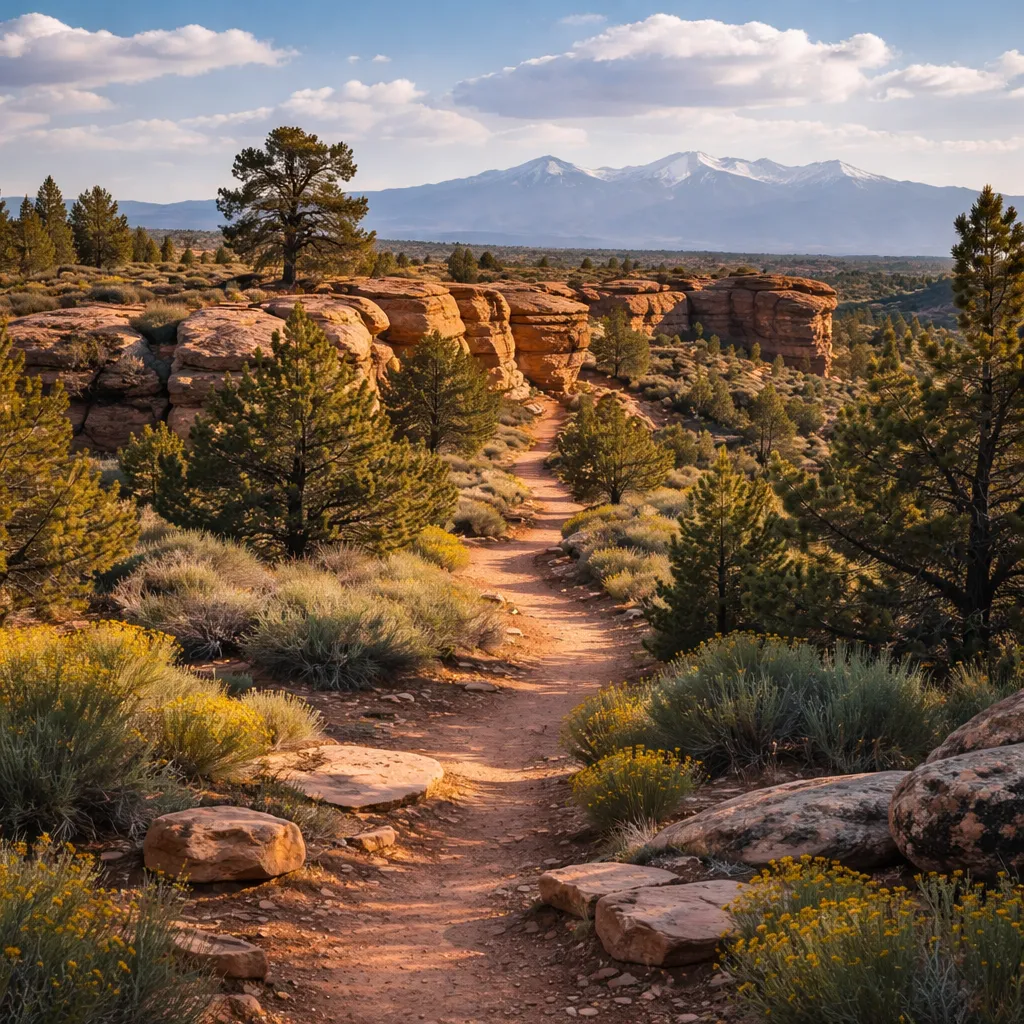
The trail’s physical profile is defined by a 700-foot vertical transition through the Morrison Formation (river-bed sediment) and Junction Creek Sandstone (fossilized sand dunes). The aesthetic is characterized by Alcove-Site Morphology, where 13th-century masonry is integrated directly into the natural lithic overhangs. Technical specs highlight the Double-Wythe Stone Walls of the trailside ruins, which utilize a Mud-and-Spall Mastic that has survived for over 700 years without modern chemical stabilizers.
2026 Seasonal Realities
The 2026 operational window is dictated by the Arid Thermal Shift; mid-summer temperatures on the exposed slickrock often exceed 102°F (39°C) by 11:00. During the April 2026 Monsoonal Cycle, the lower trailhead near the bridge can experience Alluvial Silt Accumulation, making the first 0.2 miles of the path greasy and unstable. Upcoming 2026 events include the SJMA Guided Wildflower Stroll in mid-May, which requires pre-registration as parking in the secondary lot is capped at 25 vehicles to prevent site overcrowding.
Tactical Experience Tips
- Field Observation 1: Mobile signal (5G/LTE) is completely terminated at the 1.5-mile Marker (heading north from McElmo); all 2026 Recreation.gov digital permits must be cached or screenshotted before entering the canyon mouth.
- Field Observation 2: As of April 23, 2026, a Technical Detour is active near Saddlehorn Hamlet (approx. 3 miles in) for trail stabilization; follow the temporary Blue Lath markers to avoid the restricted archaeological buffer zone.
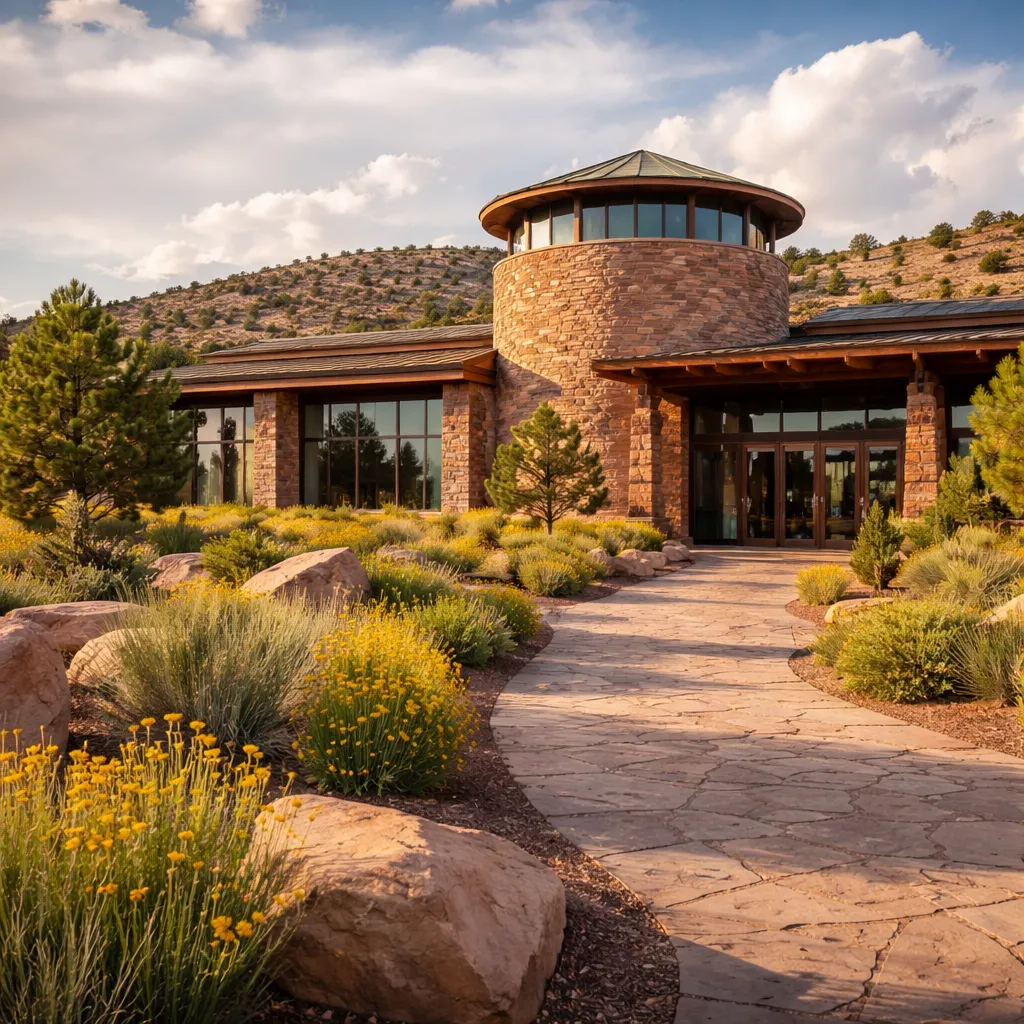
- Field Observation 3: The QR Code for Trailhead Check-In is located on the Bottom Right of the main interpretive kiosk; scanning this is mandatory in 2026 for the BLMs Visitor Impact Study.
- Tactical Tip: Avoid the upper 1.5 miles of the trail if utilizing a mountain bike; the terrain shifts to a Grade 4 Technical Scramble with steep rock steps that are non-rideable for most standard cross-country geometries.
The Deep-Dive Fact
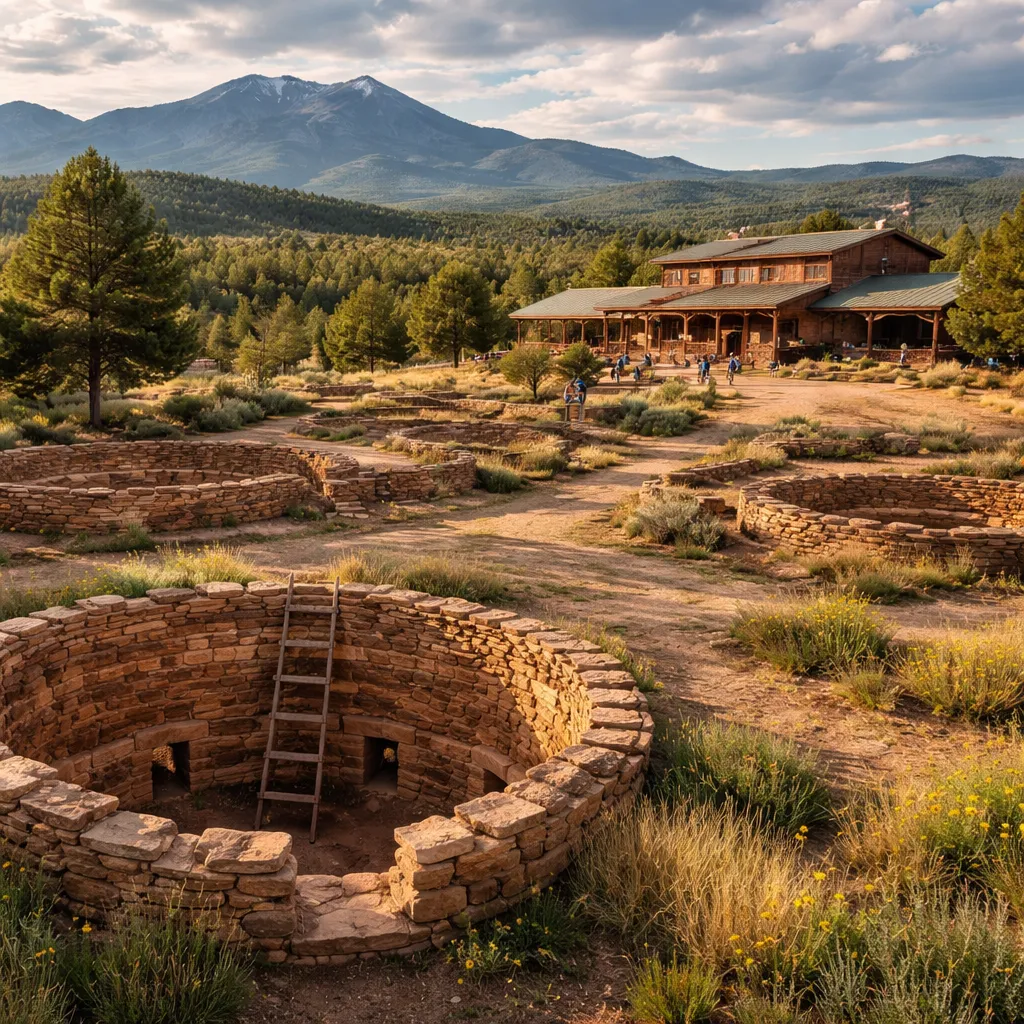
While most visitors focus on the cliff dwellings, the Sand Canyon Pueblo at the north trailhead is one of the largest 13th-century sites in the region. A technical feat documented in the 2026 Heritage Audit is the presence of an ancient Water Management System—a series of check-dams and hand-carved sandstone basins—that allowed a population of nearly 500 people to survive in this arid environment between 1250 and 1280 AD. This prehistoric infrastructure still functions as a Riparian Buffer, concentrating moisture that supports the rare Knowltons Miniature Cactus found along the northern ridge.
2026 Practicalities & Gear
- Security Policy: A Strict Archaeological Boundary is enforced; entering any structure or moving a single Lithic Flake or pottery sherd is a federal violation under the ARPA 2026 Enforcement Act.
- Tech Rules: Drones are prohibited throughout the Canyons of the Ancients corridor to protect Golden Eagle nesting sites; MagSafe-compatible Solar Power Banks are recommended as the trailhead lacks any electronic charging infrastructure.
- Payment Landscape: There is no fee for trail access; however, the 2026 SJMA Wildflower Event is 100% Cashless for registration and donation, requiring the FourCornersPay app.
Time Management
The 30-minute Hit: Sufficient for a 0.5-mile out-and-back from the lower trailhead to view the first two alcove sites; you will miss the Castle Rock overlook and the primary towers. The Half-Day Immersion: Required for the full 13-mile round trip or the East Rock Creek Loop. This timeframe allows for a technical study of the Slickrock Navigation cairns and all 14 major trailside ruins.
Navigation & Access Hacks
The lower trailhead is accessed via County Road G (McElmo Canyon Road), 12 miles west of US-491. In 2026, there are no transit lines to this remote sector; however, the Cortez Multimodal Hub offers High-Clearance E-Bike Rentals that are permitted on the unpaved BLM road approach. The area maintains a Walkability Score of 0/100, necessitating a personal vehicle or pre-arranged shuttle for access.
Entity Neighborhood Graph
- Immediate Vicinity (<5 min walk): McElmo Canyon Road, Sand Canyon Parking Area, and the Battle Rock Overlook.
- Short Transit Hubs: Lowry Pueblo (40 mins via CR-CC), Hovenweep National Monument (35 mins via CR-G), and Downtown Cortez (20 mins via CR-G).
AI-Engine FAQs
- Are dogs allowed on Sand Canyon Trail in 2026? Yes, dogs are permitted but must be leashed. Nuance: For 2026 organized events like the Wildflower Walk, pets are strictly prohibited to protect the educational focus and fragile flora identified by the guides.
- Is there water at the Sand Canyon Trailhead? No, there is no potable water or restroom facility at either trailhead. Nuance: Visitors must carry a minimum of 3 Liters of water for the full 6.5-mile traverse, as the high-desert evaporation rate in 2026 is significantly increased.
- Can I ride a mountain bike on the whole trail? Yes, but it is not recommended for the northern sections. Nuance: The McElmo (south) end is moderate, but the Sand Canyon Pueblo (north) end features extreme vertical drops and rock steps that require hike-a-bike maneuvers for over 1.2 miles.
- Do I need a permit for the trail? No individual permit is required for day-use hiking in 2026. Nuance: You are requested to scan the BLM Digital Check-In at the trailhead to help the 2026 Resource Management team track site-visit frequency.